 Videos
 Photos


Armenia: Forests on Paper; How to Waste Money
Armenia has failed the entire process of reforestation and afforestation.
The country has undertaken international obligations and continues to present imaginary figures under those commitments, yet it is unable to fulfill them.
The promised scope of forest restoration and tree planting has not been achieved. Funds from the state budget and international grant projects have been spent in vain.
Armenia’s forest cover stands at 11.2%. Under the Paris Agreement of the UN Framework Convention on Climate Change (UNFCCC), the country has pledged to increase this figure to 13%. This means that 50,000 hectares of new forest must be planted to reach that goal.
This commitment is enshrined in the Nationally Determined Contributions (NDCs) for 2021–2030.
Planting 50,000 hectares of forest by 2030, however, is only an interim target on the way to Armenia’s ultimate goal announced under the Bonn Challenge—to double the country’s forest cover by 2050.
To achieve that, it will be necessary to afforest an additional 265,000 hectares, bringing the country’s total forested area to around 600,000 hectares.
Investigating Five Years of Reforestation
Hetq examined information on forests planted in Armenia over the past five years. We visited reforestation and afforestation sites, analyzed whether they complied with planned technical approaches, forest management plans, and legal requirements, and assessed the survival rates of planted areas. We also conducted mapping and spatial analyses.
Our findings show that of the 50,000-hectare afforestation commitment, only about 2% has been achieved, and even that ineffectively. In other words, halfway through the commitment period, only about 1,000 hectares of forest plantations have been established in Armenia.
For 2025, the state plans to establish just 200 hectares of forest plantations, funded through compensation contracts and the state budget.
According to the Regulations on Reforestation and Afforestation in Armenia, a reforestation or afforestation project is considered completed only when the planted saplings are incorporated into a forest row, in accordance with the procedures established by the authorized state management body.
“As we know, saplings are incorporated into forest rows after the crowns of the trees interlock, which, according to various sources, takes 7–12 years after planting for coniferous and broadleaf species. This means that even if afforestation measures covering 49,000 hectares are implemented in autumn 2025, by 2030, even under ideal survival and growth conditions, these areas will only be five years old and will not yet be fully incorporated into forest rows,” explains forestry expert Ayser Ghazaryan.
Tree Species and Ecological Role
Branches of the Hayantar State Forest Committee have planted the main forest-forming species, including pine and oak, along with accompanying species such as maple, hornbeam, beech, and wild fruit trees, all adapted to the region’s climatic and soil conditions.
Trees act as natural air filters: in addition to producing oxygen, they remove harmful substances and greenhouse gases from the atmosphere, improving air quality.
- One tree produces enough oxygen daily for 2–4 people, depending on its age.
- One tree absorbs about 10 kg of CO₂ per year, especially during its first 20 years.
- Larger, mature trees produce even more oxygen; for example, a mature oak can produce about 100,000 liters of oxygen annually, roughly 274 liters per day, covering a significant portion of a human’s daily requirement.
- Healthy forests support biodiversity and play a key role in regulating atmospheric oxygen levels and providing clean air. Trees are also among the most effective tools in combating the global climate crisis.
Reviewing Government Data
In response to our inquiry, the Ministry of Environment provided information on afforestation and reforestation activities from 2020 to 2024. From this list, we selected areas where tree planting was carried out on a relatively large scale.
Initially, we conducted desk research to assess whether these areas complied with the Forest Code of Armenia and other legal instruments, including the Forest Management Directive, the regulations on reforestation and afforestation, and forest management plans that had undergone environmental impact assessments. We then compared and analyzed the selected areas using high-resolution satellite imagery. Forestry expert Ayser Ghazaryan assisted us in these and other technical matters.
“Unfortunately, most areas do not comply with forest management plans or their requirements. In other words, the locations were chosen arbitrarily, without professional guidance. Some of the areas where planting occurred are on community lands, not forests. I must remind that state-budgeted and international projects were intended for forest lands, but in some cases, these activities coincided with community lands,” the forestry expert notes.
Visits to Planted Areas
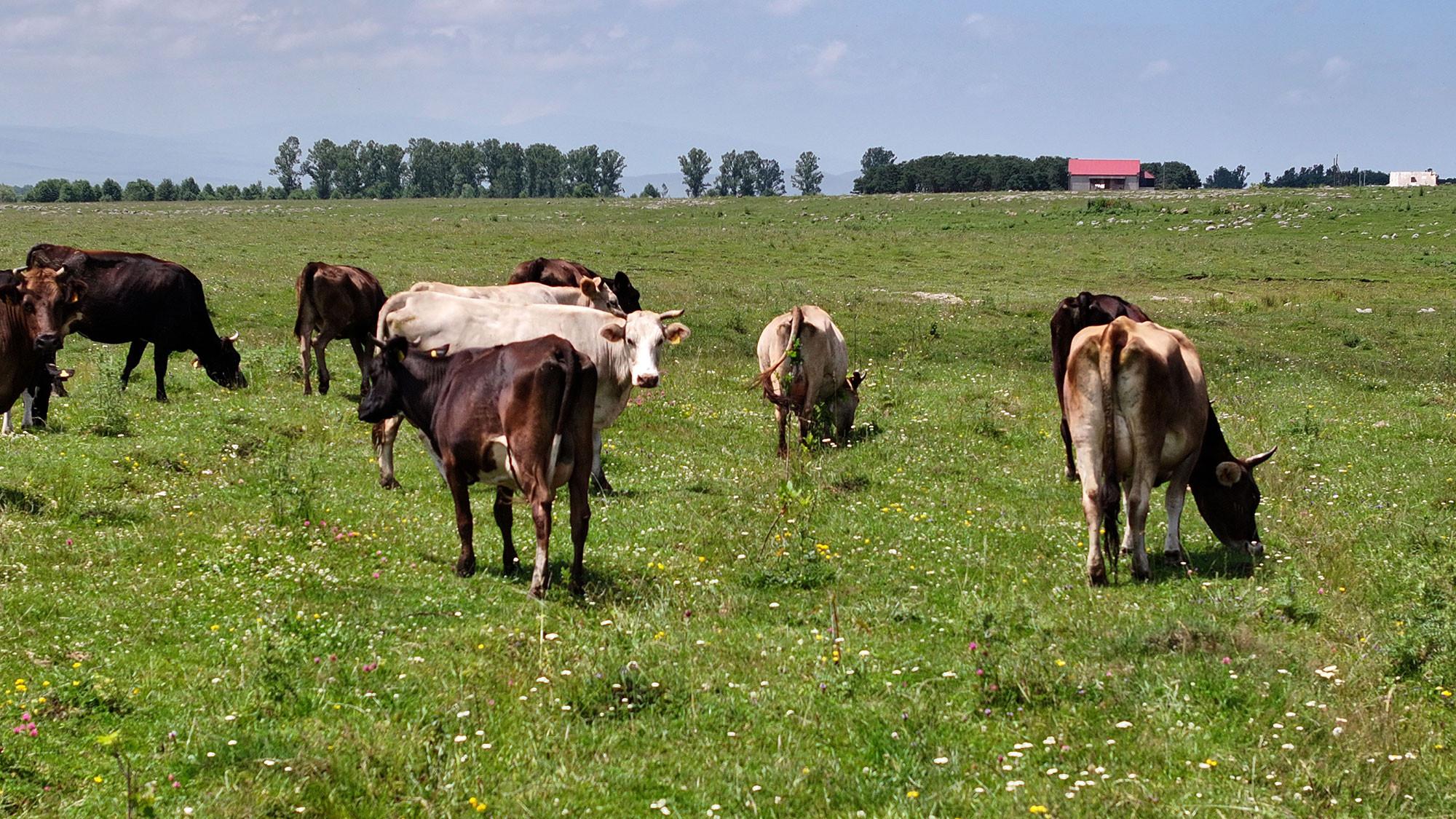
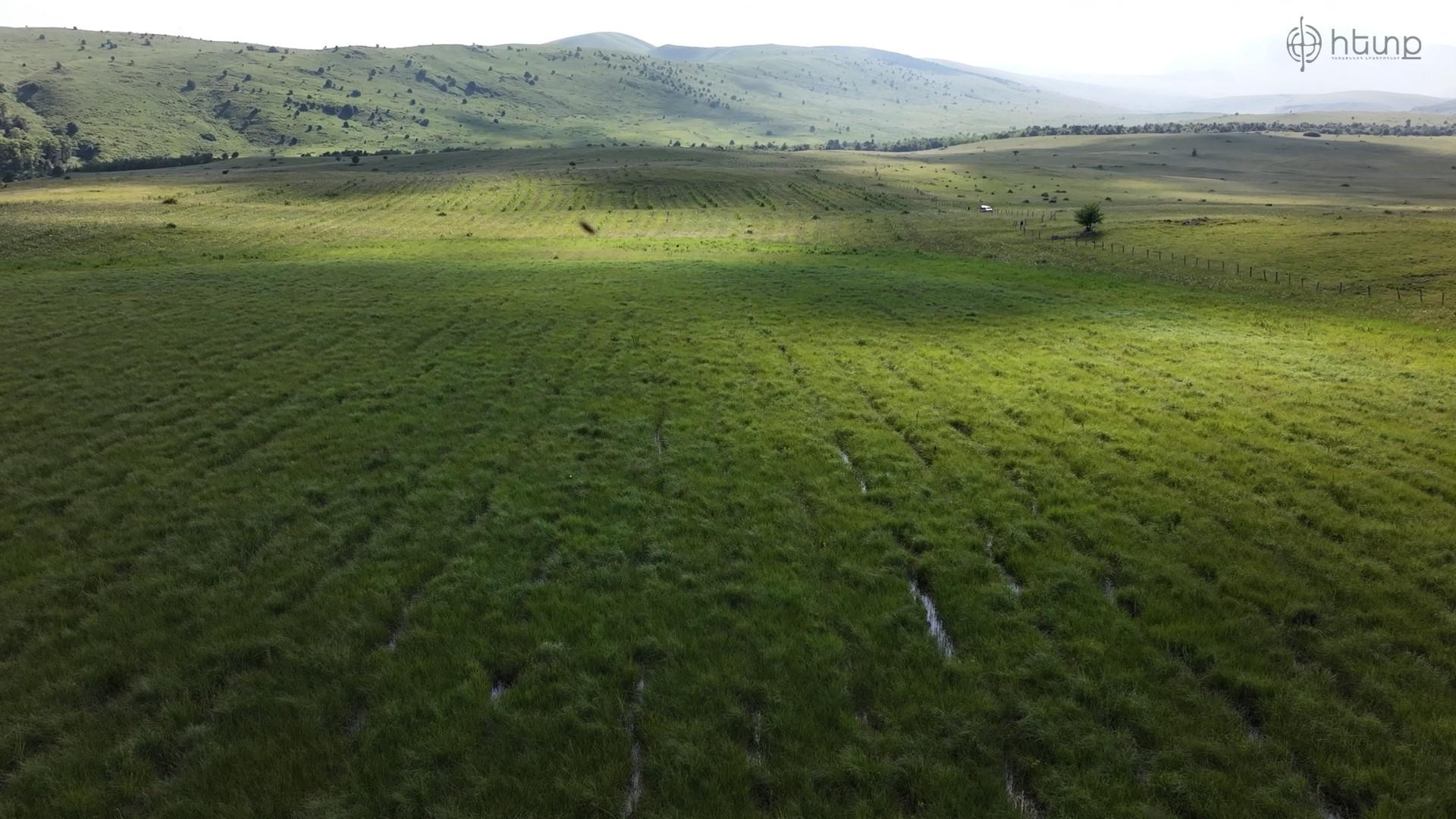
In the Metsavan forestry unit of the Tashir Forest Enterprise, two plots were planted simultaneously. In a 30-hectare area, 90,000 seedlings were planted in 2020 using trenching methods. Five years later, the area had turned into pastureland. Livestock grazed freely and fed on the seedlings. The area had previously been fenced with barbed wire, which is now collapsed and lying on the ground.
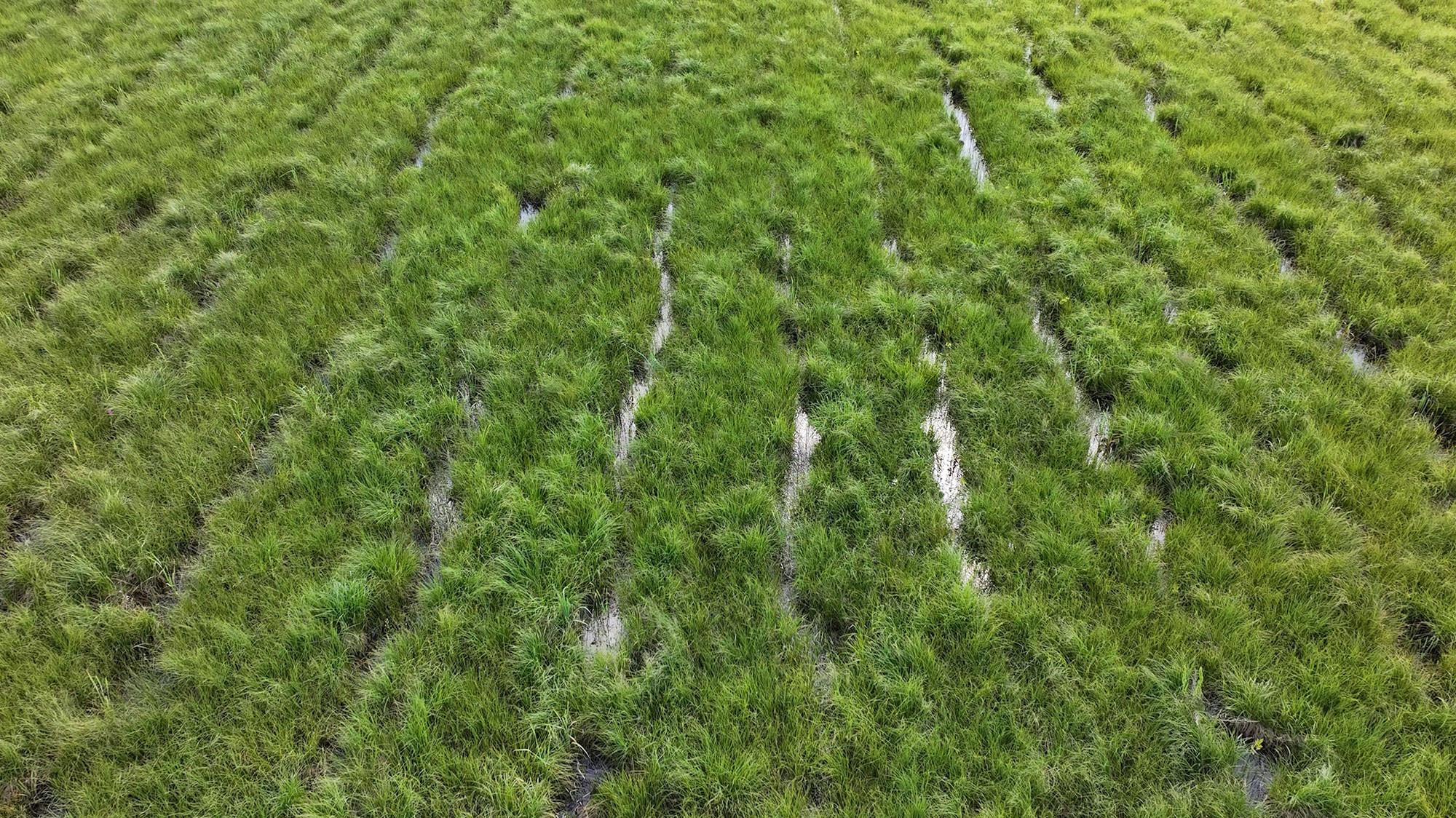
In another plot of the Metsavan forestry unit, over 60 hectares of forest were planted in 2022 under a state budget and Myler Mountain Resorts compensation agreement. This area is fenced, but two sections are marshy. It is unclear how pits were dug in the marsh and seedlings planted, but it is obvious that the seedlings could not survive in such conditions.
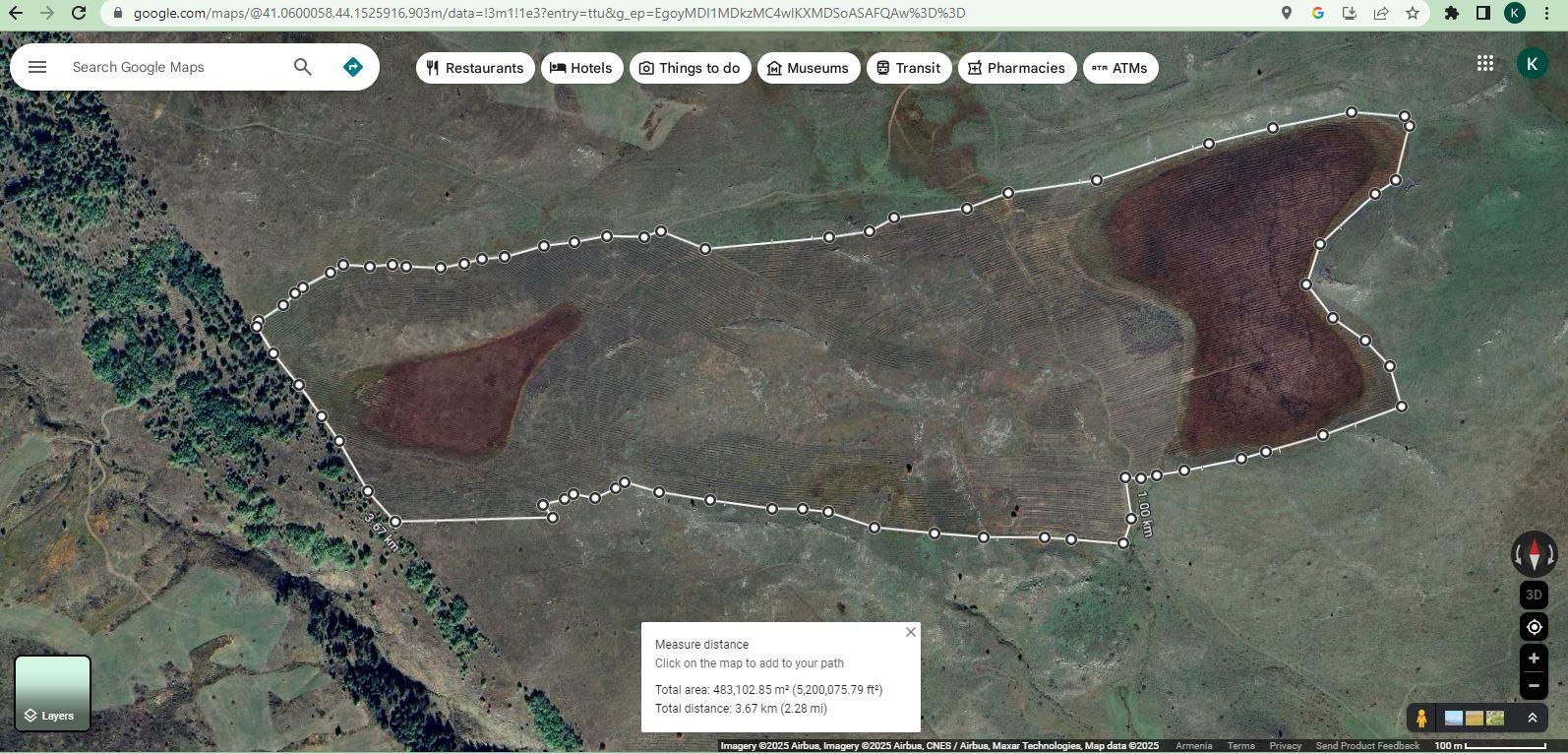
Analysis of satellite maps also shows that the total area does not exceed 50 hectares, including the marshy parts.
Use of Grants
Armenia has received and continues to receive numerous international grants to address climate change. From the Green Climate Fund (GCF) and co-financing organizations, Armenia has received about $19 million in grants.
Within this framework, the project “Enhancing Forest Resilience in Armenia through Mitigation Measures, Adaptation, and Expansion of Green Spaces in Rural Areas” started in 2021. One of its goals is to plant and maintain 7,300 hectares of forest in the northern and southern regions of Armenia, namely Lori and Syunik. The project is scheduled to end in 2029, but our research shows that so far only about 104 hectares of forest have been planted on forest lands.
In the same Tashir forestry unit, the largest planting under the GCF project so far covers 32.5 hectares. No care or mowing has been done, and the grass is so abundant and tall that it is difficult to locate the pits dug for seedlings, leaving the small saplings shaded and destroyed.
“We see seedlings or saplings smaller than international standards, whose survival or incorporation into the forest row is almost impossible from the start. In other words, time and resources have been wasted, due to the use of seedlings or seeds that are unsuitable or non-standard,” notes forestry expert Ayser Ghazaryan.
The project is coordinated by the UN Food and Agriculture Organization (FAO). Initially, the FAO Armenia office agreed to an interview with our team. However, when we asked to provide the questions in advance, the office canceled the interview and did not provide written answers. Meanwhile, FAO representatives met with Garegin Mirzoyan, acting director of Hayantar, and representatives of the Ministry of Environment’s Environmental Programs Implementation Office to discuss the project’s progress, including assessment of seedling survival, methodology evaluation, and effectiveness thresholds.
To seek clarification, we also sent written inquiries to the Green Climate Fund, specifically to Executive Director Mafalda Duarte, on August 11. A second email was sent one month later, but our inquiries remained unanswered.
During a phone call, the GCF headquarters in Korea confirmed receipt of our email and forwarded it to the public relations department. Subsequently, we received a reply from the Information Appeals Division, stating that the inquiry had been forwarded to the Information Disclosure Team, which could provide an official response.
“On behalf of the Information Appeals Commission, we confirm receipt of your message and letter. The Commission has contacted the relevant GCF Secretariat staff for review and action,” Preksha Kumar responded.
The latest report on the GCF website refers to 2023 results. It shows that the project’s performance is very low, several components were not implemented or partially implemented, and tree planting was delayed due to various reasons, including bureaucratic procedures by Hayantar in site selection.
“There are also problems with replanting. For example, in 2019, some work was carried out with state budget funds, and the new forest management plan again indicated that forest plantations should be established in these areas. Instead, it should have noted that afforestation work had already been done and follow-up work was required. There are also overlaps with other state budget funds or projects. For example, in Harkis community of Syunik forestry, similar work was done under an IFAD project, followed by state budget-funded afforestation in the same area,” said Ayser Ghazaryan.
In the Goris forestry unit, 15 hectares of forest were planted in 2024 under the GCF project. The results will be clear after a few years. Even here, the area does not reach the reported 15 hectares, according to Ministry of Environment data. Generally, the reported figures often show large discrepancies.
“Drone surveys and orthophotos show significant volumetric deviations. For example, in the 6th plot of Goris forestry unit, the GCF-FAO project reportedly planted 15 hectares, but the observed area is several times smaller. Most of the area is on community land, despite the report stating it belongs to the 6th plot of the forestry unit,” the expert observes.
10 Million Trees – Sisian
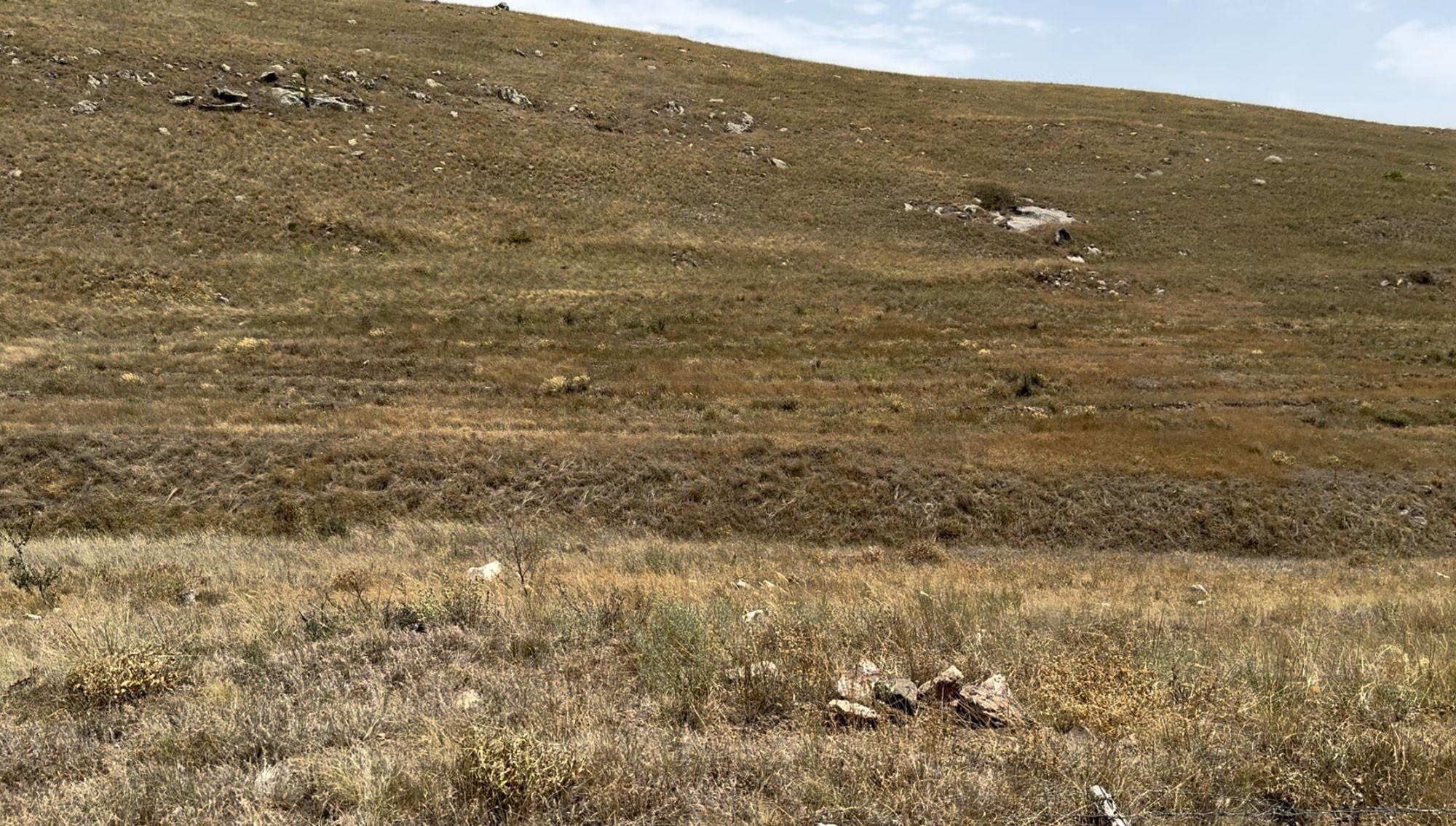
In the spring of 2020, in the area adjacent to Karahunj in Syunik region, the Shaghati forestry unit of the Sisian Forest Enterprise launched state-funded tree planting on ten hectares with much fanfare. This planting was announced as part of the Prime Minister’s “10 Million Trees” project. In 2021, additional planting work was carried out in the area. Over five years, the seedlings could have outlined a future forest. However, nothing remains, and we could barely count one or two “surviving” trees.
10 Million Trees – Byurakan
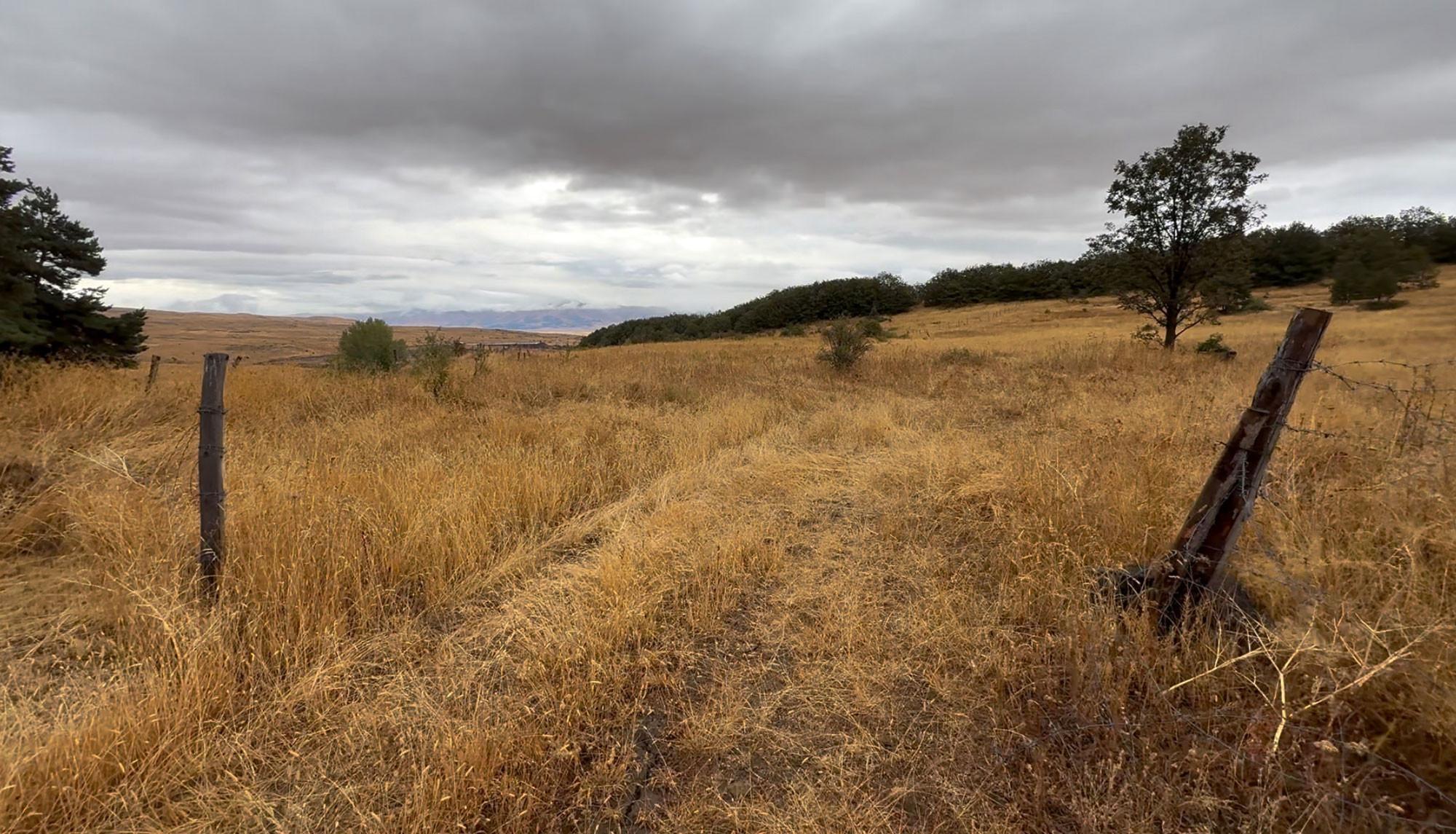
Under the “10 Million Trees” initiative in 2021, the Byurakan forestry unit in Aragatsotn region planted one hectare of forest funded by Armswissbank. While trees have grown in the area, they are mostly in poor condition, with collapsed fences and no mowing or care.
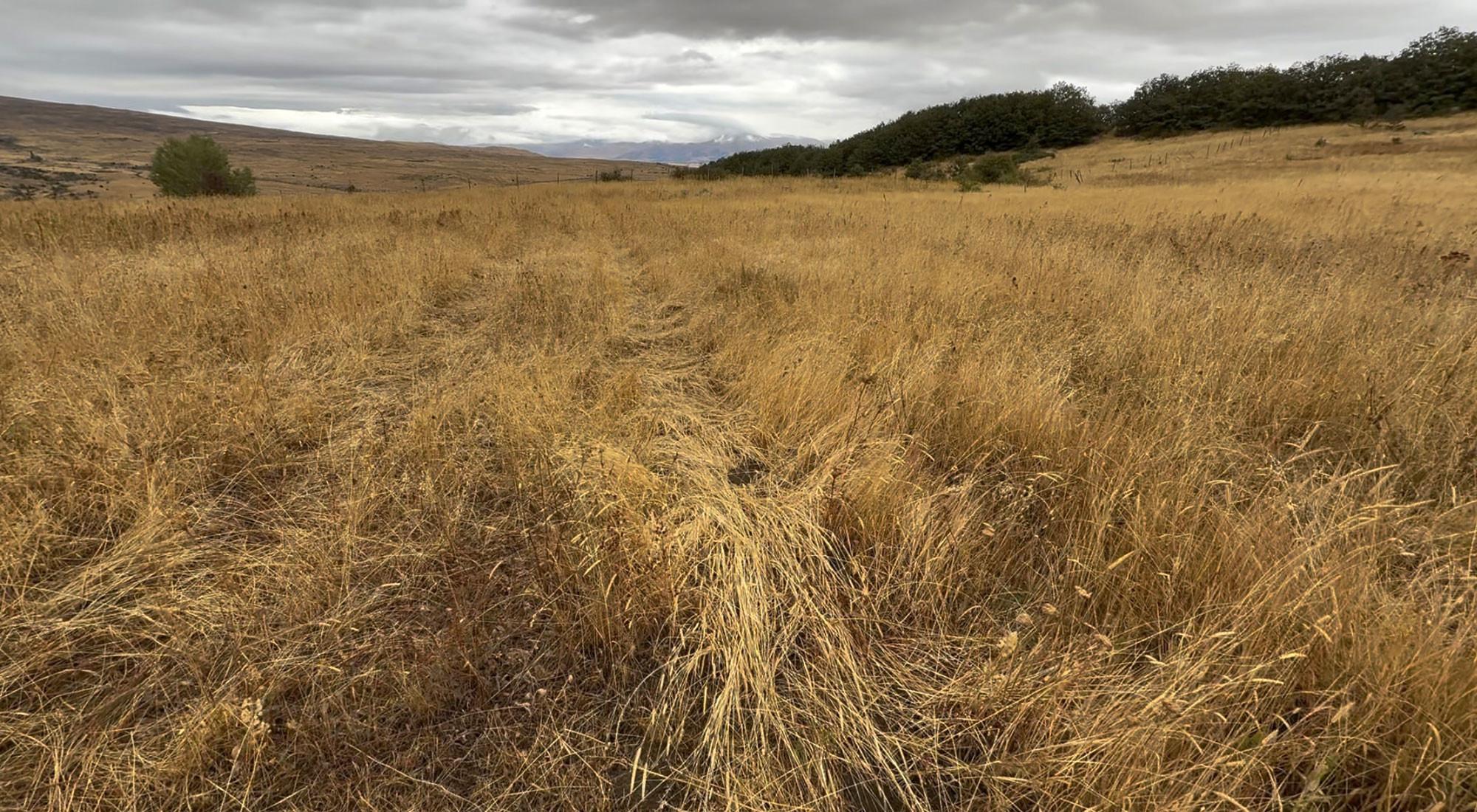
In 2022, an additional two hectares were planted in the same Byurakan unit using state budget funds. Former minister Hakob Simidyan and other officials personally participated in the planting. Yet, no forest layer formed, as there was no maintenance or irrigation, and some areas were replanted. Fences were collapsed in one section, and mowing was not performed.
Planting on Community Lands – Fate of These Forests
In Armenia, some NGOs and foundations also carry out tree planting, forming the Forest Alliance. However, their plantings are on community lands, using their own funds and navigating complex bureaucratic procedures.
Large-scale plantings have been carried out by Armenia Tree Project and My Forest Armenia, while smaller areas were planted by Wildlife and Cultural Heritage Protection and Shen charitable foundations.
Large-Scale NGO Plantings
Armenia Tree Project has planted 7,803,240 trees across Lori, Shirak, Kotayk, and Gegharkunik regions on over 1,500 hectares of community land since 2004. In spring 2025, 162 hectares were planted, and another 90 hectares are planned for autumn. From 2020 to 2025, a total of 3,168,155 seedlings and 899,107 cuttings have been planted. The average survival and incorporation rate in these areas is about 80%.
My Forest Armenia NGO has planted over 825 hectares of forest since 2020. Smaller plantings by Wildlife and Cultural Heritage Protection and Shen foundation cover 110 and 33 hectares, respectively.
Expert Assessment: Failures in State Planting
It is clear that Armenia has failed in afforestation efforts. Experts note that the sector suffers from a serious lack of capacity. Armenia is land-scarce, with unfavorable climatic conditions for forests, no properly selected seed trees, and major problems in forest nurseries, affecting both quantity and quality of seedlings. Therefore, internationally pledged forest expansion obligations are unrealistic for a country like Armenia.
“For example, in the area near the Sisian TV tower, planting has been conducted over several years but is in very poor condition, practically destroyed. This is observed in many plots,” notes Ayser Ghazaryan.
The expert suggests changing commitments and following Georgia’s model, focusing on restoration of existing forests.
“After four–five years, we see that the majority of the work has failed, and state and international funds were wasted. This needs a full review,” adds Ayser Ghazaryan.
State Spending and Survival Rates
In response to our inquiry, the Ministry of Environment did not provide the cost of planting each forest. Instead, it provided general information: over five years following planting, 2.6 billion AMD (~$6.8 million) was spent on agrotechnical maintenance, mowing, fencing, and nursery work. Of this, 2.2 billion AMD came from the state budget and 373 million AMD from other contracts.
According to the ministry, continuous maintenance ensures 60–65% survival annually. These figures are problematic and inflated, as our field research shows much lower survival and incorporation rates.
NGOs report higher survival rates (70–80%), as they perform watering, harvesting, replanting, and ongoing monitoring.
Lack of Accountability
Newly appointed Minister of Environment Hambardzum Matevosyan refused an interview regarding environmental issues and afforestation efforts, claiming he was not yet familiar with the sector. Two months later, a follow-up request regarding tree planting projects, volumes, and results was redirected to Garegin Mirzoyan, acting director of Hayantar, who ultimately did not provide the interview due to field trips.
State institutions do not properly maintain seedlings or planted areas. Planting is carried out primarily for display and formality.
Thus, the average cost to establish one hectare of forest was 2.6 million AMD, while the hundreds of hectares intended for forests remain barren, and taxpayer money and grants have been wasted.
Comments (1)
Write a comment