 Videos
 Photos


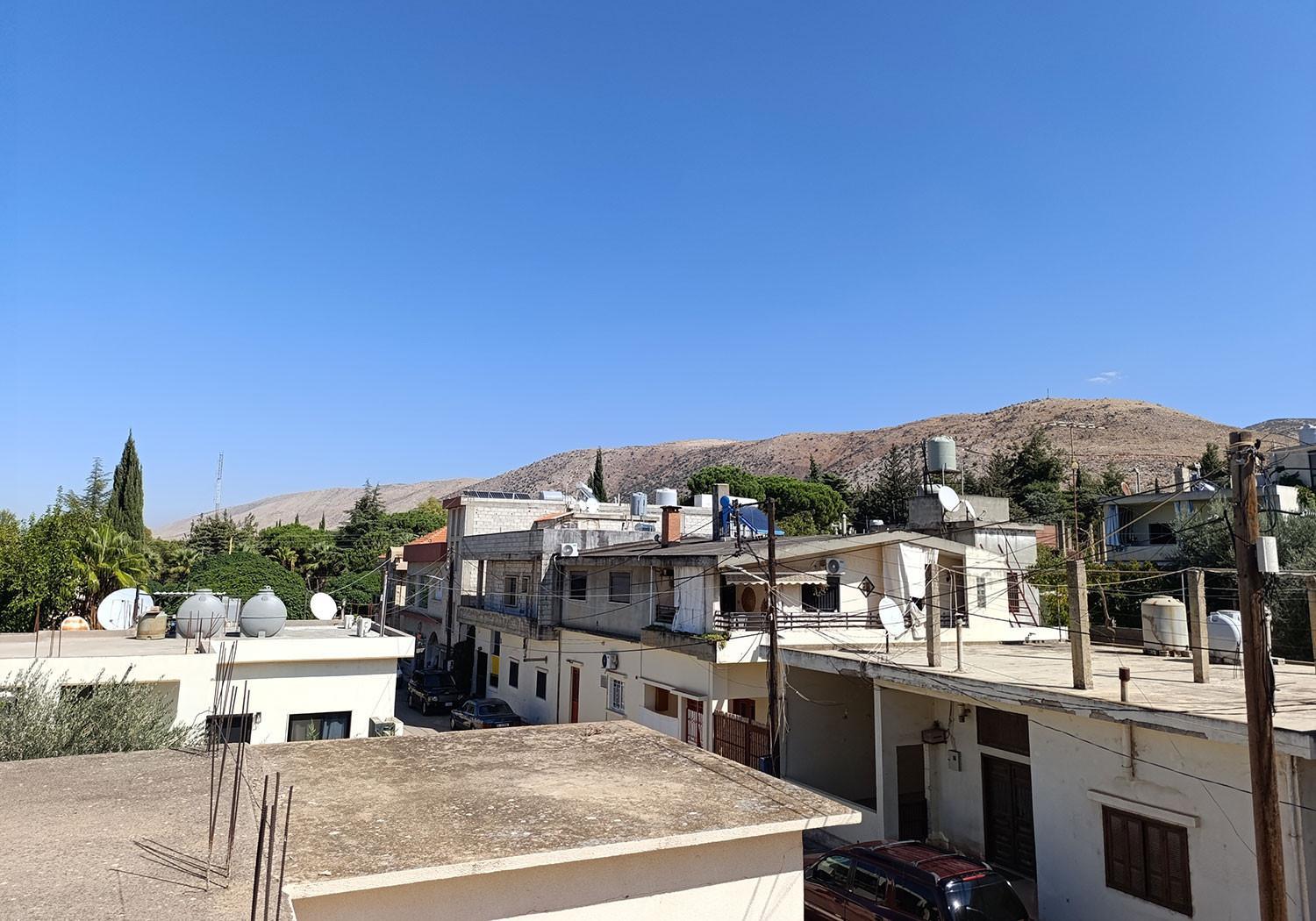
Lebanon: 100 Arab Families Seek Shelter from War in Anjar
The war in the Middle East, underway since February 28, has also reached Lebanon, which borders Israel to the north. In southern Lebanon, there are intense clashes between local and Israeli forces. Israel has also conducted airstrikes on the outskirts of the capital Beirut and the Bekaa Valley in eastern Lebanon. The main target is the infrastructure of the Lebanese Hezbollah party. This is a political force that follows Shiite Islam and historically supports Iran (Shiite Islam is the state religion of Iran).
The Armenian-populated town of Anjar is in the Bekaa Valley, where some 3,000 people live. From here to Baalbek, which is the zone of influence of Hezbollah, it is about forty kilometers as the crow flies.
In a telephone interview with Hetq yesterday, Anjar Mayor Setrag Havatian said that the Armenian settlement is currently safe. He says that since the settlement was founded in 1939, the community hall, in cooperation with various ARF bodies and organizations, has always organized events aimed at ensuring the security of the village. Currently, a headquarters has been formed, the purpose of which is to assess the needs of Anjar and provide solutions to them.
Havatian tells Hetq that the building of the school belonging to the Armenian Catholic community of Anjar (which has not operated for several years) has recently been provided as temporary housing for Arabs who have moved to Anjar from other settlements in Lebanon.
Havatian says a total of one hundred families or about five hundred people have arrived in Anjar. The wealthier families among them have settled in hotels and rented houses in Anjar. Those relocated are mostly women and children.

“Of course, fighting in the south is very intense. Jewish planes are bombing the area around Anjar, the Baalbek side, and the nearby areas and villages where Hezbollah centers or members are located. We are obliged to host people, because as Lebanese, we have a fraternal obligation,” says Havatian.
The mayor says the sound of explosions in Baalbek can also be heard in Anjar. The neighboring villages of the city of Zahlé , about 13 km from Anjar, are also affected by the airstrikes (the mentioned settlements are in the same region, the center of which is Zahlé ).
Havatian says that Israeli calls to the Lebanese to leave the settlements in southern Lebanon are increasing daily. Havatian believes this could mean that Israel aims to occupy the southern part of the neighboring country, as it did in the past (Israel occupied part of southern Lebanon from 1982 to 2000). The mayor of Anjar notes that Israel has even used phosphorus bombs in the southern regions of the country, because of which the local lands have not been amenable to cultivation for decades. The human rights organization Human Rights Watch has also spoken out about the use of white phosphorus by the Israelis.
When asked what role the UN peacekeeping forces (UNIFIL) stationed in southern Lebanon play, the mayor of Anjar responds: “It must be said that they have no influence, because their countries also seem to be more pro-Jewish. Even the peacekeeping forces have received direct or indirect (erroneous) strikes [from Israel] in some places.”
Havatian says that the situation in Lebanon has affected the prices of goods, highlighting fuel among them.
“As I said, for years, when Lebanon has gone through troubled times, the Anjar authorities have had the experience of always having a stockpile of food, fuel oil, and gasoline. There is no problem with food now, the stores have daily consumption, but the city authorities provide gasoline and fuel oil for such difficult days,” the mayor explains.
On March 10, Anjar schools belonging to the Armenian Apostolic and Evangelical communities reopened. They had been closed for more than a week for security reasons.
Havatian says that the Lebanese Minister of Education had announced that those regions that are safe and not targeted by Israel can open their schools, while maintaining security standards.
Photos by Vahe Sarukhanyan
Write a comment