 Videos
 Photos


Salvard’s Future Uncertain as Village School Faces Closure Under Merger Plan
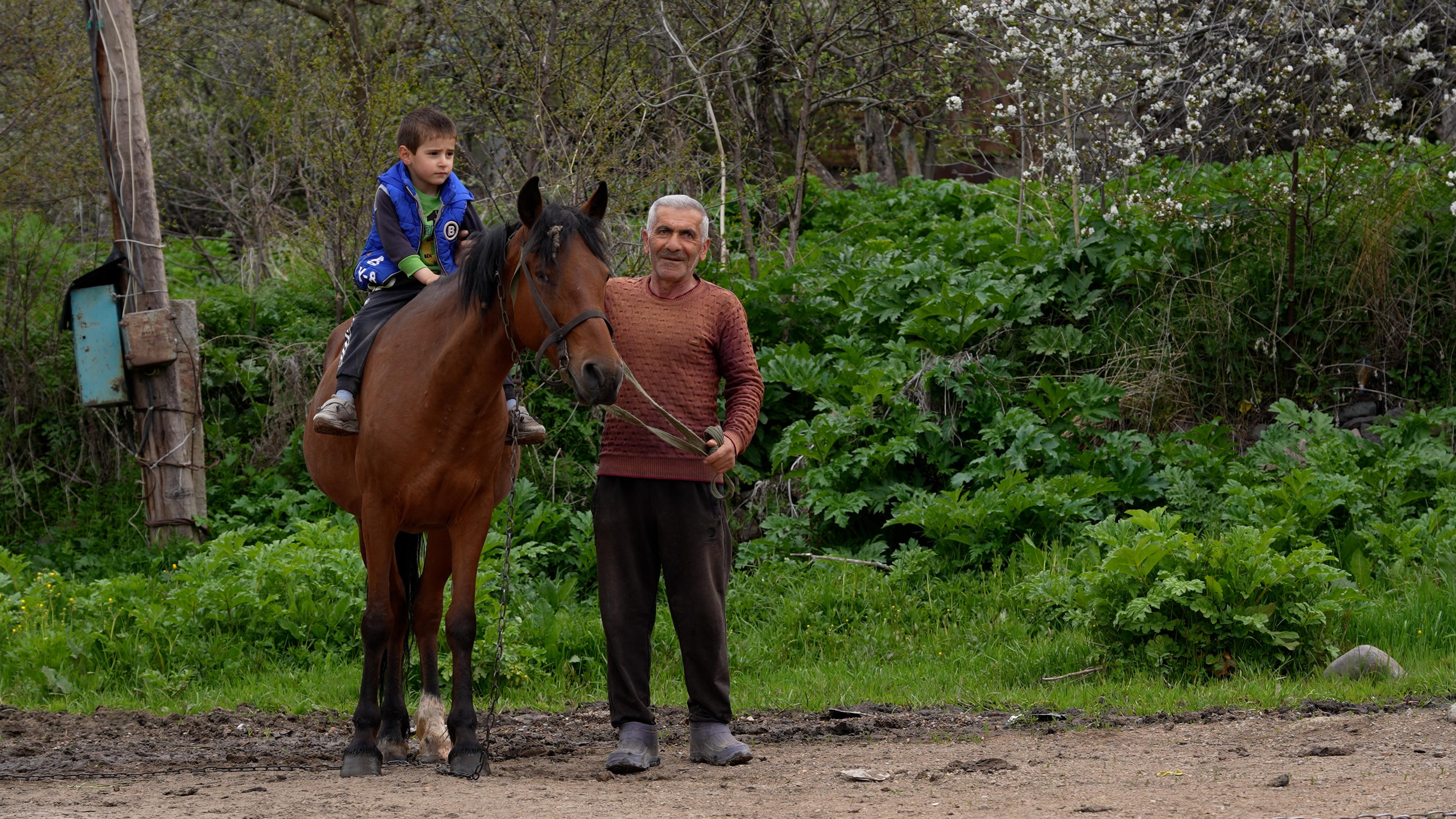
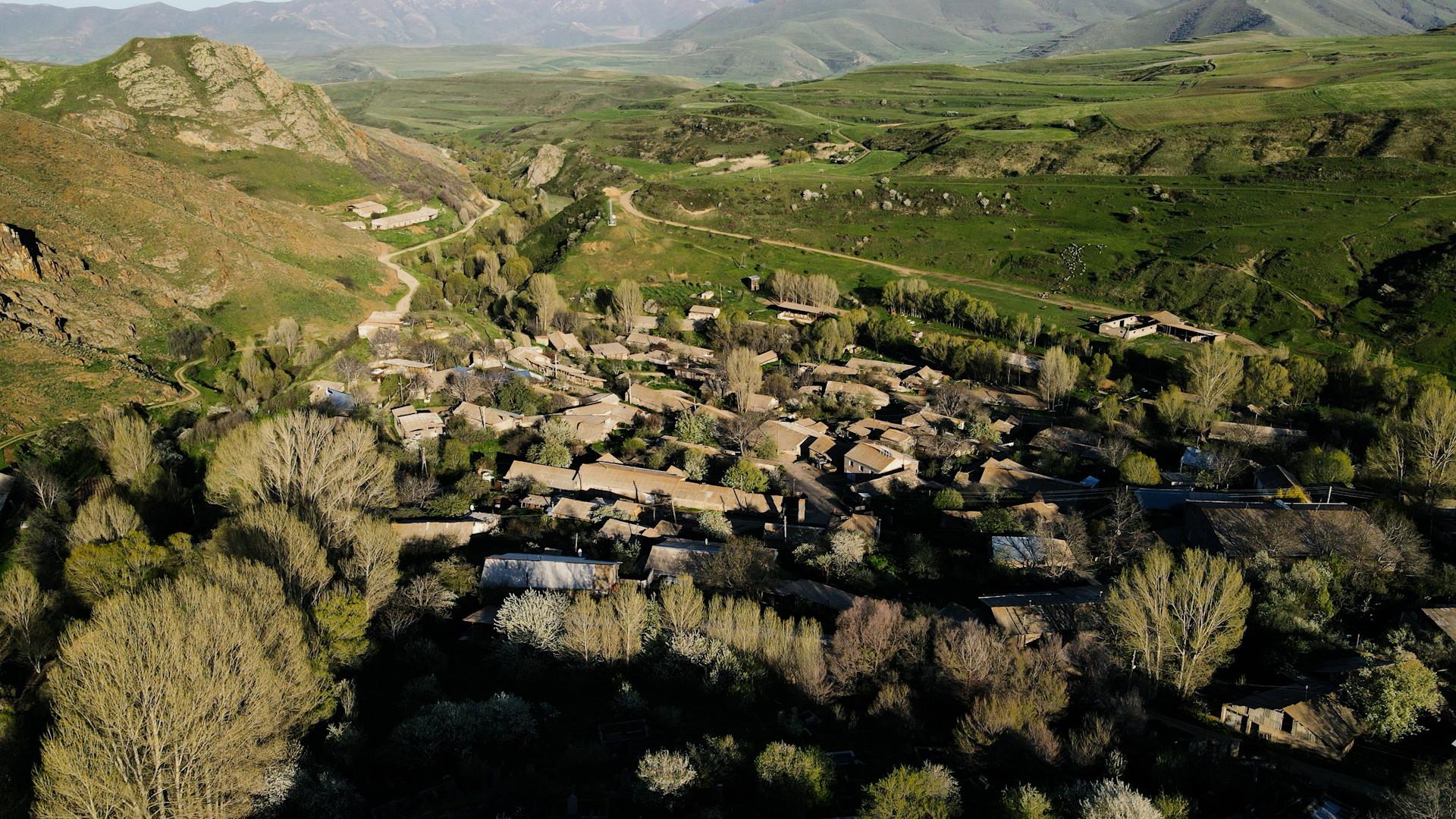
The mud on the streets of Salvard , a remote village nestled in the mountains of Armenia’s southern Syunik Province, had not yet dried after the morning rain.
We encountered few people on the road leading to the village, just some horses grazing in the neighboring meadows.
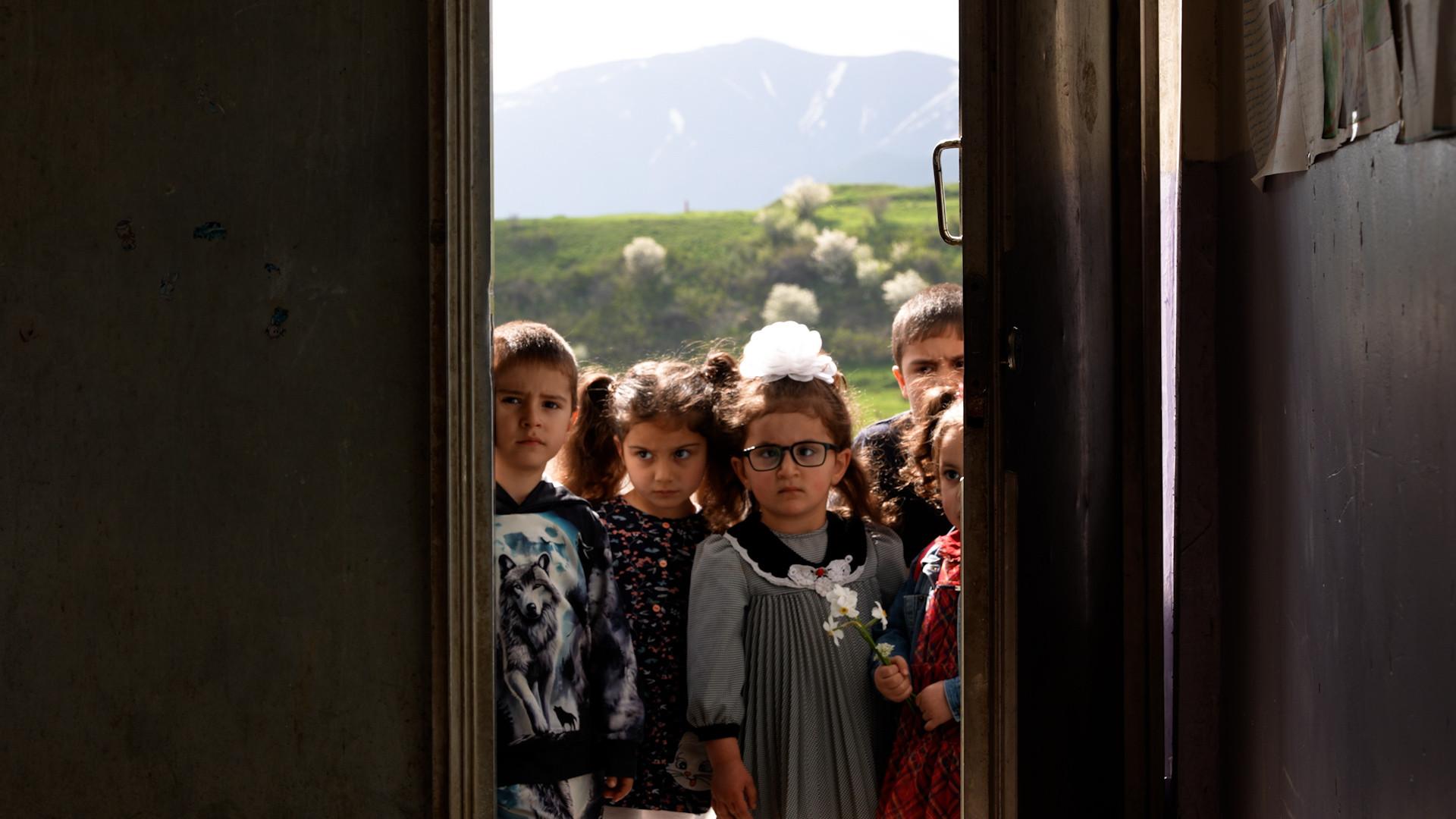
The entire life of Salvard, with a registered population of 185, revolves around a non-descript two-story building that houses the school, the administrative head’s office, the culture center, and the newly reopened kindergarten.
Salvard lacked a kindergarten for the past thirty-three years.
The village school, with its nine pupils, is set to close in a few months as part of the government’s school consolidation program. There were ninety pupils attending school her twenty years ago.
A new school is being built in the neighboring village of Ashotavan, where students from several villages in the Sisian region, including children from Salvard, will be moved.
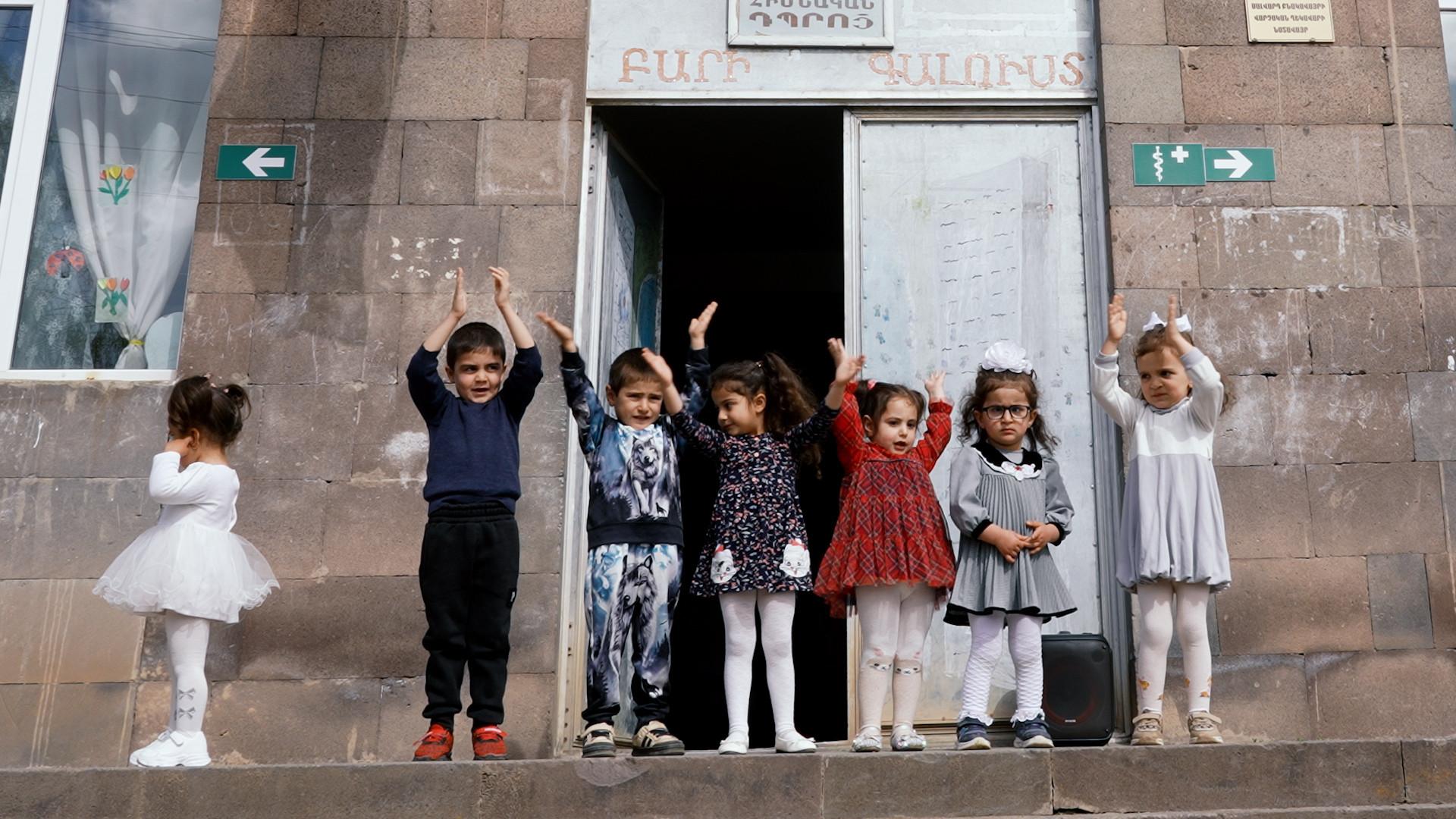
While the opening of the kindergarten has created new jobs in the village, the closure of the school has villagers wondering about Salvard’s future.
You won’t see many people on the village streets. The doors of many houses are bolted shut, weeds covering the gates. It’s obvious that those doors haven’t been opened for a long time. Salvard was founded in 1828 by immigrants from the Khoy and Salmast provinces of Persia.
Kindergarten teacher Aida Samvelyan, 24, is from Salvard. She studied in Yerevan and returned to work in the village. When she was a child, there was no kindergarten in Salvard.
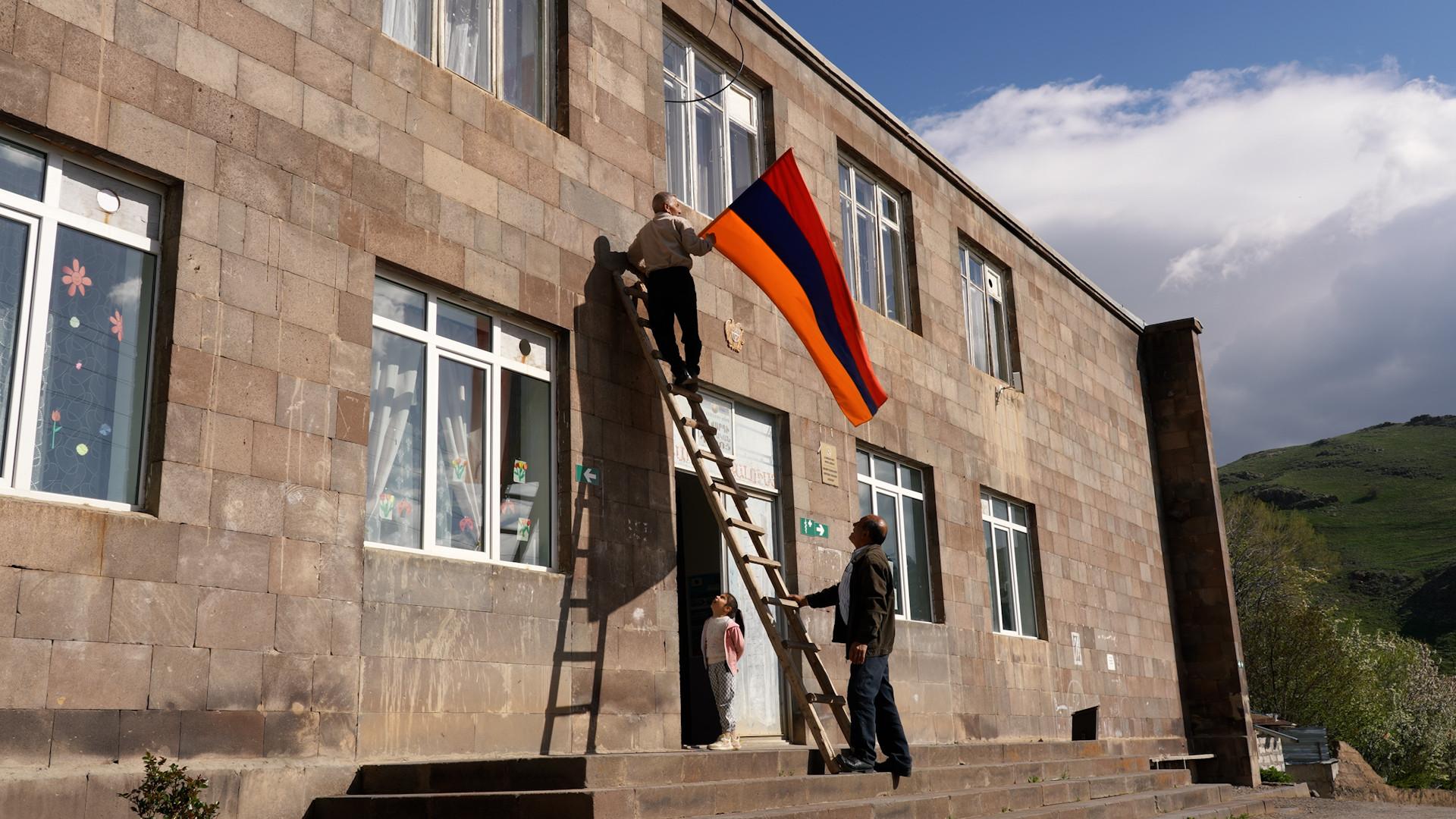
First-grade teacher Anna Poghosyan hasn’t come to terms with the fact that she will not be commuting to Salvard as of September. She travels to Salvard from Sisian to teach. Poghosyan, who also teaches Russian in Salvard, is convinced that life in the village will come to a standstill if the school closes.
Salvard administrative head Movses Margaryan has a different opinion.
“If a child sits alone in a class, I am happy that they will relocate them. Children should connect with other kids, there must be competition, I do not think that the closure of the school will contribute to the emptying of the village. Those who leave will leave, those who come will come,” says Margaryan.
He is convinced that the main problem of the village is not the school, but the infrastructure. Margaryan says people left the village mostly because of the poor roads.
Write a comment