 Videos
 Photos


Invasive Species and Weak Government Response Threaten Armenia’s Biodiversity
Twenty-seven years ago, Armenia officially declared that invasive species threaten the country's biodiversity. Today, this threat is noticeable throughout the country. Invasive species have spread to all provinces, reached reserves and specially protected areas, and state programs to combat them have remained on paper.
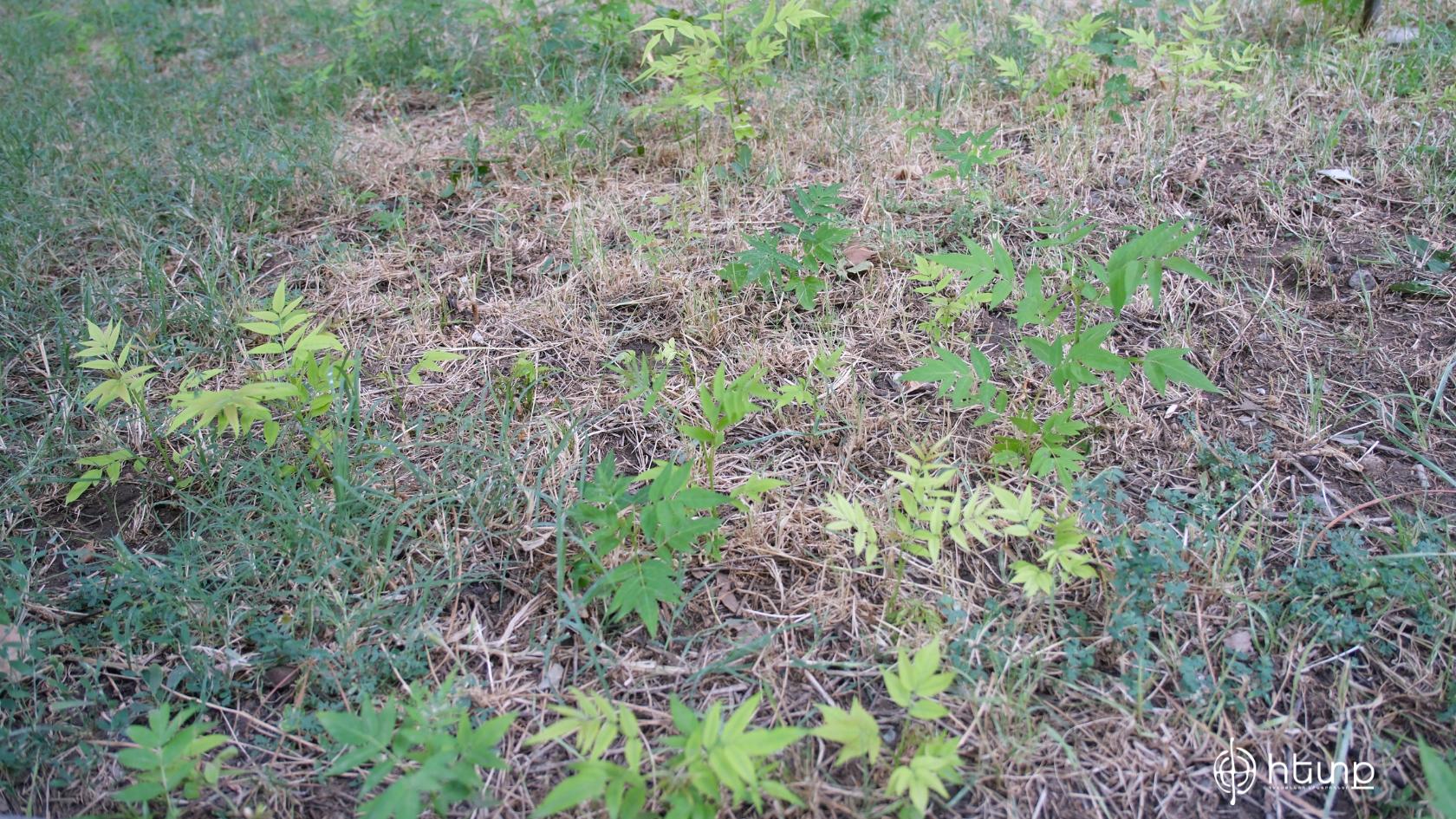
Do you know what grows in your yard, on the side of the street, in your village or city? If you are outside right now, for example, on the streets of Yerevan, take a moment to look around. Do you see a tree that resembles a hawthorn, with reddish petioles and beautifully arranged opposite each other pointed, feathery leaves? If not, keep walking for another ten minutes and you will most likely come across one. We are talking about the Ailanthus altissima, or simply ailanthus, commonly known as the Tree of Heaven. In recent years, it has spread so rapidly that today it can be found almost everywhere: in yards, on sidewalks, along roads, on riverbanks, and even in specially protected nature areas. However, the problem is not its prevalence. The ailanthus suppresses the plants growing around it, disrupts local species, and gradually changes natural ecosystems. It is just one of dozens of invasive species that threaten Armenia’s biodiversity.
Invasive species outcompete and displace native plants and animals
During an invasion, an alien species overcomes several natural barriers and establishes itself in a new ecosystem. Having appeared in a new environment, invasive species easily adapt to new conditions, multiply quickly, and spread. Invasive species dominate and suppress local plants and animals, deplete ecosystem resources, and crowd out local species. Sometimes these very species can become the cause of the extinction of endemic species.
The terms "invasive" and "alien" are often confused. Alien species are organisms that have been introduced outside their natural range by human activity, whether intentionally or accidentally. However, it is important to note that an alien species are not necessarily invasive.
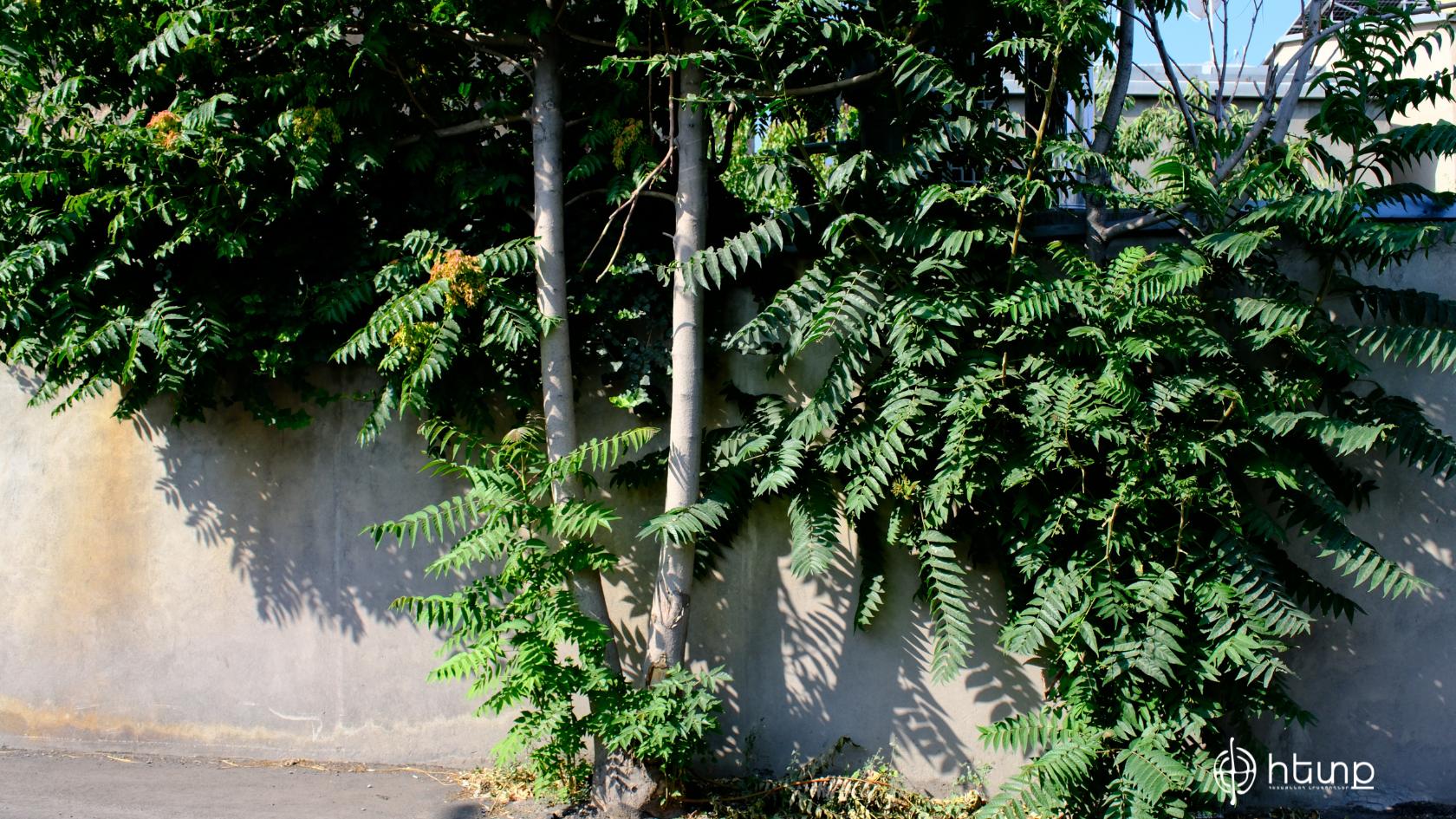
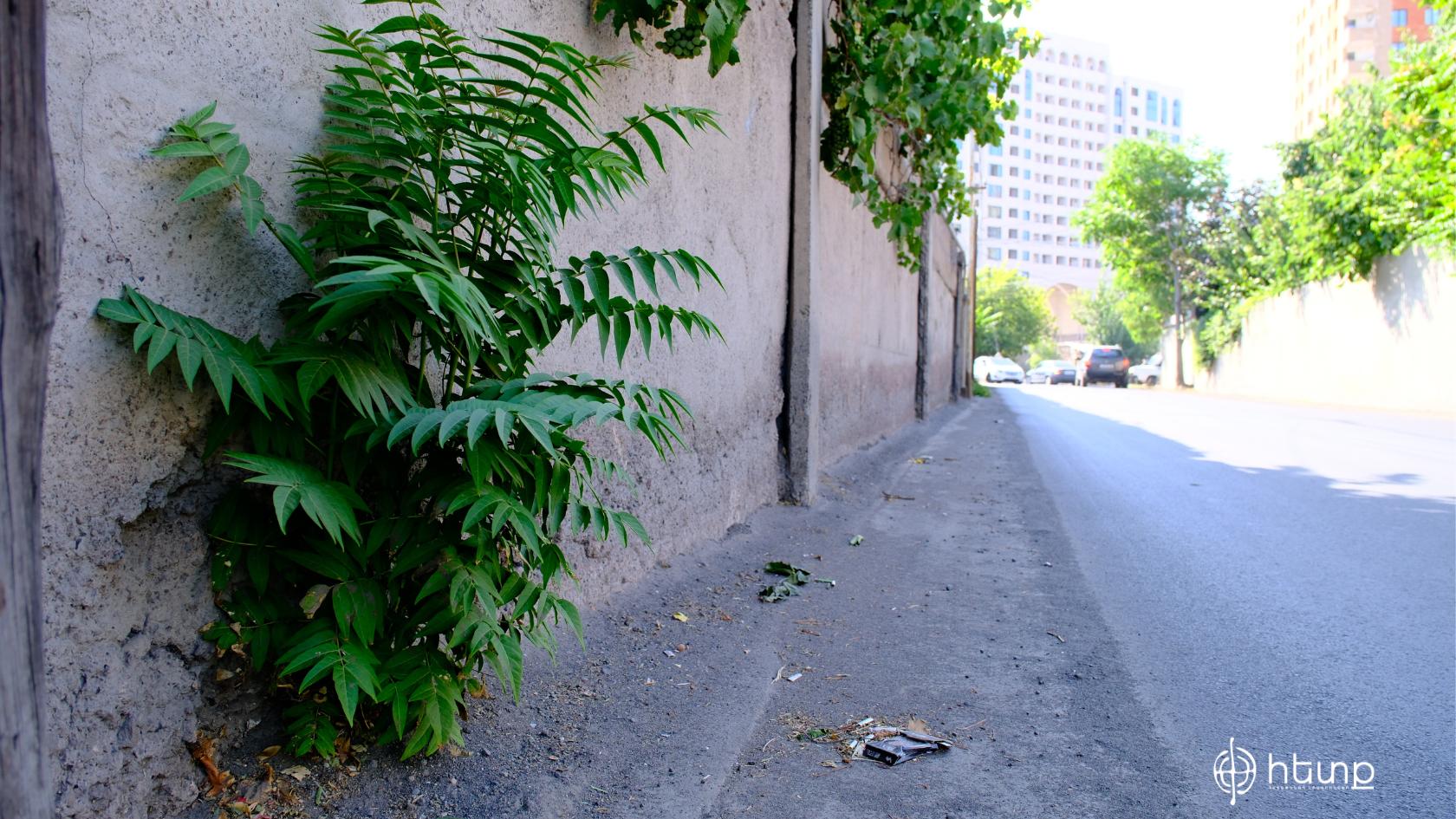
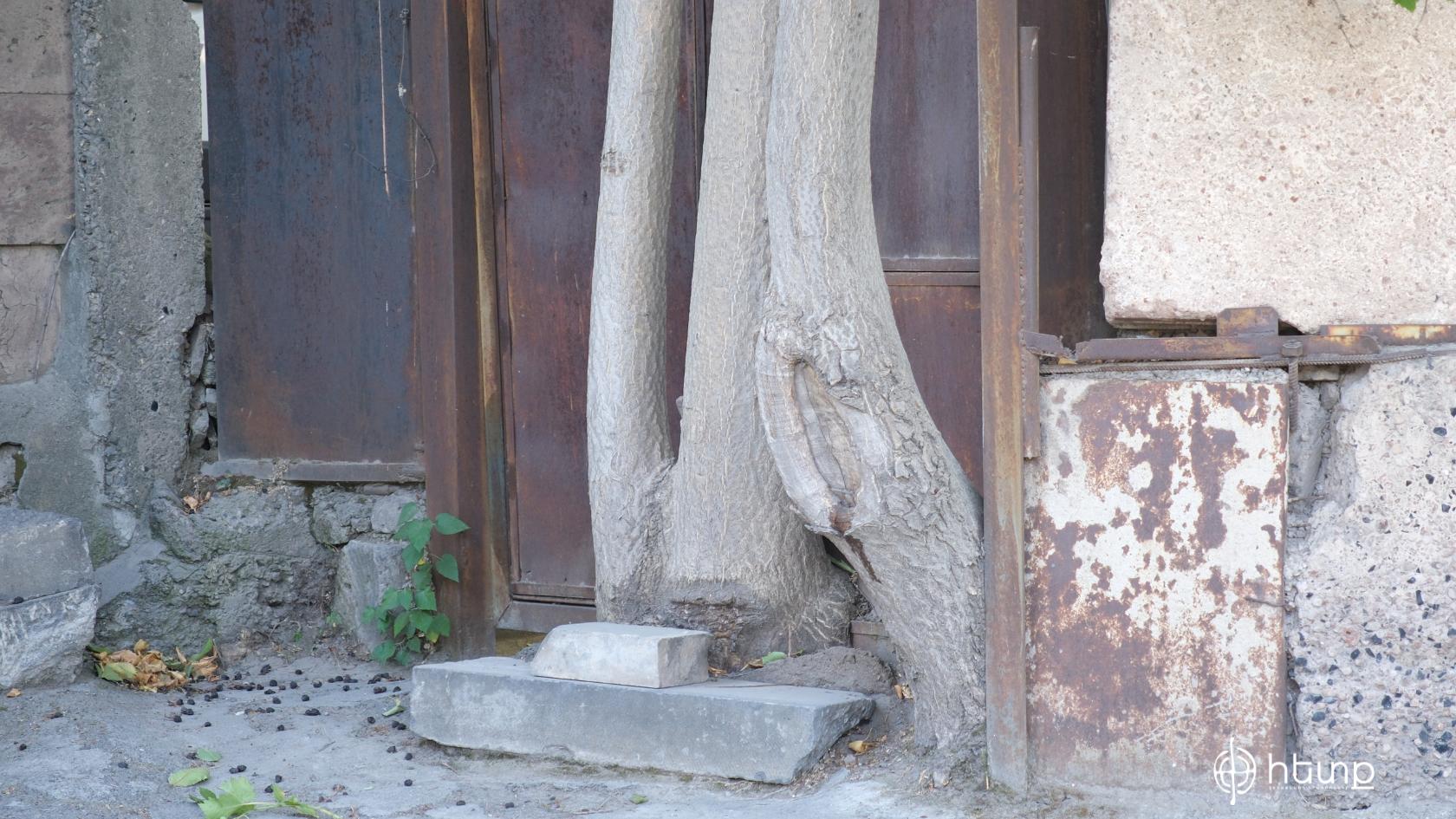
“If we have an alien species in the city that is grown as man ornamental, it is not yet an invasive species. It can grow and remain in place for years. To be an invasive species, the same alien species must independently reproduce and spread in new natural ecosystems,” says Alla Aleksanyan, Candidate of Biological Sciences.
Invasive species can also appear in new environments because of human activity. This is facilitated, for example, by the construction of canals, climate change, as well as their transportation by means of transport, soil, feed or food.
The continuously increasing rates of biological invasions, including invasive species, are currently considered one of the main global threats not only to biodiversity, but also to human health.
Invasive species are classified as very high and highly dangerous, as well as potentially invasive, in terms of the threat they pose to natural ecosystems. Highly invasive species penetrate natural ecosystems, actively spread, taking over the territory and displacing native species. Highly invasive species successfully penetrate new ecosystems and spread but are not yet dominant species in the ecosystem. Potentially invasive species are those species that are not yet registered in a given ecosystem but are known as dangerous invasive species in other countries, especially neighboring regions.
Why Armenia Is Vulnerable to Invasive Species
The Caucasus, including Armenia, is considered one of the “hot spots” of global biodiversity significance. Armenia is particularly vulnerable to invasive species, as it is distinguished by a high level of endemic species and rich biodiversity.
“This diversity in Armenia ensures that we also have a variety of alien species. Thanks to its rich natural and climatic conditions, Armenia has favorable conditions for various invasive species. Thus, there are opportunities for more invasive species to establish themselves in Armenia. All this increases the threat to existing species,” notes Aleksanyan.
Invasive species in Armenia pose a particularly great threat to specially protected nature areas. Several species have been recorded in large specially protected nature areas of Armenia, such as the Khosrov Forest State Reserve, the Shikahogh Reserve, and the Dilijan, Sevan, and Arevik national parks.
Pathways Bringing Invasives to Armenia
Invasive plant and animal species have appeared in Armenia in various ways. For example, insects and nematodes were introduced accidentally, through infected planting material, fruits, and vegetables. Fish and mammals were mainly introduced intentionally, for production or other purposes. They appeared in natural ecosystems because of being released into the wild or escaping from fish farms and factories. Several plant species were introduced as ornamental plants, and the seeds of some plants reached Armenia via automobile and rail transport. The maple (Acer negundo, American maple), the white acacia (Robinia pseudoacacia) were originally planted along roads and railways as protective layers, from where they began to spread.
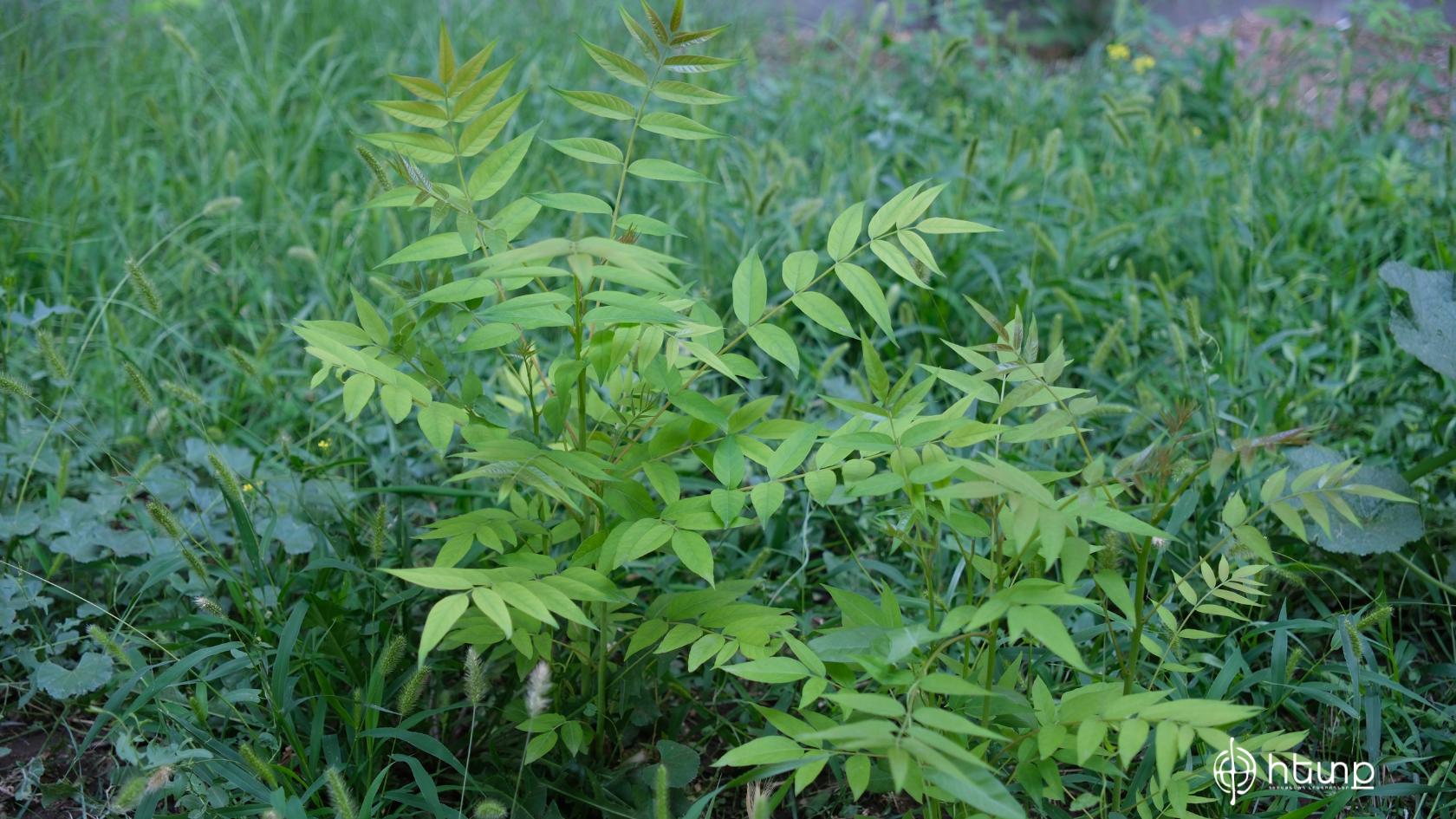
Among Armenia provinces, Tavush is considered the main gateway for invasive species. Yerevan is in second place in this regard, which is due to the large volume of imported goods. Southern regions, such as Syunik, are safer from the penetration of invasive species, due to the mountainous terrain and the Araks River, as these are natural barriers to the natural spread of these species.
In the last five years, fifteen new invasive animal species have been registered in Armenia
A scientific study on invasive animal species published in 2024 identified forty invasive animal species already registered and widespread in Armenia. Based on this study, the list of invasive animal species widespread in Armenia was officially approved by order of the Minister of Environment in the same year.
Among the forty confirmed animal species, insects predominate - 26 species. In addition, this study recorded six fish species, two nematodes, two ticks, one mollusk, one crustacean and two mammals (skunk and muskrat).
Seventy-five percent of the recorded invasive species are terrestrial and mainly inhabit agricultural lands. In the last five years alone, fifteen new invasive species have been discovered in Armenia for the first time. In the last ten years, more than forty percent of all known invasive species have been recorded.
“The large number of discoveries in recent years is also a consequence of human impact. We have started to travel more often and the more we visit other places, the greater the likelihood that we will bring new species with us, including invasive ones. Trade with other countries has also increased, which is also a contributing factor,” notes professor of biological sciences Marineh Arakelyan.
Unlike invasive animal species, there is no approved list of invasive plant species in Armenia. There are only individual studies on some invasive plant species.
In 2022, a scientific study was published on fourteen invasive plant species widespread in Armenia, authored by Doctor of Biological Sciences and botanist Georg Faivush and Candidate of Biological Sciences Alla Aleksanyan. According to this study, most of the invasive plant species were introduced to Armenia intentionally. For example, eight of the fourteen species were introduced as ornamental plants, for landscaping or reforestation purposes, and four species penetrated naturally, by self-propagation, from neighboring countries. Only two species were introduced accidentally. Most of these species pose a serious threat to biodiversity. Four species: Ailanthus altissima, Cirsium incanum, Leucanthemum vulgare, and Silybum marianum have a very high level of danger. The other seven species pose a high level of danger.
Ailanthus altissima: From Ornamental Tree to Ecological Threat
In Armenian, the name “aylant” is most often used for this species. However, literally translated, it means “paradise tree” or “tree of heaven”. Despite this name, today it has become a serious threat to the entire flora of Armenia.
This tree is native to China. It was initially introduced to various countries as an ornamental plant, but later it left the planting areas and began to spread independently. Currently, it is registered almost all over the world and is present on all continents except Antarctica. In many countries it is considered a dangerous invasive species.
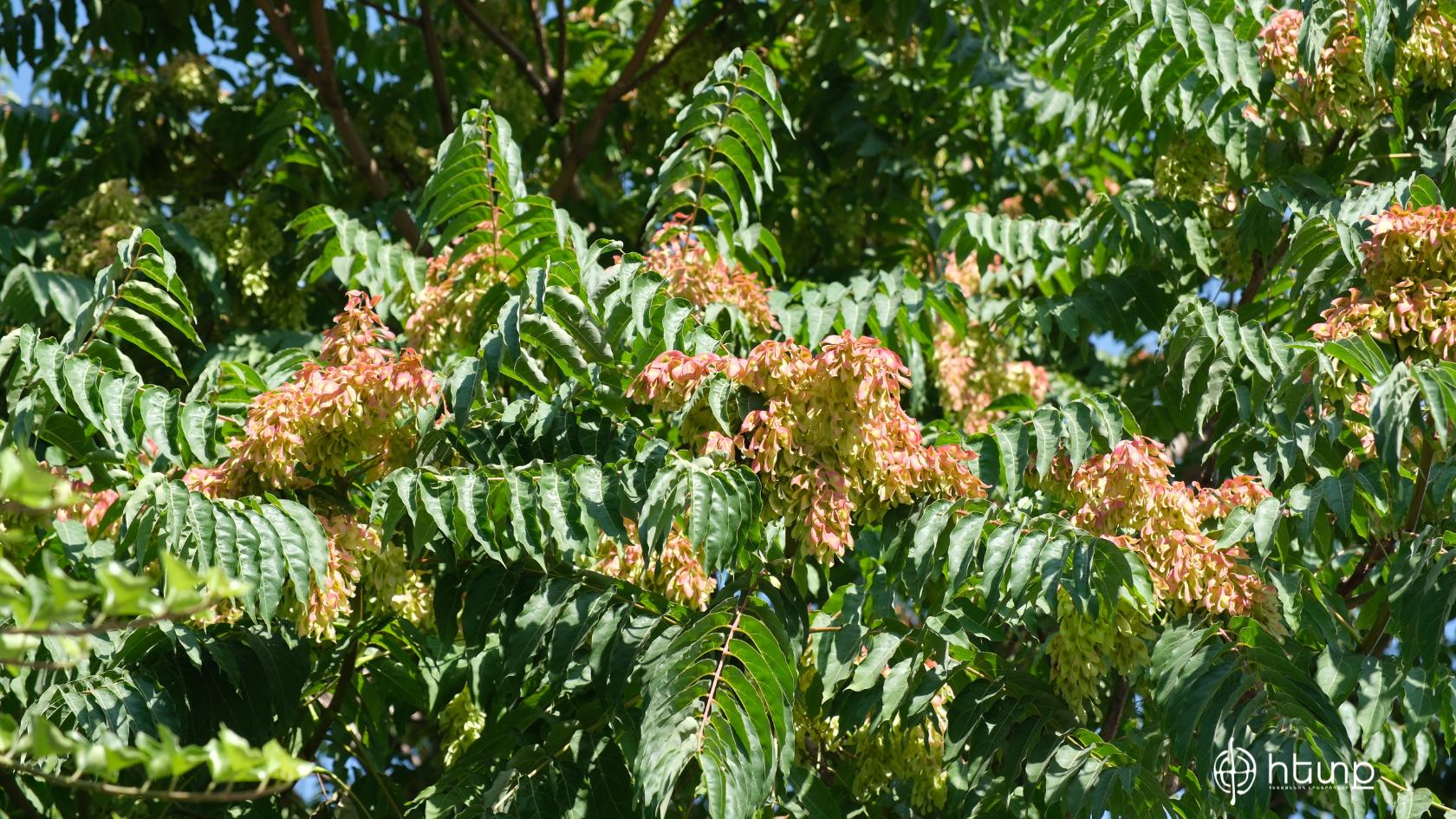
The ailanthus was introduced to Armenia in the 1930s for the purpose of landscaping residential areas. However, due to its high ability to reproduce, it has escaped from planted areas and spread widely in Armenia. Today, it is found in several specially protected areas, including the Erebuni and Shikahogh state reserves, the Khosrov Forest State Reserve, as well as the Dilijan and Arevik national parks. Researchers have assessed the threat level of this species to the natural ecosystems of Armenia as “very high”.
The invasiveness of the ailanthus is due to its high ability to reproduce both vegetatively and by seeds. Its tree can reach a height of up to 27 m, and one tree can produce up to 300,000 seeds per year. It easily adapts to different types of soil and is resistant to urban pollution. In addition, it produces a compound called ailanthus, which has a toxic effect on other plants, inhibiting their growth and pushing them out of the area, providing additional space for its spread. It is precisely because of this compound that after the removal of an alien plant from natural areas, local vegetation recovers only after some two years.
Ragweed can cause allergic rhinitis and bronchial asthma
The homeland of ragweed is North America. Currently, it is widespread on all continents of the world, except Antarctica, and in many countries it is considered a dangerous invasive species. Its spread is facilitated by its high ability to produce seeds: small seeds are easily transported by wind, as well as by road and rail transport.
It produces a large amount of highly allergenic pollen, which can cause allergic rhinitis in sensitive people and contribute to the development of bronchial asthma. In addition, ragweed is considered one of the most dangerous weeds in agriculture, especially for spring crops, as it significantly reduces their yield.
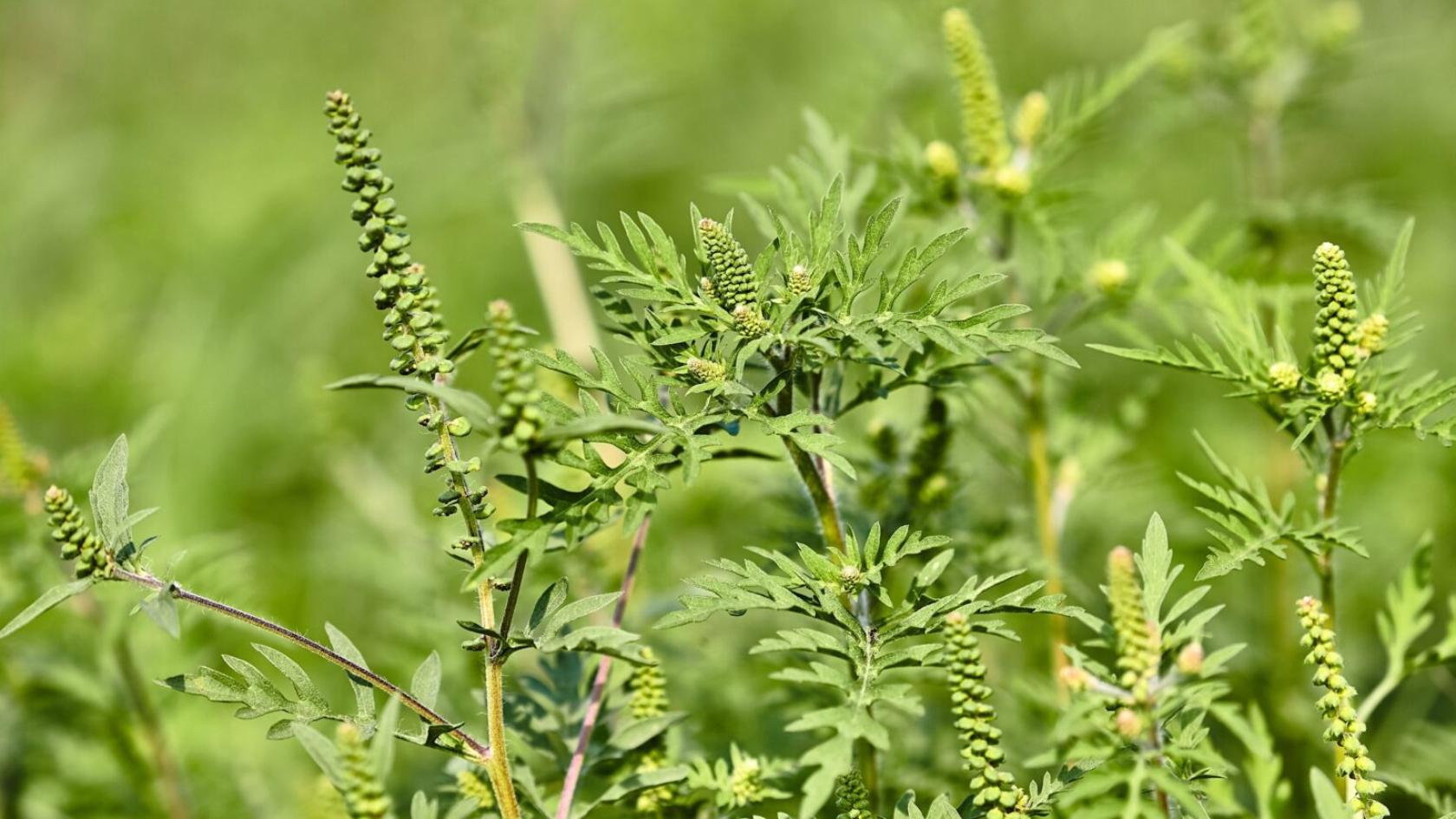
In Armenia, ragweed was first discovered in 1983 in the Aghstev River estuary. Until approximately 2010, its populations occupied relatively small areas in the lower reaches of the Debed and Aghstev rivers, which were disturbed by human activity. The species then began to spread intensively throughout Armenia.
Ragweed spread along river valleys to high altitudes, reaching 1700–1800 m above sea level and appearing in the cities of Spitak and Dilijan. It also spread to disturbed areas along roads and railways.
Ragweed populations were also found in the cultivated fields of the village of Dsegh, as well as further south, in areas adjacent to the Yerevan-Sevan highway. The species has been recorded in Yerevan lawns, flower gardens in the Ararat Valley, and in the Dilijan National Park. Its threat level for Armenia's natural ecosystems is assessed as "high" and for public health as "very high."
White acacia, common chamomile, thistle
Invasive plant species that pose a great threat in Armenia include thistle, common chamomile and white acacia. Thistle is widespread throughout almost the entire territory of Armenia. It is found both in disturbed areas and abandoned agricultural lands, and in natural ecosystems - meadows and steppes. In addition, this species has been recorded in the Erebuni and Shikahogh state reserves, the Khosrov State Forest Reserve, as well as in the Lake Arpi, Dilijan, Sevan and Arevik national parks.
White acacia began to be widely used in Armenia in the 1930s for community landscaping, as well as for creating protective forest belts along roads and railways.
Later, probably because of seed propagation, individual plants began to appear outside the planted zones and penetrated natural ecosystems. Currently, it is most widespread in the floristic regions of Lori, Ijevan, and South Zangezur.
The Canadian chrysanthemum is also a potentially invasive plant species in Armenia. It has been registered in the Yerevan Botanical Garden and is grown as an ornamental plant in several home gardens and parks. From these areas, it has spread by self-seeding and has appeared outside the borders of cultivated areas.
From fish farms to rivers and lakes
Among invasive fish species in Armenia, the most common are the silver crucian carp (Prussian carp) and the Amur carp,
The main factor in the penetration of these species into Armenia has been the development of fish farming. The silver crucian carp was introduced to Armenia in the late 1960s, from the Odessa region to the Masis fish farm, along with other species, by chance. It is believed that the Amur carp was also introduced during the same period, along with the white crucian carp. The white crucian carp was intended for cleaning ponds.
According to a study published in 2023, these species are now found in almost all regions of Armenia, including the Kura and Araks river basins and Lake Sevan. According to the authors of the study, the main factor limiting their spread is altitude: low temperatures do not allow them to establish and develop in high-altitude zones. So far, no invasive fish species above 2,100 meters have been recorded in Armenia. The highest places where they have been found are Lake Arpi (2025-2031 m) and Spandaryan Reservoir (2031 m).
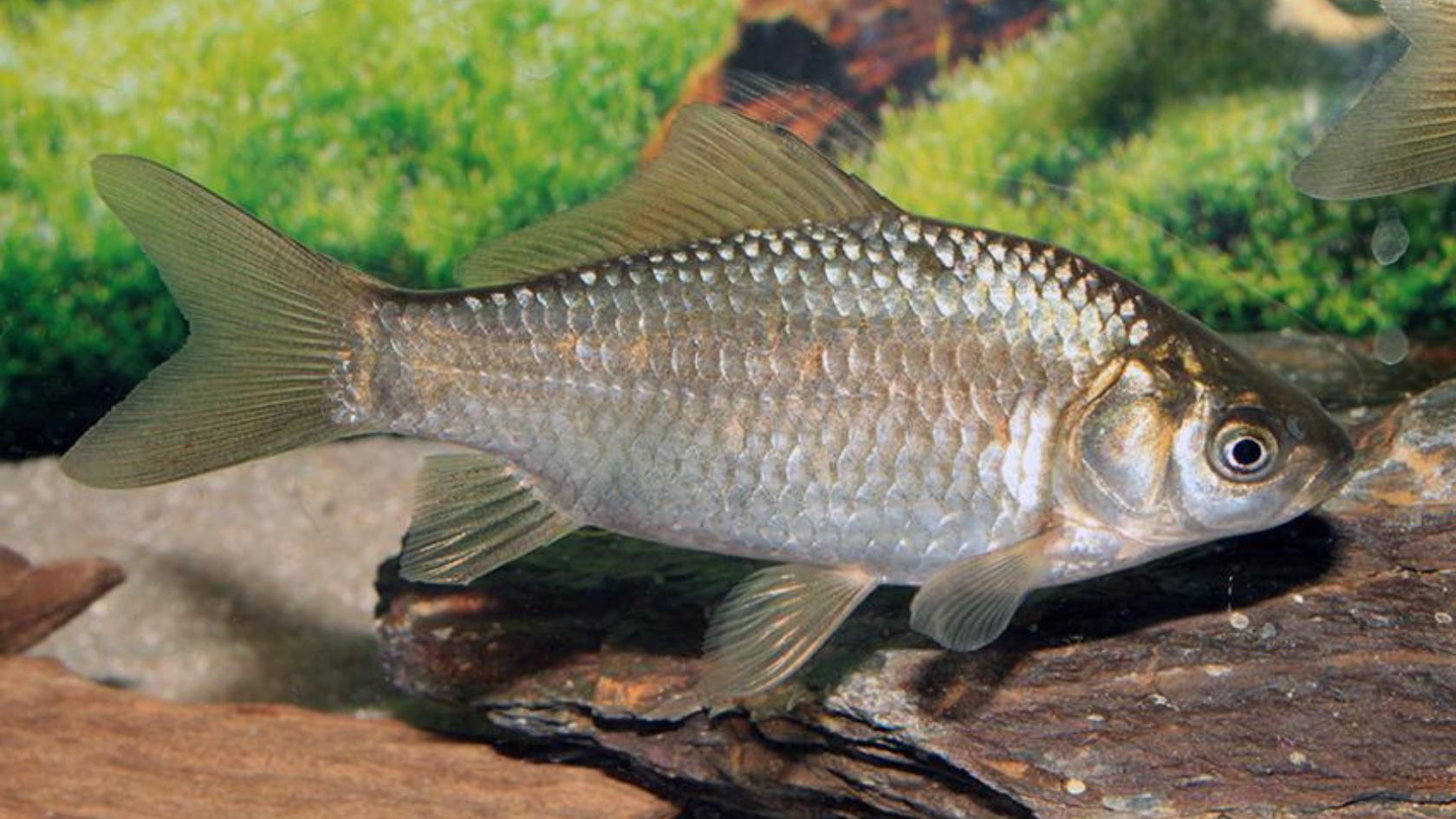
These fish species do not represent a great value. Instead, they damage both aquatic ecosystems and the fish economy. Due to their rapid reproduction, they compete with native fish species and endanger their resources.
According to researchers, insufficient control of invasive species, as well as the increase in water temperature due to climate change, can significantly change the aquatic biodiversity of Armenia.
The silver crucian carp has been found in Lake Sevan, the Ararat Valley, and the Akhuryan and Arpa river basins
The natural distribution area of the silver crucian carp extends from Central Europe to Siberia and East Asia. Due to its high adaptability, it has spread to many water basins of Eurasia and South America. It was first introduced to Armenia in the late 1960s. The species was accidentally introduced from Odessa region along with other fish species, in particular common carp (Cyprinus carpio) fry, for breeding at the Masis fish farm. Later, from the Masis fish farm, the silver carp spread to various rivers and lakes of Armenia.
In the 1980s, the silver carp was first recorded in Lake Sevan. Although its detections were rare in the 1990s and 2000s, studies conducted by 2021 showed that the species was already widespread in almost all studied water basins, except for the Debed River, as well as the middle and lower reaches of the Aghstev River. Currently, the silver carp is found in Lake Sevan, the Ararat Valley, as well as in the basins of the Akhuryan and Arpa rivers.
The “absolutely useless” Amur carp
The Amur carp is native to East Asia. However, the species has spread to areas from Central Asia to North Africa, including Armenia. It is believed that the species was introduced to Armenia in the 1960s but was only officially registered in the 1990s.
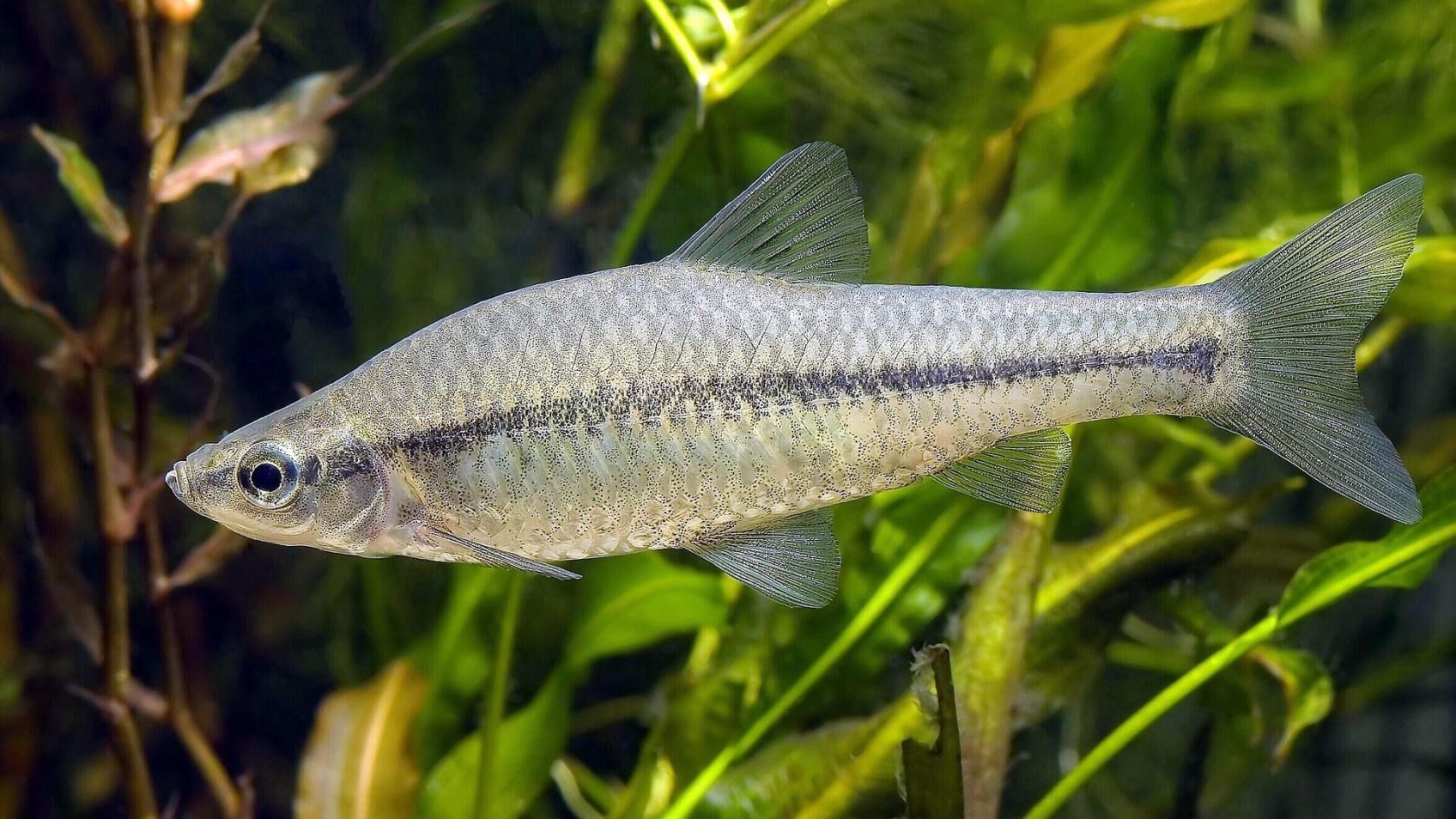
“The Amur carp is a well-known invasive and at the same time completely useless fish. There is a black membrane in its belly, which is poisonous. Neither humans nor any other animal can eat it. That is, no one can use it in the ecosystem food chain,” says Marineh Arakelyan.
The number of registered discoveries of the species in Armenia has increased in 2010–2021. It was found in the Ararat Valley, the Akhuryan River basin, the Azat Reservoir and the Kura River catchment basin. Currently, the Amur carp is widespread in all provinces of Armenia.
What are Armenia’s commitments at COP17
Within the framework of the 17th Conference of the Parties to the UN Convention on Biological Diversity (COP17), Armenia has dedicated one of its thirty national targets to the fight against invasive species. Under national target seven, Armenia commits to “establish a regulatory framework for the prevention, management and control of the introduction and spread of alien (invasive) species.”
The first of the four goals set within the framework of COP17 involves restoring and protecting ecosystems, maintaining and enhancing the integrity of ecosystems, preventing the extinction of species caused by human activities, and conserving genetic diversity. And the sixth of the global targets refers to reducing the introduction of invasive alien species by fifty percent and minimizing their impact.
Armenia has set five procedures to implement the national target on invasive species. By 2030, a regulatory framework should be established in Armenia for the identification, prevention, control and management of invasive or potentially invasive alien species, as well as for the routes of their introduction. To this end, Armenia, represented by the Ministry of Environment, undertakes to prepare a list of invasive and potentially invasive alien plants and fungi. The list should be compiled with the consent of the National Academy of Sciences. This should be implemented by 2027.
By 2028, with the consent of Armenia’s State Revenue Committee (SRC) and under the leadership of the Ministry of Environment, guidelines for border checkpoints should be developed, and training on invasive and potentially invasive species should be conducted for SRC employees.
By 2028, Armenia is committed to implementing DNA barcoding of invasive and potentially invasive alien plants, fungi, and animals in agreement with Yerevan State University, the American University of Armenia, the National Academy of Sciences, and the National Agrarian University of Armenia.
At the same time, the Laws “On Flora,” “On Fauna,” and “On Administrative Offenses” should be amended under the leadership of the Ministry of Environment to regulate the use of invasive species. These legislative amendments should be implemented in agreement with the Nature Protection and Subsoil Inspection Body, the National Academy of Sciences, and Yerevan State University. This should also be implemented by 2028.
Invasive species are one of the threats to biodiversity presented in the 2026-2030 Action Plan, established by the Order of the Minister of Environment of April 3, 2026. This is justified by the fact that in recent years some species have significantly expanded their distribution ranges, the density of populations of these species has increased, and their penetration and establishment in natural ecosystems has begun.
The threat of invasive species was raised as early as 1999
Armenia spoke about the threat of invasive species in 1999 - in the National Biodiversity Strategy and Action Plan (NBSAP). It was noted here that some invasive species have expanded their distribution ranges to the detriment of local species, and that the greatest concern is the penetration of agricultural pests. At the same time, it was noted that the growth of regional and international trade may lead to an increase in the penetration of new alien species into Armenia due to insufficient customs control and restrictions on quarantine regulations. Aggressive weed plants, insect pests, and fungi are presented as the most dangerous species.
According to this document, it was planned to conduct research by 2002 to determine and monitor the prevalence and impact of invasive species, and to develop and implement measures to control invasive species by 2003.
Despite the planned actions, a comprehensive survey of invasive species, as reported in 2003, has not been conducted. Moreover, Armenia still does not have a list of invasive plant species, and it approved the list of invasive animal species only in 2024. While several species have managed to spread throughout the republic, there are no appropriate legal regulations to combat them.
There are no statistics on the import of invasive species
Armenia’s Statistical Committee does not keep statistics on the import of most species included in the list of invasive animal species that have already been confirmed, as well as invasive plant species that have only been confirmed by research. These species are included in separate subgroups, from the data of which it is not possible to distinguish which plant or animal species has been imported.
In response to a request from Hetq, the Statistical Committee stated:
“The information on the plant and animal species you are requesting, since they are not provided with separate differentiated names even at the highest level of detail of the EAEU FTAA, with 10-digit level codes, and are included in higher aggregation product groups, together with other products.”
What legislative changes have been and are planned
To date, there are no control mechanisms in Armenia for both the import of invasive species and the fight against already widespread species. However, on the e-draft platform, the Ministry of Environment has presented a package of draft legislative amendments aimed at controlling and combating invasive species.
The amendments to the Law “On Flora” first define the term invasive plant species, which was not previously defined in the same law. It is planned to conduct a study of the prevalence of invasive plant species, implement work to raise public awareness of their introduction and use. In addition, the Ministry of Environment must approve the list of invasive plant species. The article on the issues of flora conservation and protection also stipulates that flora objects must be protected from invasive plant species. The draft also prohibits the unauthorized use, acclimatization and use of invasive plant species included in the approved list for breeding purposes.
Some of these changes are also planned to be made to the Law on Fauna. The list of invasive species was approved earlier, in 2024, by order of the Minister of Environment. The Ministry of Environment says the amendments reflect international best practices and Armenia’s biodiversity commitments, both of which call for stricter controls on invasive species. At the same time, the ministry notes that in Armenia’s current conditions, the import of wild plants may cause risks of the spread of invasive species, the penetration of quarantine pests and diseases, as well as the violation of local ecosystems and biodiversity.
Finally, this package of draft legislative amendments completely prohibits the import of invasive species into Armenia. The package of legislative amendments establishes fines for violation of all the above regulations.
These amendments come into force on December 1, 2026.
What methods should be used in Armenia to combat invasive species
Mechanical, chemical and biological methods are used to combat invasive species. Mechanical control involves, for example, mowing or uprooting plants, and in the case of animal species, their removal. Chemical control is based on the use of appropriate substances, while in the case of biological control, other species are used to suppress the spread of the invasive species.
Researcher Alla Aleksanyan notes that in the case of biological control, competition arises between local and invasive species.
“The local species begins to fight for territory. At some point, it must suppress the invasives. This is the most basic way to cause a struggle for existence or provoke it,” says Aleksanyan.
She adds that if it’s decided, for example, to combat ragweed by cutting or uprooting it, then one should be careful at what stage of the year this is carried out, that is, before or after flowering, since in the case of ragweed, the greatest danger is its pollen.
According to Aleksanyan, if the presence of an invasive species has already been confirmed in any area, the primary goal should be to prevent its further spread or at least not contribute to it. Marineh Arakelyan agrees and considers biological control methods to be the most effective.
Arakelyan says that to control the import of invasive and potentially invasive species into Armenia, researchers want to create ways to quickly determine the invasiveness of the species at border points.
“For example, if an animal, insect or any plant is imported, we want to make it possible to quickly determine its invasiveness by taking a picture and using artificial intelligence, or quickly identify tree species on the spot, without consulting a specialist or sending him a picture,” she says.
Both researchers consider COP17 a good opportunity to talk about invasive species and their dangers.
Invasive species have spread in Armenia faster than state mechanisms to combat them have been formed. Despite concerns repeatedly expressed since 1999, Armenia still lacks a comprehensive and approved list of invasive species, established mechanisms and working methods to combat them, or sufficient awareness of invasive species and their dangers.
Armenia’s commitments on the eve of COP17 provide an opportunity to fill in the gaps. If the ten-day international conference has the potential for real change, perhaps this time Armenia will fulfill its commitments.
Write a comment