 Videos
 Photos


Syrian-Armenian Specialists at Yerevan’s Matenadaran Preserve Arabic Manuscripts for the Future
By Anton Geissler (Hetq intern)
Karin Abelyan is the expert on restoring Arabic manuscripts at the Matenadaran, Armenia’s most important manuscript depository, located in Yerevan.
The texts being restored are stored in a large green safe embedded in the wall in her office. As she opens the door, one can glimpse a few manuscripts and stacks of loose leaves awaiting binding.
The Matenadaran has over 1,800 Arabic script manuscripts, both religious texts such as the Quran, literature, and books on medicine, mathematics, and grammar. The collection includes texts written in Ottoman Turkish, Persian, and Armenian, but the Arabic texts are distinct as they include only red and black colouring, while other cultures make use of blue, green, gold, and silver.
The black is made with iron or coal, while the red is often the famous Armenian Vordan Karmir. This pigment comes from a beetle that exclusively lives in the Ararat Plain and Araks River valley, offering a glimpse of the intercultural trade behind these manuscripts. Gayane Mkrtumyan, a scholar working on Arabic texts at Yerevan State University’s Faculty of Oriental Studies told Hetq how the cultures of the region cannot be understood in isolation. Abelyan’s manuscripts offer a physical reminder of this argument.
Abelyan’s current project is a 17th-century Quran from Persia. Its leaves are still loose, as the binding must be redone as part of the restoration project. Several leaves are already completed and offer a strong contrast to the unfinished ones.
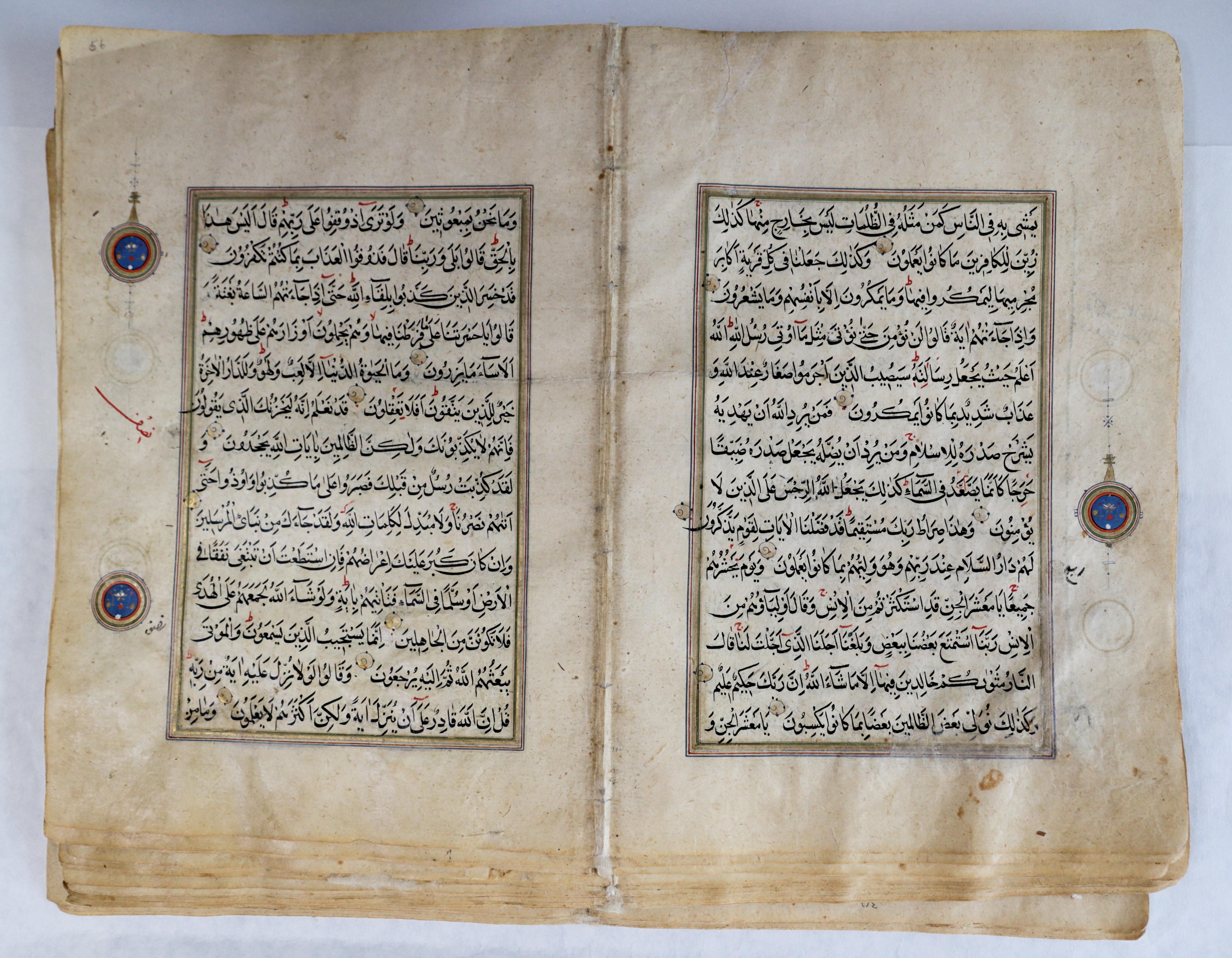
Abelyan says the manuscript was previously restored in the 1960s. Back then, incorrect European book-making methods were used, including a distinctly non-Arab method of sewing the leaves together and paper containing iron, which has since turned the leaves black. The previous restorer also rewrote parts of the missing text, which is “against international conventions as it is historically incorrect”. However, Abelyan is not allowed to rectify the mistake, which now has become part of the manuscript’s history.
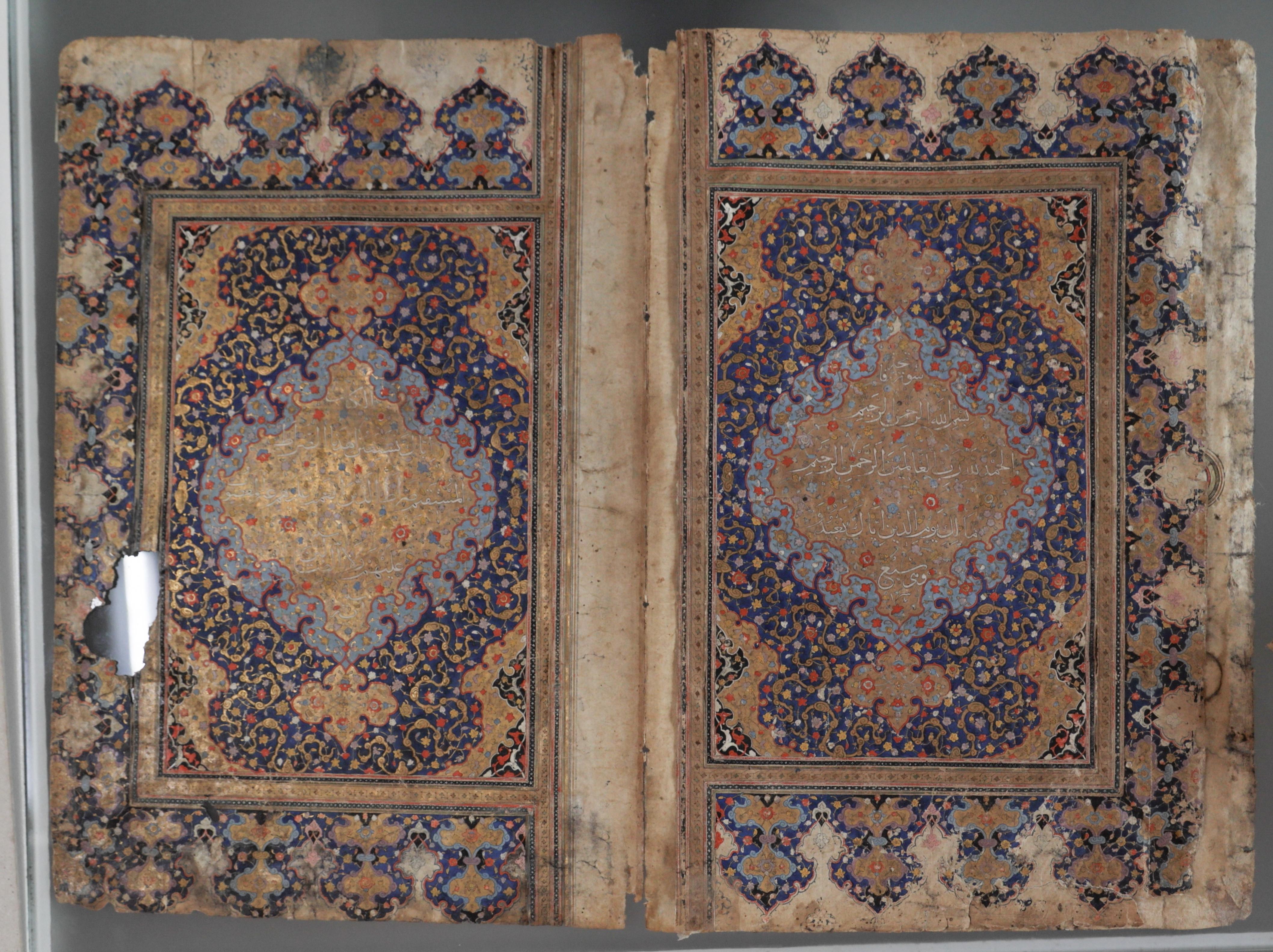
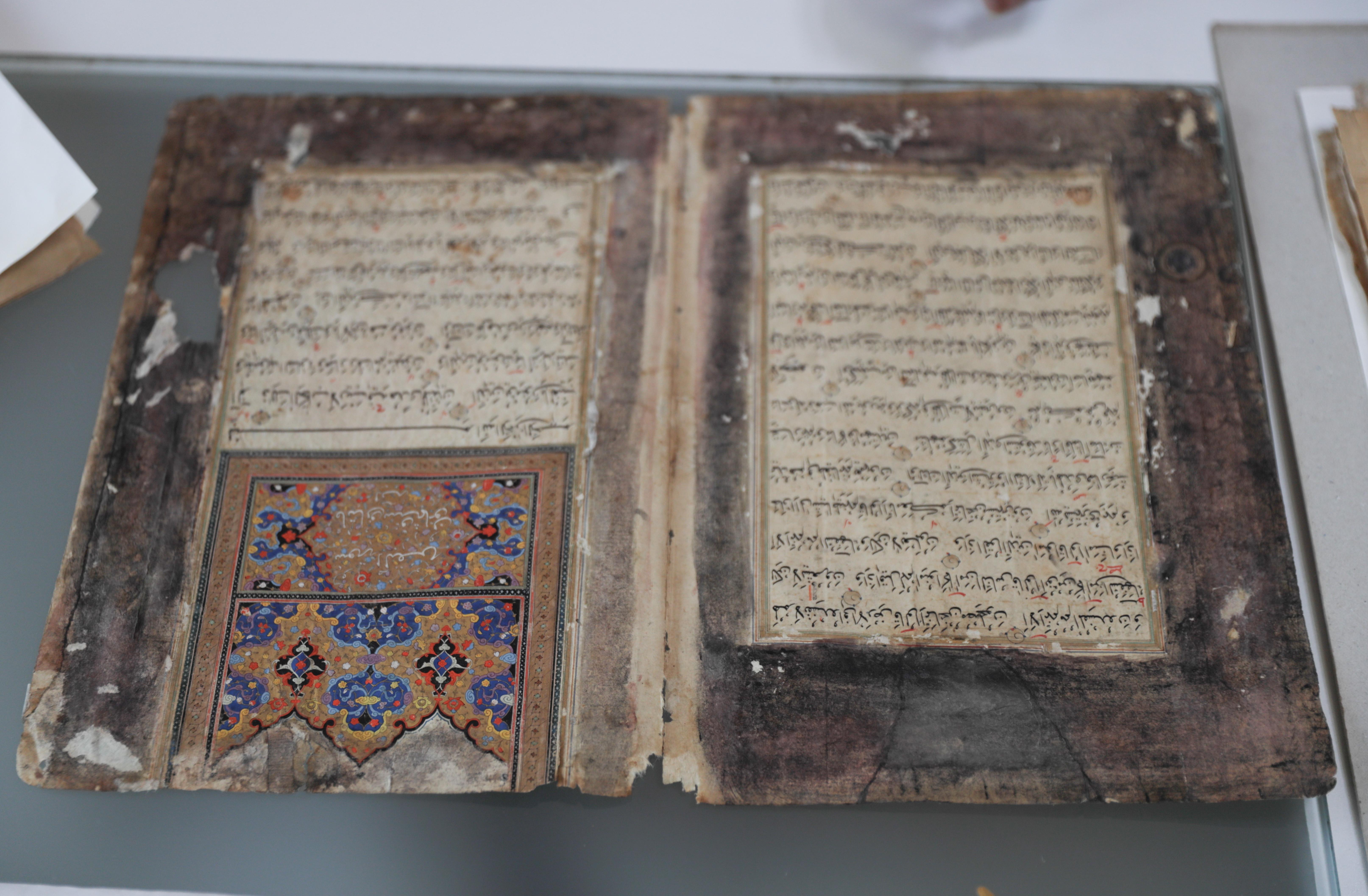
Today, Abelyan can use Armenian paper in her work. Previously paper was imported from Japan, but the locally sourced paper is of equal quality and adds the additional benefit of being able to colour the paper according to the manuscript.
Her work is the last step in a process spanning several months. Manuscripts chosen for restoration are first cleaned before they are sent to a laboratory where various defects are cured. Then experts describe each leaf, before Abelyan finally stabilises the paper and the museum digitalises the manuscript.
Abelyan has been working on Arabic manuscripts since 2004, but began her career at the Damascus National Museum where Japanese experts trained her. When Damascus was besieged during the mid 2010s, the museum’s contents were evacuated to several secure sites in Syria, often finding shelter in national banks. Several other museums were robbed during the period, and Abelyan describes how the director of Syria’s Tadmor Museum only saved its content by smuggling it past terrorists in a lorry laden with dead soldiers.
Syria’s civil war also impacted Abelyan’s work. Due to sanctions, the import of Japanese paper was interrupted. The manuscripts have since been returned to Syria’s National Museum, but Abelyan and her family were forced to move to Yerevan in 2021 due to the lack of basic resources such as gas and electricity.
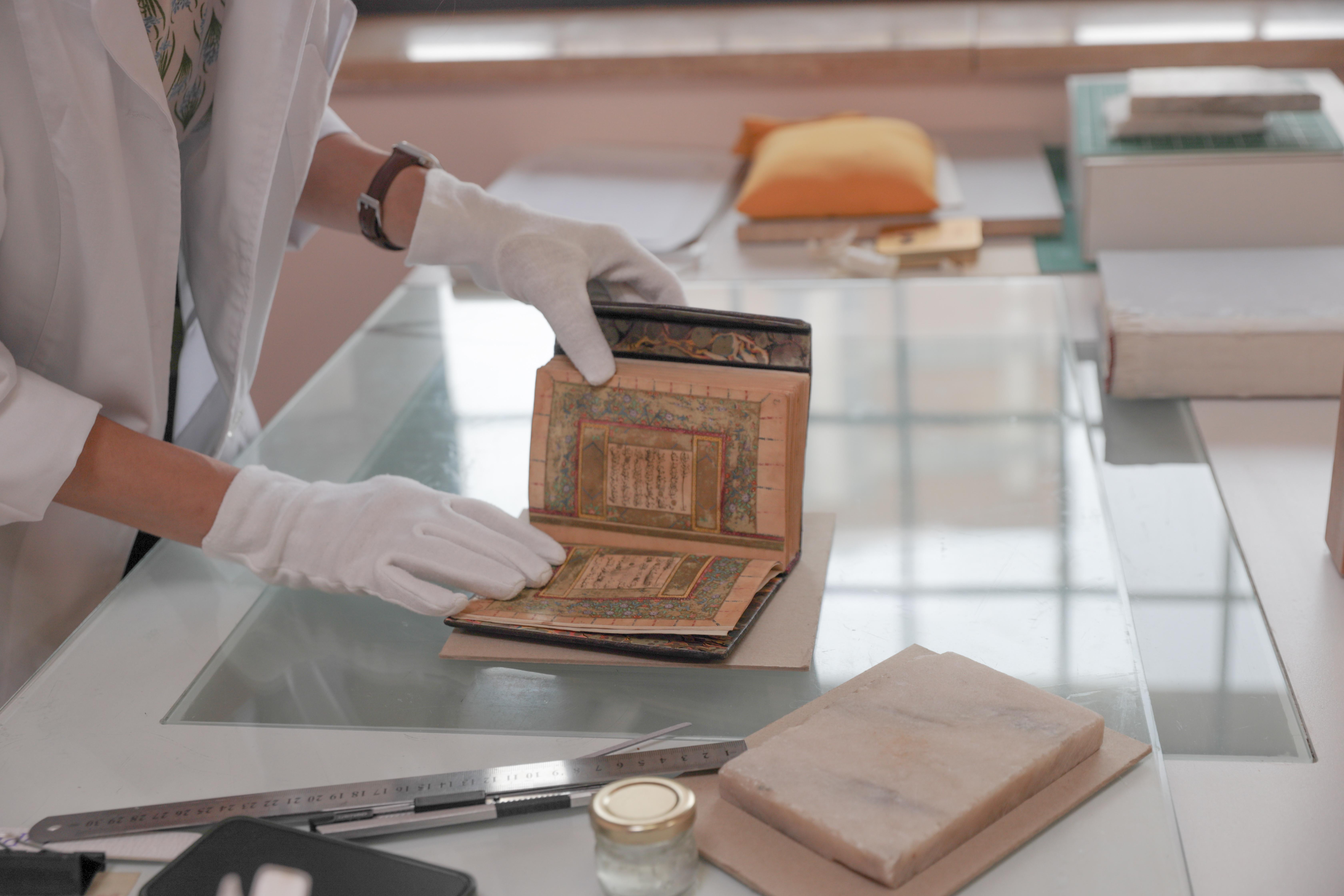
She describes her work as very similar to that in Damascus, even though the stability and safety of the Matenadaran offers a strong contrast to her memories of Damascus.
Working with her colleague Lusine Tumanian, she brings the unique knowledge of Arabic book-making to Armenia and continues to preserve the heritage of the region.
Write a comment