 Videos
 Photos


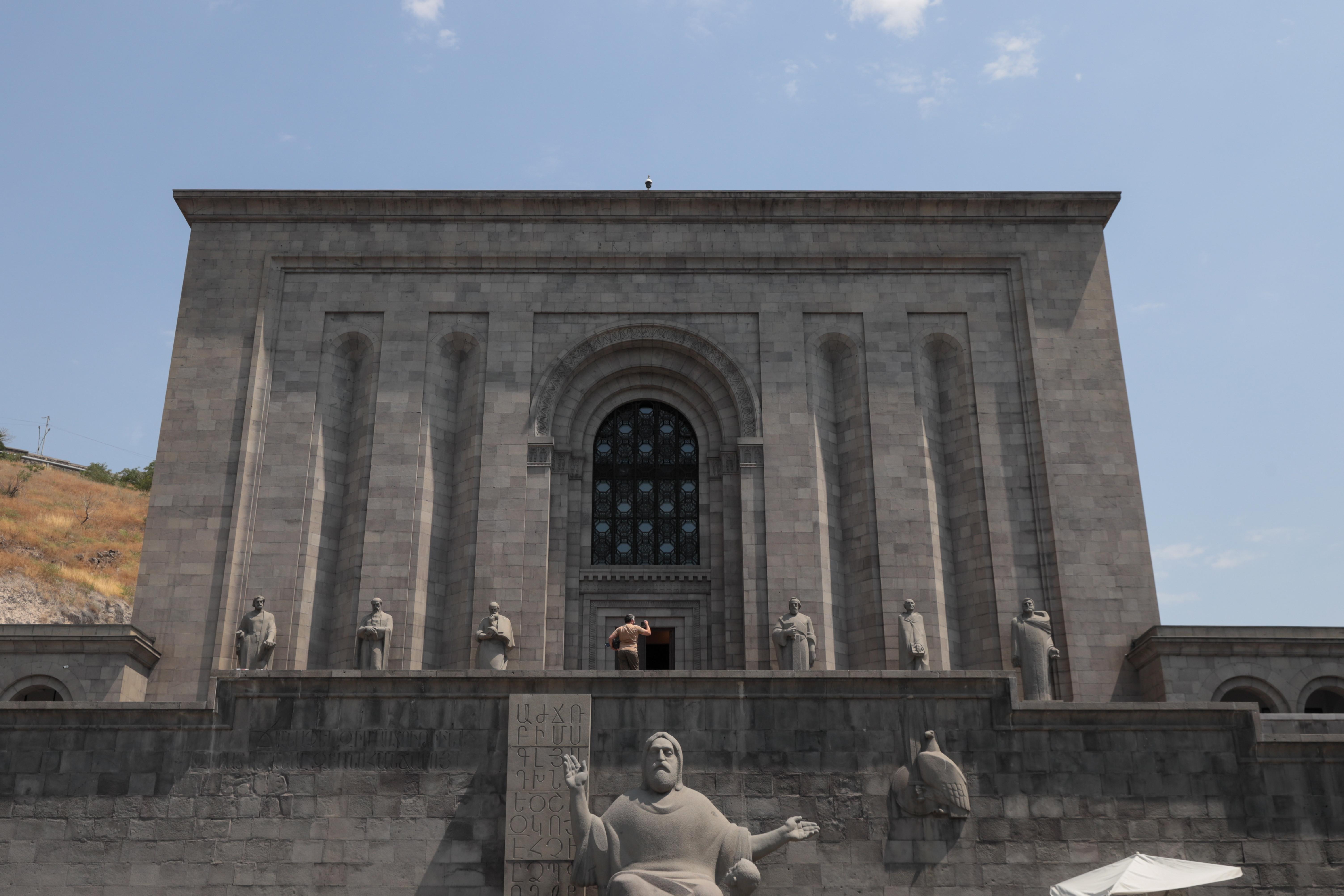
Yerevan’s Matenadaran Book Depository Expands its Collection
By Anton Geissler (Hetq intern)
During the opening of the exhibition 1 Year’s Eternity: Manuscript Replenishments of the Matenadaran, on July 22nd, 2026, several Armenian printed books and manuscripts were donated to the Matenadaran, the most important archive and museum for Armenian texts in Yerevan.
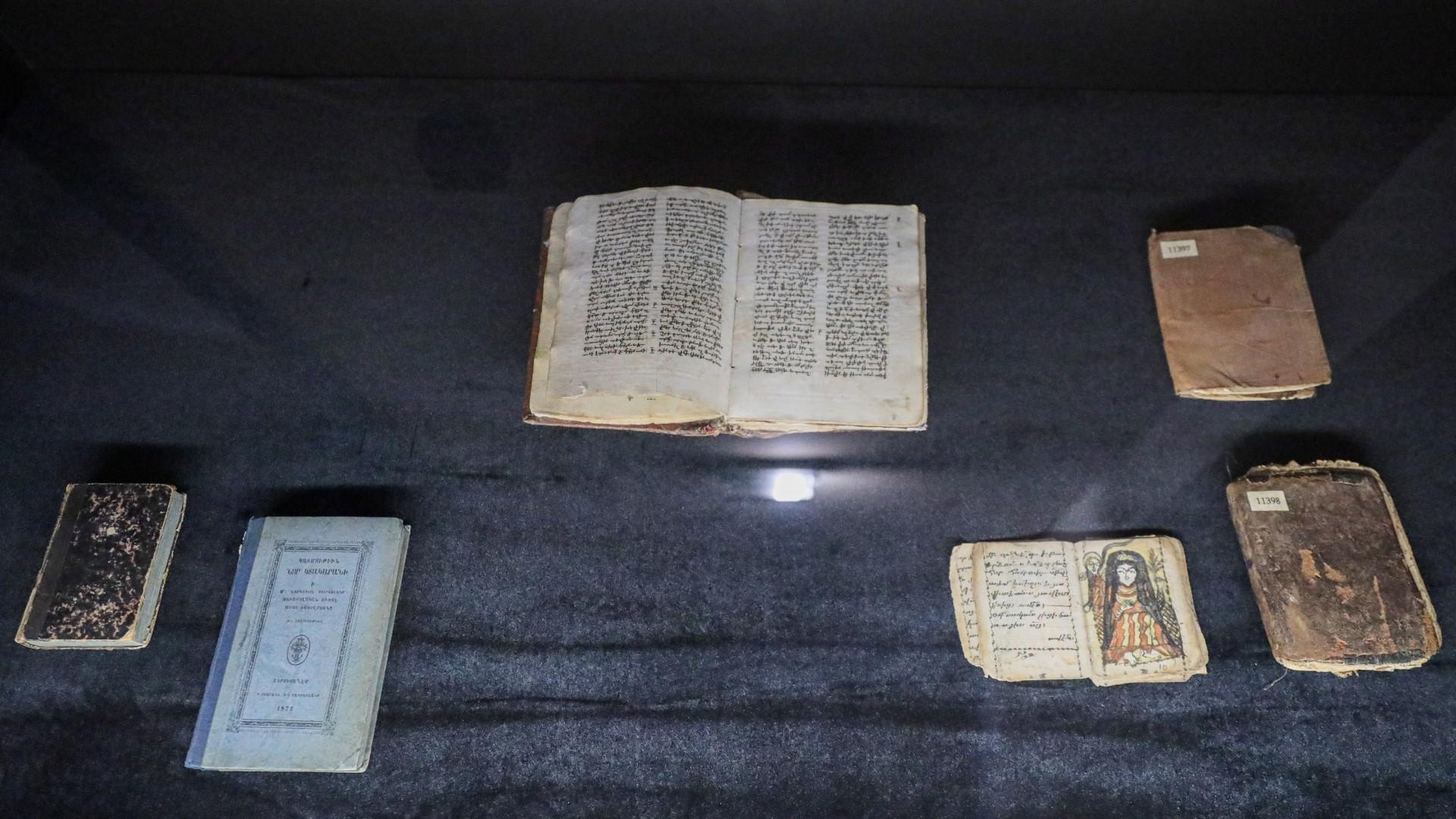
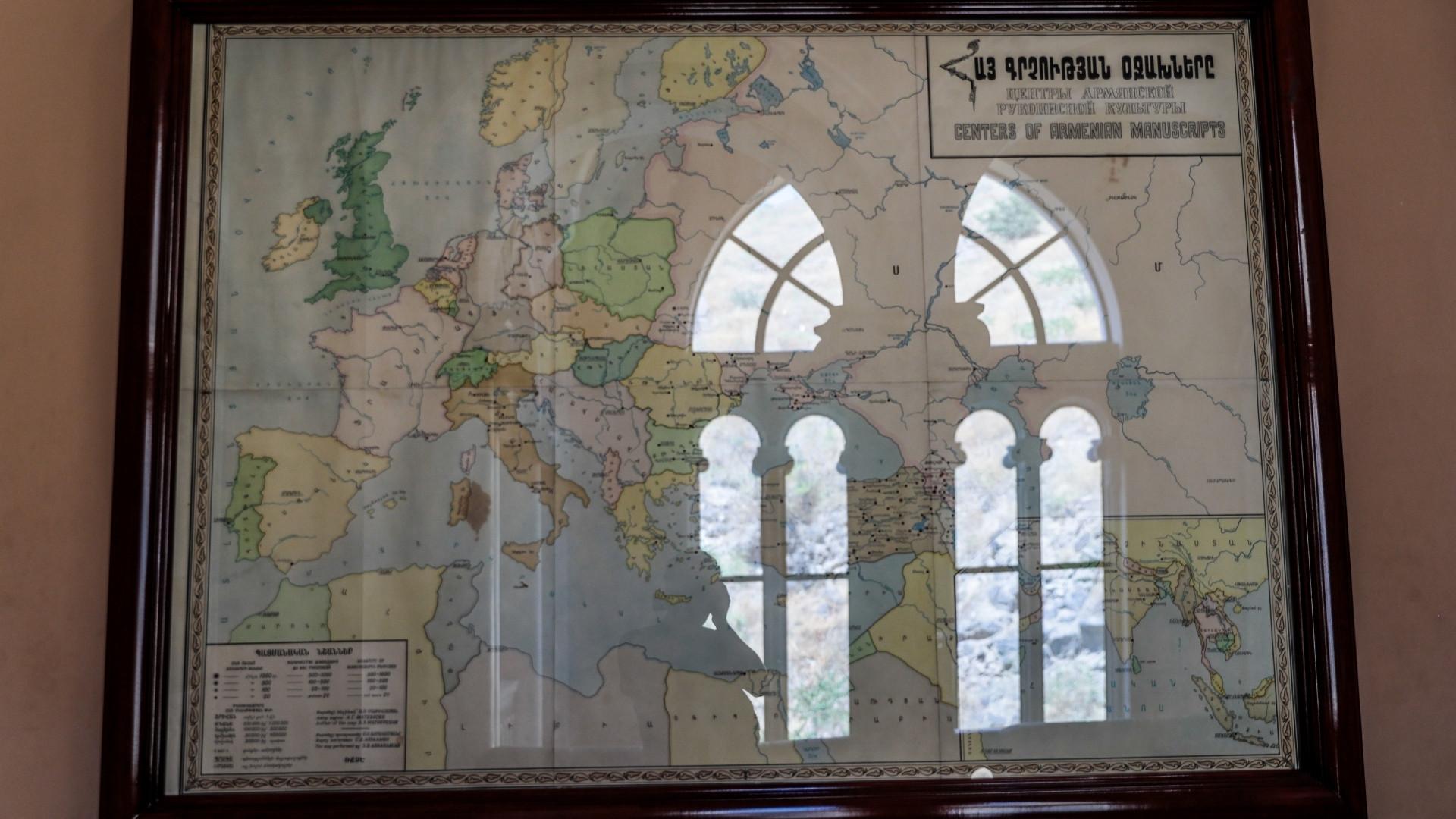
The event represents another successful step in the Matenadaran's ‘Homecoming of Manuscripts’ campaign, which aims to acquire Armenian texts from around the world.
Amongst the texts presented at the opening were a manuscript from the Keron Foundation and nine printed books, donated by the art historian Dr. Erin Piñon and her husband Dr. Borna Izadpanah, a lecturer in typography at the University of Reading.
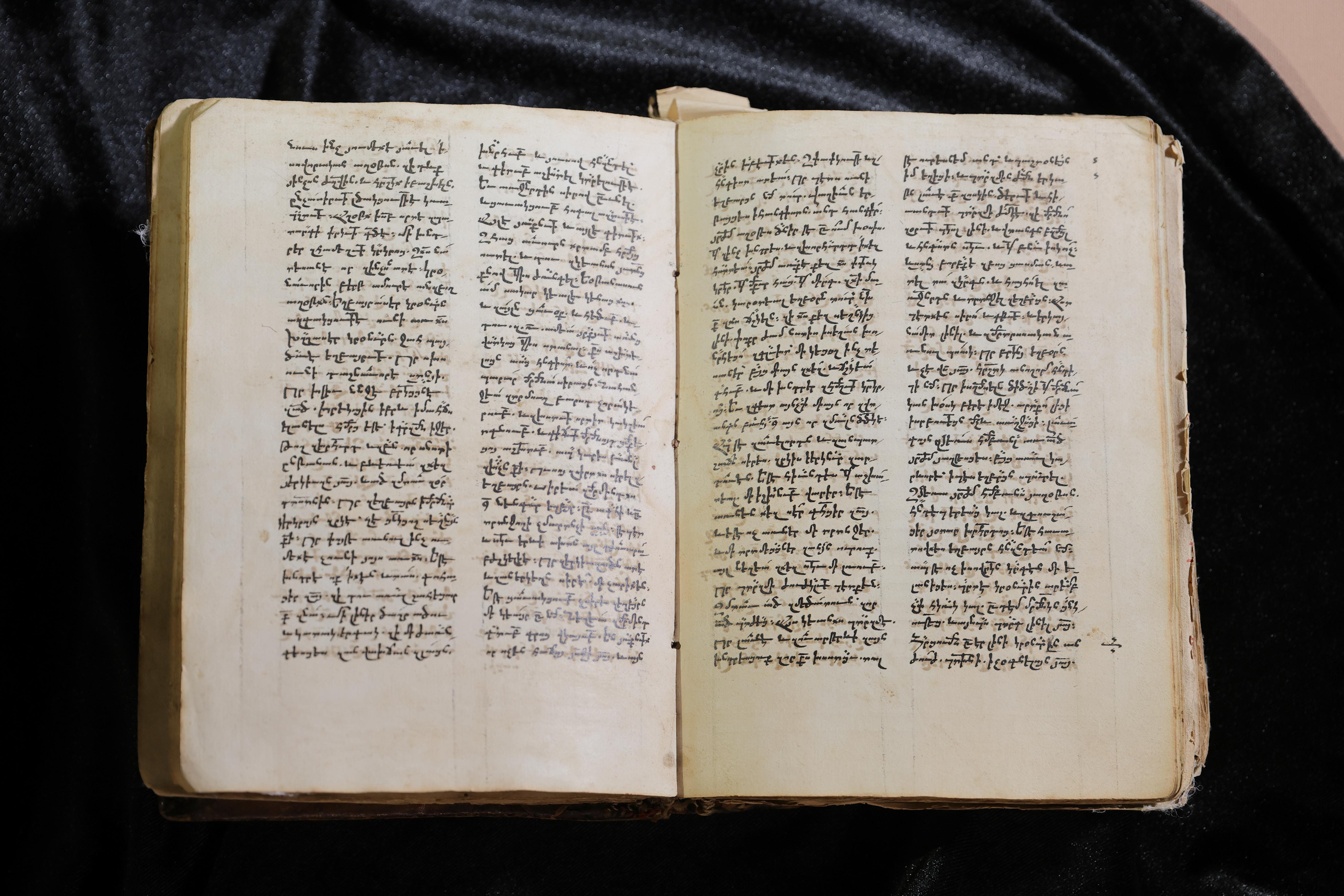
The Keron Foundation’s manuscript dates from 1672-1676 and contains a compilation of medical, historical, and religious texts.
Foundation director Vanane Ararktsyan, states that the manuscript’s “importance lies not only in its age, but also in the diversity of the material it contains.” She believes that it can give insight into how “medical knowledge, religious thought and historical memory were recorded and transmitted within the Armenian intellectual tradition.”
Piñon’s donation contains various theological texts that were printed in Istanbul, Vienna, Venice, Jerusalem, and Etchmiadzin in the second and third quarters of the 19th century.
For Piñon, each book is distinctive, and even errors such as annotations are revealing—especially in Armenian texts, where people have written in Armenian, Arabic, Russian, and other languages, allowing researchers to retrace the book’s geographic journey.
Both donations originate from the collection of the Hrant Samuelian oriental bookstore in Paris, which Piñon describes as “a place of pilgrimage,” and Ararktsyan as a “center of Armenian Intellectual and cultural life.”
The bookstore, founded by Hrant Samuelian in 1930, was run by his children until 2016. When it was announced that the collection would be auctioned off in 2025, there were concerns that the unique centre of Armenian heritage would be dispersed throughout the world and be lost to researchers.
Piñon attended the auction online and bought multiple lots of books, one of which she donated to the Matenadaran. She considers them of importance, not only for their content, but also as part of the Samuelian collection. “It's not any copy of this book; it comes from this specific collection,” she tells Hetq.
The Keron Foundation’s collection also comes from the Samuelian bookstore. Wilco Wealth Management was able to acquire multiple printed books and manuscripts, which they subsequently donated to the foundation. Later, Matenadaran experts were allowed to select the text they considered most significant.
Speaking with Hetq, Emma Horopyan, the head of the Matenadaran’s PR department, states that these texts were “coming back to their own country,” emphasising that the library was the safest place for the cultural heritage to be protected and preserved.
Both parties agree with Horopyan’s characterisation of the library. Ararktsyan, praises the Matenadaran and believes that when Armenian manuscripts are brought to the country, they are “reconnected with the linguistic, cultural and academic environment in which it can be studied most comprehensively.”
“For us, homecoming is not only the physical return of an object. It also represents the return of knowledge, context and public meaning,” she tells Hetq.
For Piñon, however, the motivation was personal, as she studied material in the Matenadaran collection for her master’s thesis and PhD dissertation, and wanted to give back to the institution. She also sees Armenia as unusually accessible to researchers, unlike the EU and U.S., where visa rules and costs can be “prohibitively expensive.”
Still, the Matenadaran’s language of “homecoming” and “repatriation” may be problematic for texts that did not originate within modern Armenia’s borders.
Piñon’s husband, Izadpanah agrees that it is “natural for these books to be housed in Armenia, because they are in Armenian language,” but poses the question of whether the texts belong to the geography they come from or the linguistic community. “Thinking of repatriation can be slightly dangerous. Some material may be in Armenian language, but they actually belong to another geography.”
The exhibition has been running since 2024 and, in its third year, has prompted donations of 115 texts. Most notably, in 2025, the Armenian government purchased and donated Sargis Shnorhali’s Commentary on the Seven Catholic Epistles, a 13th- or 14th-century manuscript valued at US$ 250,000.
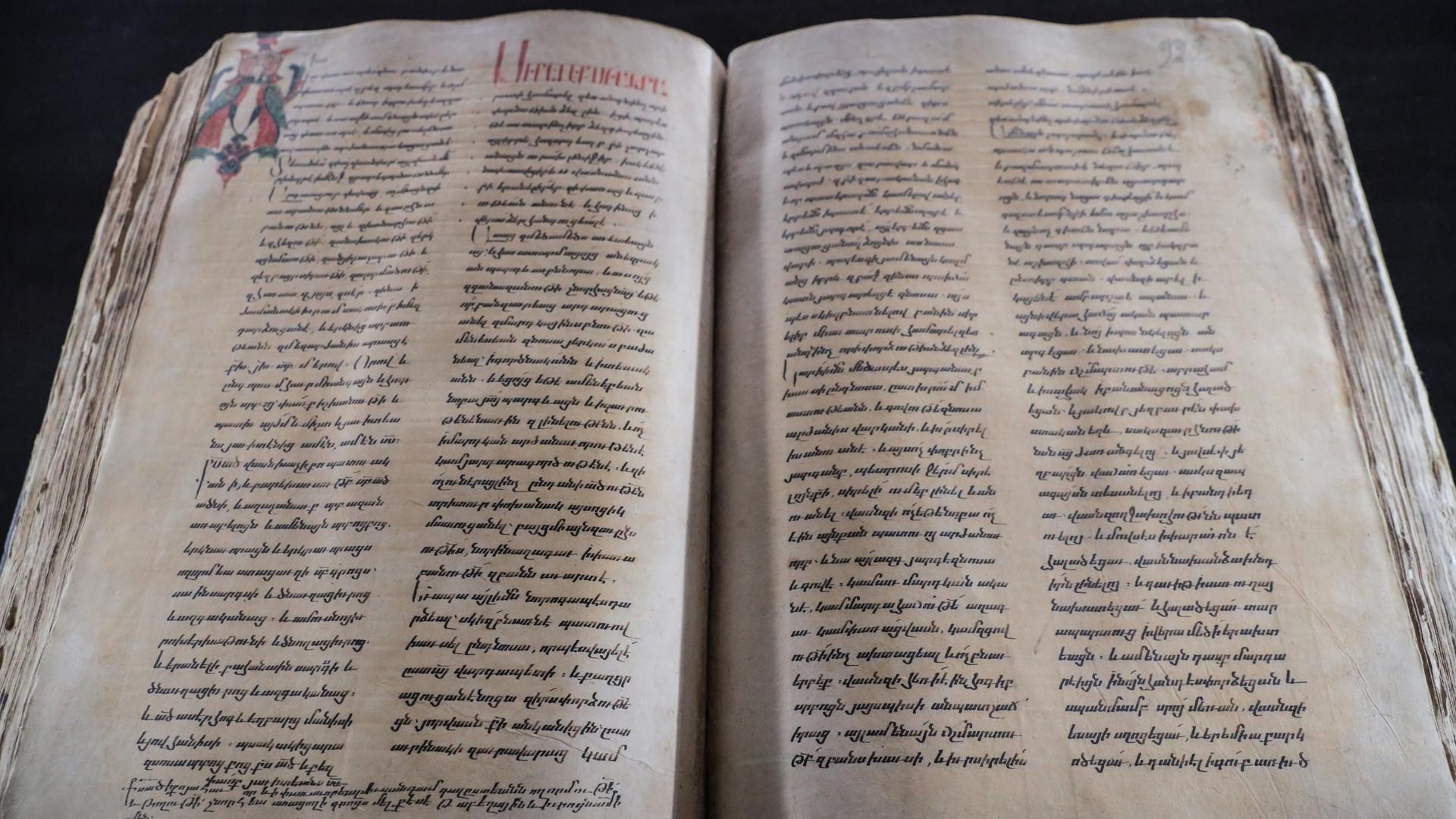
Following this year’s donation, others have again been inspired. The Russian film director Mikhail Melik-Agamalov, recently donated a late 19th century edition of Псалтирь (psalms), while Piñon states that a Welsh friend of hers plans to donate her texts from the Samuelian bookstore later this year.
After the exhibition closes, the manuscripts and printed books will be sent for up to six months to a special facility for restoration before they are digitalised. This last step will ensure the texts’ wider dissemination and preservation, making them more accessible to future generations.
Write a comment