 Videos
 Photos


A Homeland Without Medicine: Healthcare Gaps Dash Diasporan Armenian's Dream of Return
By Anton Geissler (Hetq intern)
In 2024, Lily Grigoryan, a diasporan Armenian from the United States, relocated to Armenia with plans to permanently resettle.
Her transition strategy included volunteering for Birthright Armenia to build professional contacts within her field of healthcare. However, her plans were cut short after she was diagnosed with two debilitating autoimmune diseases, Rheumatoid Arthritis and Sjogren's syndrome, which ultimately forced her to return to the U.S. for medical care.
Grigoryan tells Hetq how she had to abandon her dream to live in Armenia as essential drugs were unavailable or difficult to find.
Of the list of ten medicines that she needs to continue living normally, only three are easily available in Armenia.
Metformin and Spironolactone are readily available at pharmacies and are even included under the government’s new Universal Health Insurance program.
However, other medicines, classed as essential by the WHO and the Armenian Medical Products Regulatory Authority, are difficult to find in Armenia.
While Plaquenil and Clonazepam are included under Armenia’s Universal Health Insurance, the program’s website offers no evidence that they are actually stocked. Grigoryan adds that they are sometimes prescribed, but not readily available.
Similarly, Grigoryan told Hetq that during her time in Yerevan in 2026, she could locate only a single pharmacy that stocked Dutasteride. The medication cost AMD 20,000, and she remained uncertain about whether the pharmaceuticals were authentic or counterfeit.
Other medicines, such as Enbrel, Finasteride, Oral Minoxidil, Trintellix, and Adderall are not registered or stocked in Armenia.
Grigoryan tells Hetq that without these medicines she cannot perform basic motor functions such as walking or talking.
Some of these drugs are illegally imported and sold on the black market, as Hetq has previously reported. However, Grigoryan says that this is not a viable alternative as many of her medicines are injections and need to be stored at specific temperatures.
To secure her necessary medications, Grigoryan explored alternative options—such as traveling monthly to Greece or Georgia, or having prescriptions shipped by mail from the United States—but ultimately decided against them due to a lack of reliability.
Many of these medicines are unavailable in Armenia due to cost. Hetq has previously reported that many importers of drugs do not consider Armenia profitable due to its small market.
Grigoryan adds that Trintellix and Adderall are not registered due to the stigma surrounding mental health in Armenia. These medicines are used to treat depression and ADHD. Adderall is also a controlled substance, making its possession highly illegal. “I think that Armenia’s attitude towards mental health causes a lot of people to suffer,” Grigoryan tells Hetq.
She and a friend with similar conditions are currently exploring options to return to Armenia.
“I think that there are a lot of diasporans whose dream is to go back. It is a sad reality to accept that the one thing that is holding me back from my dream is that Armenia does not have the healthcare I need.”
For Grigoryan, the lack of medicines in Armenia prevents her from fulfilling her dream. For Armenians living in the country, the current situation is a nightmare they cannot escape.
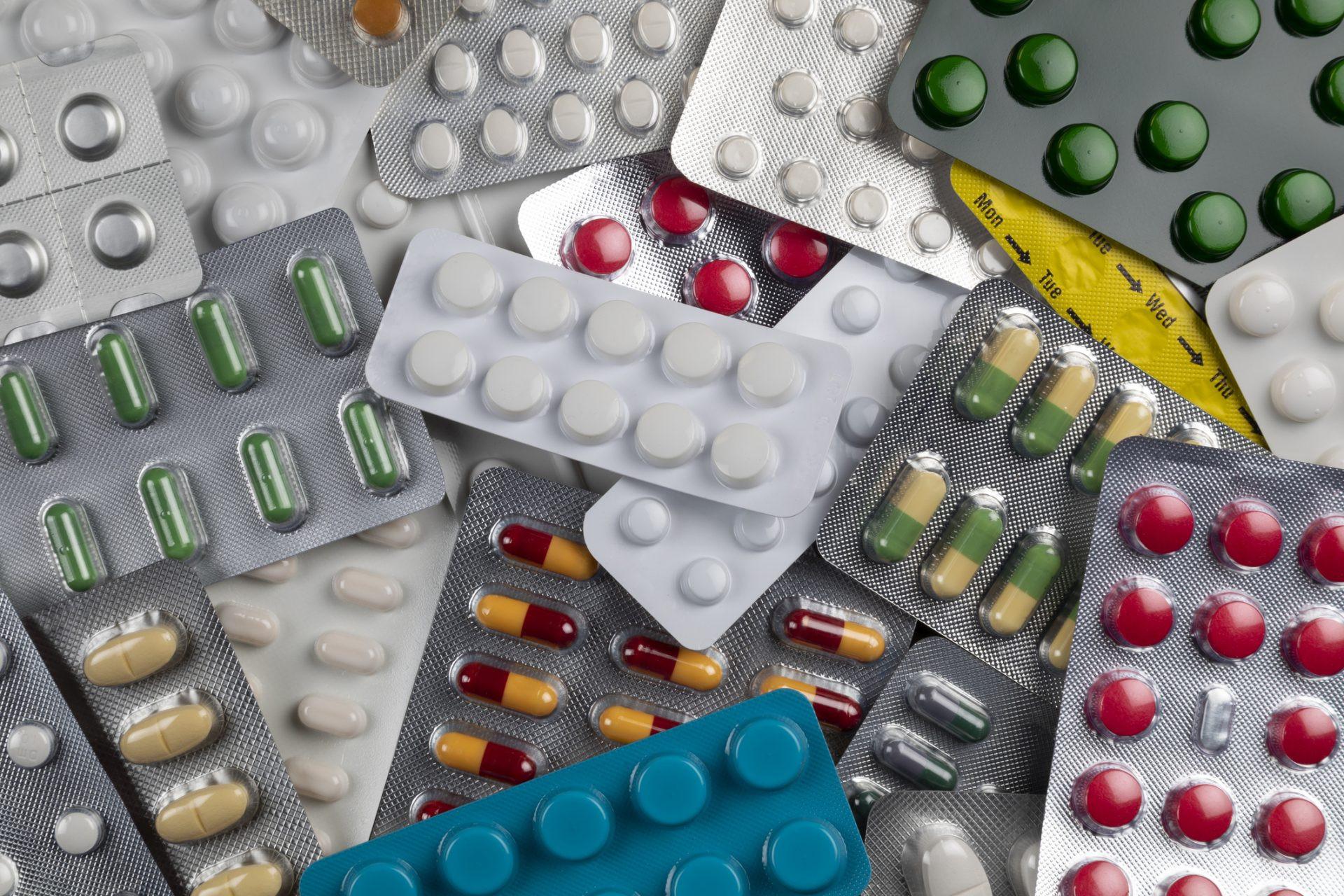
Photo: Open Access Government, 2024
Comments (1)
Write a comment