 Videos
 Photos


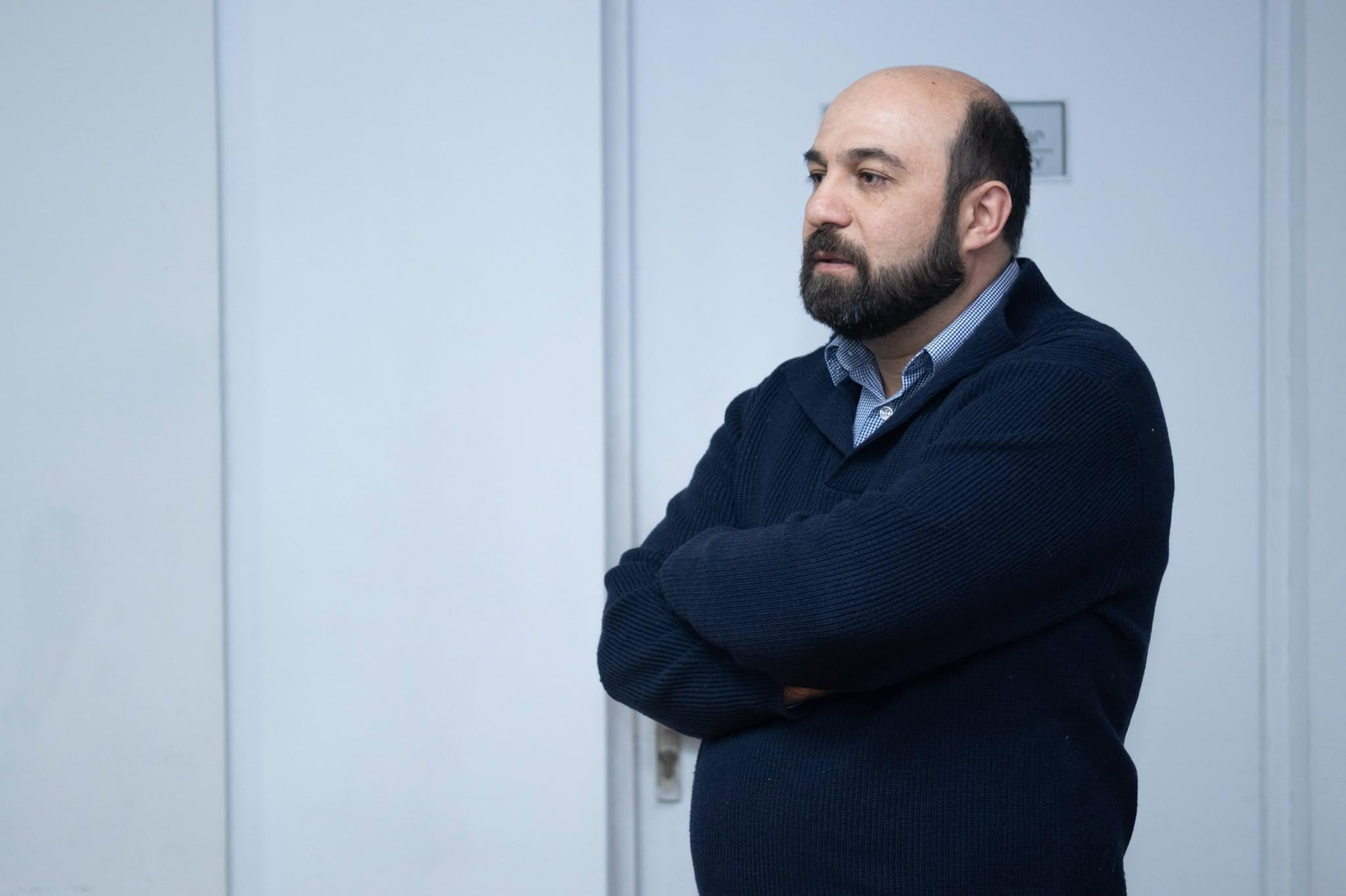
Guardians of Antiquity: How Crisis and Collaboration are Reshaping the History Museum of Armenia
Museum Director Davit Poghosyan talks to Hetq about navigating war and pandemic, shattering conservative academic molds, and striking historic partnerships with the British Museum and the Louvre to put Armenian heritage on the global stage.
When Davit Poghosyan assumed the role of Director of the History Museum of Armenia in 2020, he was handed a legacy of over 400,000 artifacts —and a compounding series of historic crises.
Appointed in the middle of a global pandemic that had shuttered the museum, Poghosyan’s initial plans for systematic development were immediately upended. Just two days after a brief post-pandemic reopening, the building was forced to close again for vital ventilation and climate control renovations. Then, the Artsakh War erupted. Construction crews abruptly left the museum to head to the frontlines, and Poghosyan found himself coordinating the largest preservation operation in the museum’s modern history, prepping 10% of the entire collection for emergency evacuation.
"I realized I had to shift from the development concept I had originally presented to crisis management," Poghosyan recalls.
Yet, even while the physical museum doors remained locked between 2020 and 2022, the institution refused to go silent. The museum pivoted to external venues—such as hosting a traditional costume exhibition in the adjacent former Ministry of Foreign Affairs building—and sent a major international exhibition to the Netherlands, which was later crowned the country's "best exhibition of the year". Today, with over 80% of the exhibition spaces successfully reopened, the museum is finally transitioning from survival to a bold, public-facing revival.
Breaking the Academic Mold
For decades, the History Museum operated under a conservative, Soviet-era philosophy, viewing its role strictly through a scientific and academic lens. Poghosyan’s modern vision is intentionally disruptive: he wants an open, responsive institution driven by public education. To achieve this, the museum has rolled out age-tailored educational tracks, public lecture series, and aggressive exhibition scheduling.
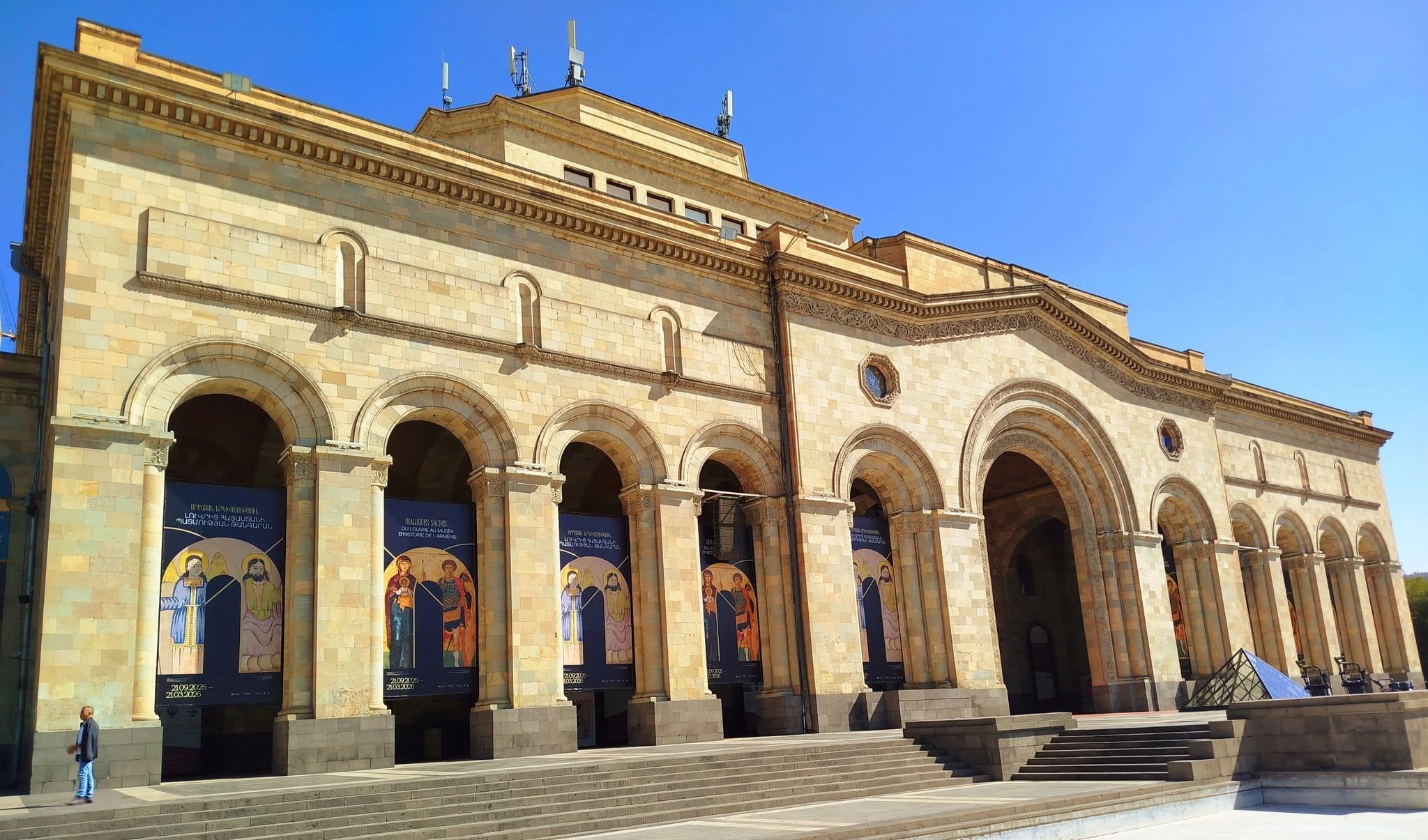
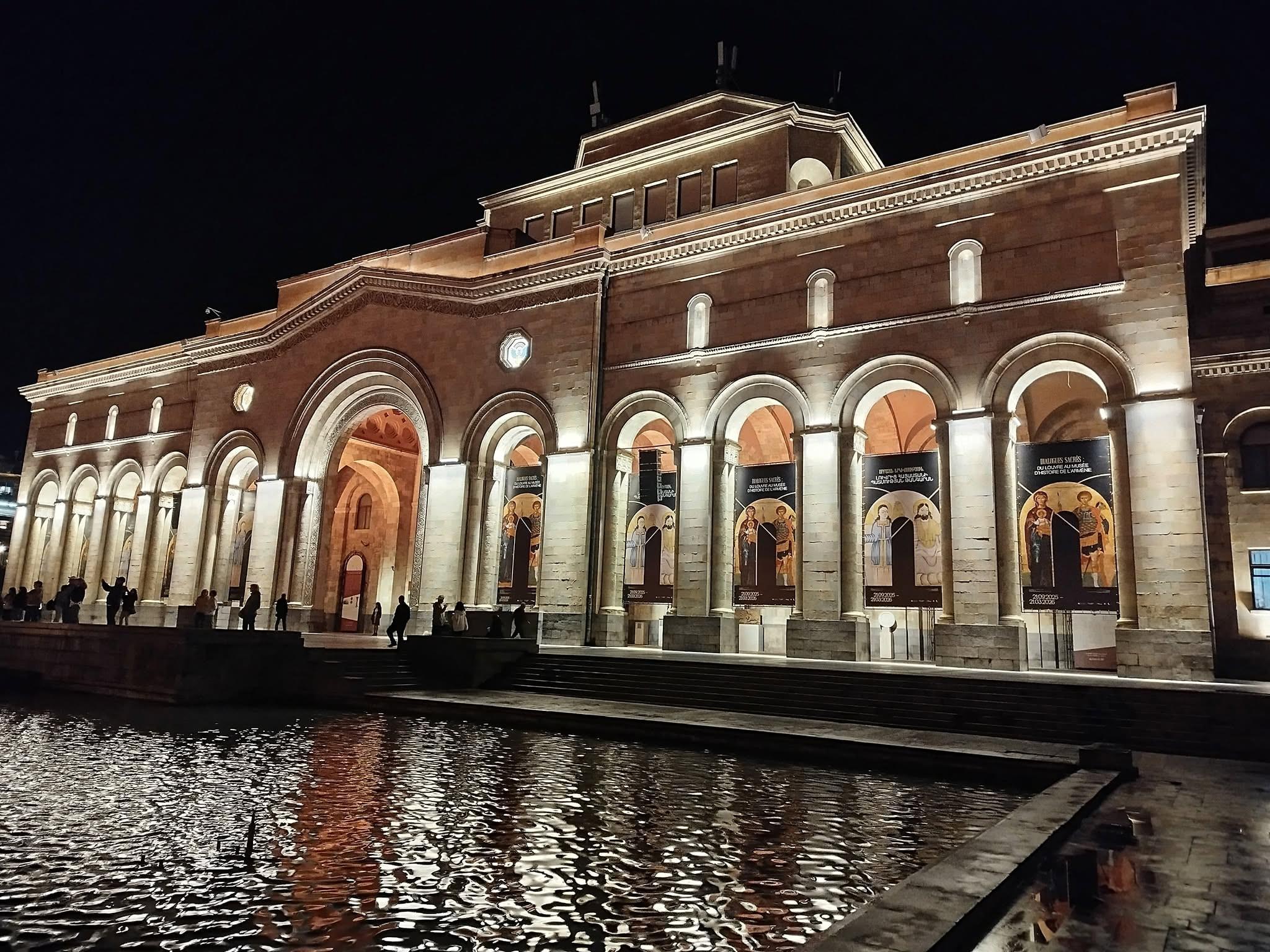
This institutional evolution required deep structural changes. Poghosyan established entirely new departments dedicated specifically to development, marketing, and educational programming. The museum's responsibilities also expanded overnight when the government merged four regional branches into its network: the Sisian History Museum, the Hrazdan Local History Museum, the Orbeli Brothers Museum, and the "Mother Armenia" Military Museum. Many of these branches had remained virtually unchanged since the Soviet era and are now undergoing rigorous modernization.
However, growth has brought structural bottlenecks to the surface. The museum's staffing levels are critically stretched; currently, a single curator can be responsible for managing upwards of 70,000 exhibits. The physical infrastructure is also under pressure. Sharing an entrance with another national museum inside the Republic Square complex often leaves tourists confused about which institution they are entering. Furthermore, a modern museum requires spaces for leisure, yet the building currently lacks an on-site café, dedicated children's play areas, and a spacious souvenir shop. When massive crowds arrive for events like "Museum Night," the limited 2,000 square meters of exhibition space quickly becomes congested.
To remedy this, Armenia’s Ministry of Education, Science, Culture, and Sport has launched an architectural design competition to expand and enhance the premises near Republic Square. Poghosyan’s goal is to shift public habits, dreaming of a steady daily flow of 1,000 to 1,500 visitors, where locals make up at least 20% of the crowd and incoming tourists comprise 50%.
Unlocking the Vaults Through Digital Innovation
With over 400,000 items in its repository, the museum faces a universal curatorial dilemma: how do you showcase a nation's entire history in a limited space? Historically, certain eras were neglected. During the Soviet era, collecting materials was heavily filtered through an ideological lens, and the economic hardships of the 1990s left deep historical gaps. Consequently, little remains at the museum from the brief two-year existence of the First Republic of Armenia (1918–1920) —artifacts from that era remain scattered across global Armenian diaspora communities or locked in political archives.
Curators are currently working to gather these fractured materials as they prepare to reopen the permanent exhibition. But even for the artifacts already in the museum's possession, physical space dictates that only about 4,000 of the best pieces can be displayed at any one time. Poghosyan notes that many items are mere fragments, making isolated physical display pointless, though they remain vital for scholarly research.
To bridge the gap between academic completeness and public access, the museum is turning to technology.
"As a specialist, I am inclined toward displaying as much as possible," Poghosyan says. The museum is actively building an online collections portal on its official website. Additionally, over 40,000 items—more than 10% of the museum's entire holdings—have already been digitized and uploaded to the Ministry of Culture’s unified museum platform, allowing global researchers instant access to Armenia's treasures.
A New Era of Global Diplomacy
The year 2024 marked a fundamental shift in how the museum engages with the international community. Rather than settling for simple artifact exchanges, the museum successfully introduced a highly collaborative exhibition model.
The breakthrough occurred during a partnership with the British Museum, which had borrowed three Armenian artifacts for a major exhibition in London. One of those pieces—a rare, ritual bear-shaped vessel excavated in Artashat—was displayed directly alongside the British Museum’s famous bronze statue of the Armenian goddess Anahit. Standing before the display at the London opening, Poghosyan pitched a daring idea to the director of the British Museum: bring the goddess Anahit home to Yerevan.
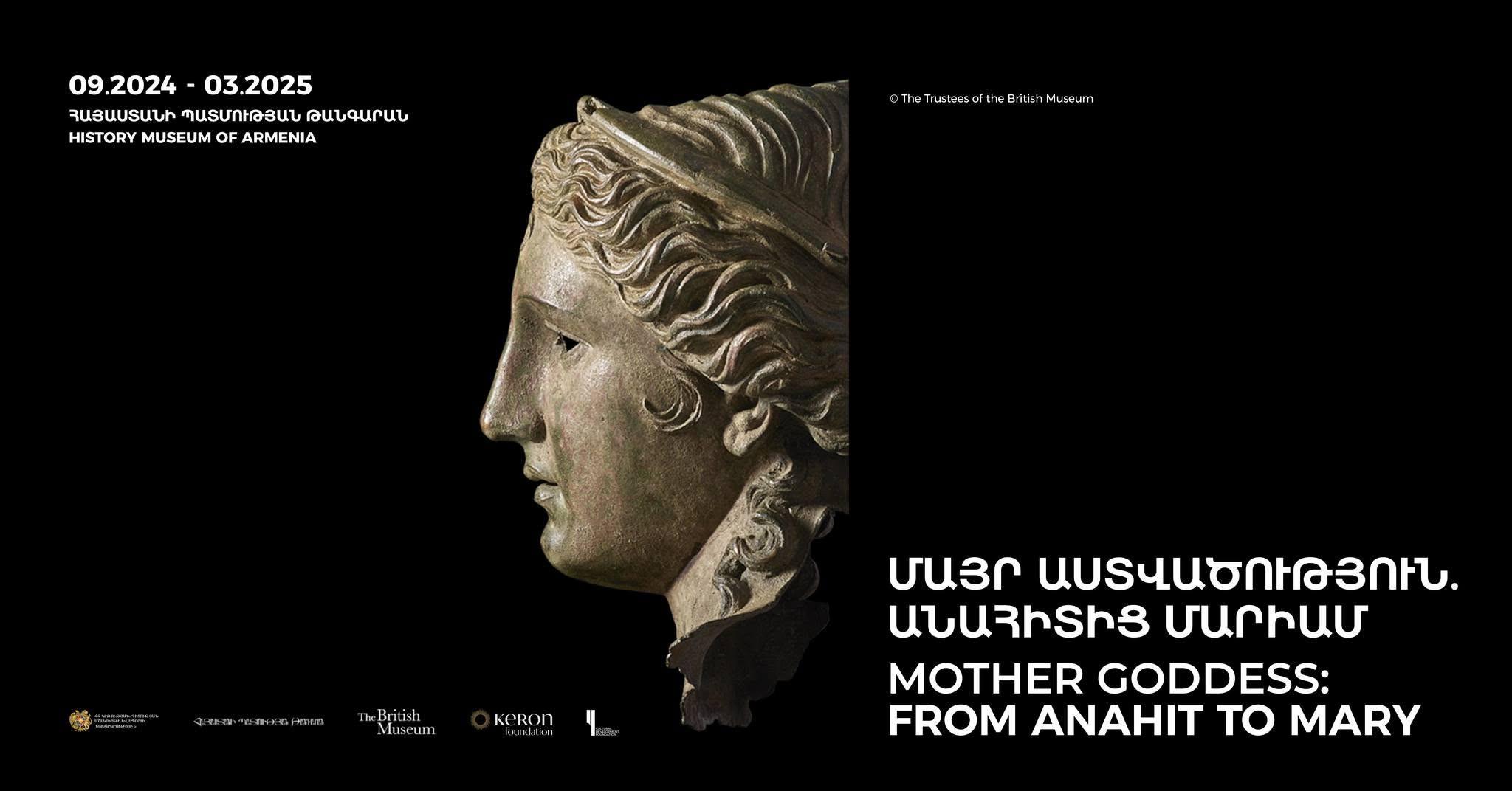
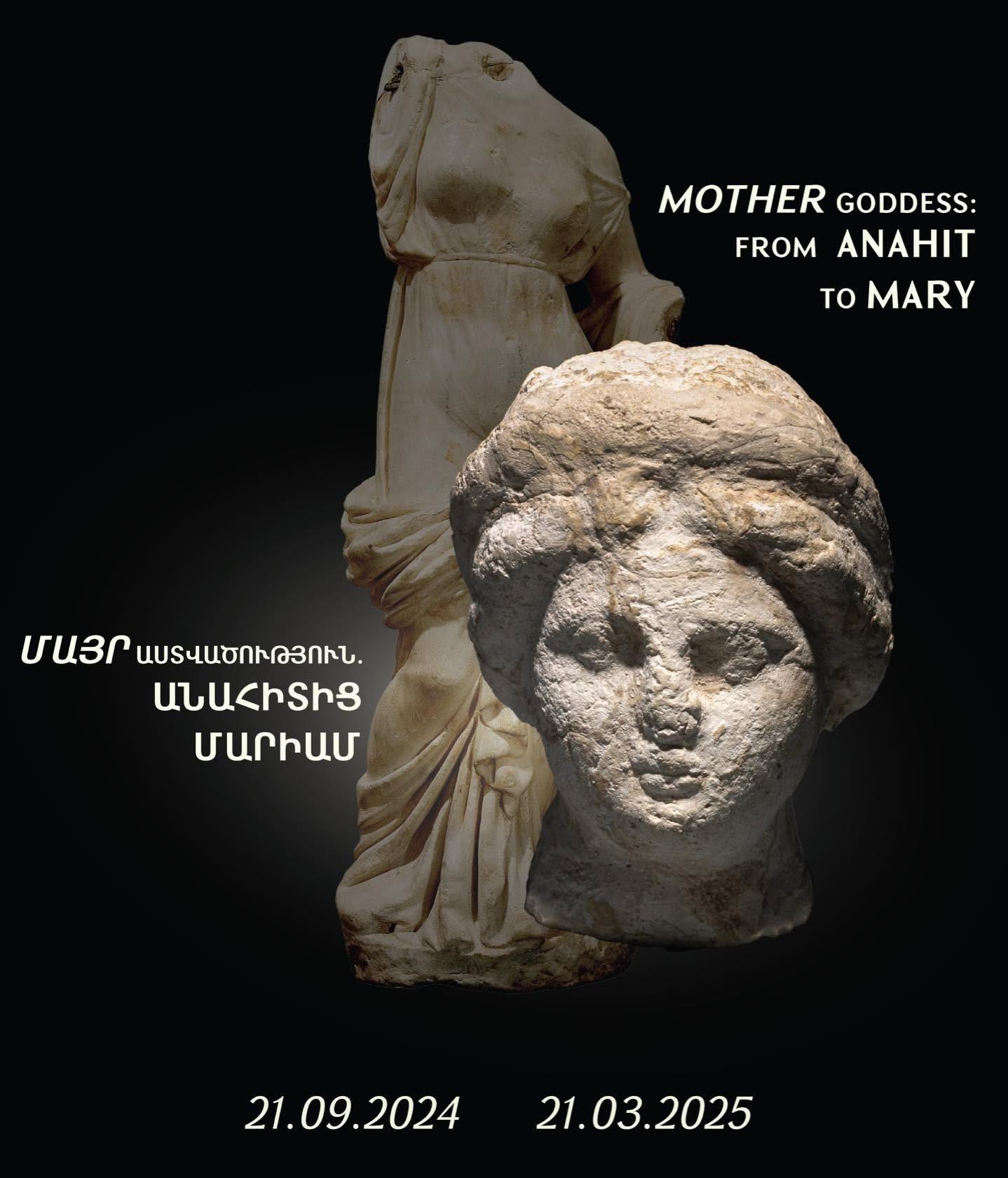
Though the exhibition curator warned it would be nearly impossible, the dream materialized into a landmark thematic exhibition built around the concept of motherhood, fertility, and abundance, uniting the British Museum's statue with indigenous artifacts excavated from Armenia's ancient capital.
This success sparked a chain reaction. For three consecutive years, the museum has timed blockbuster international collaborations to coincide with Armenia’s Independence Day. Currently, the museum is hosting over 50 priceless cultural artifacts from Berlin’s prestigious Museum Island. In an unprecedented move, six distinct Berlin museums chose Yerevan as the exclusive foreign destination to celebrate the 200th anniversary of their museum complex.
Learning from the Best to Fill the Gaps
Poghosyan is entirely candid about the fact that entering elite cultural circles requires a willingness to learn. The museum has recently signed formal memoranda of understanding with global titans, including the Louvre, the British Museum, Berlin’s Museum Island, and the National Museum of China.
These partnerships are being used to directly address critical gaps in domestic conservation expertise. For instance, Armenia lacks a dedicated specialist in ancient leather to preserve the world’s oldest shoe, which is housed in the museum's collection. To address this, the museum brought in experts from the Aleppo Archaeological Museum to collaborate with local staff, even transporting the ancient footwear to a local hospital for specialized X-ray analysis to confirm its stable condition.
Similarly, a conservation specialist was brought in from the Netherlands to consult on five highly valuable wooden artifacts recovered from the Lchashen burial site, paving the way for an Armenian specialist to receive advanced training abroad.
By transforming international partnerships into opportunities for technical training, the History Museum of Armenia is doing more than just displaying the past. Under Poghosyan’s guidance, it is building a modern, world-class institution capable of preserving Armenia's cultural legacy for generations to come.
Write a comment