 Videos
 Photos


COP17 First Week Outcomes: Armenia Advances Accords on AI Biosecurity, Gender Financing, and Massive Lake Sevan Restoration
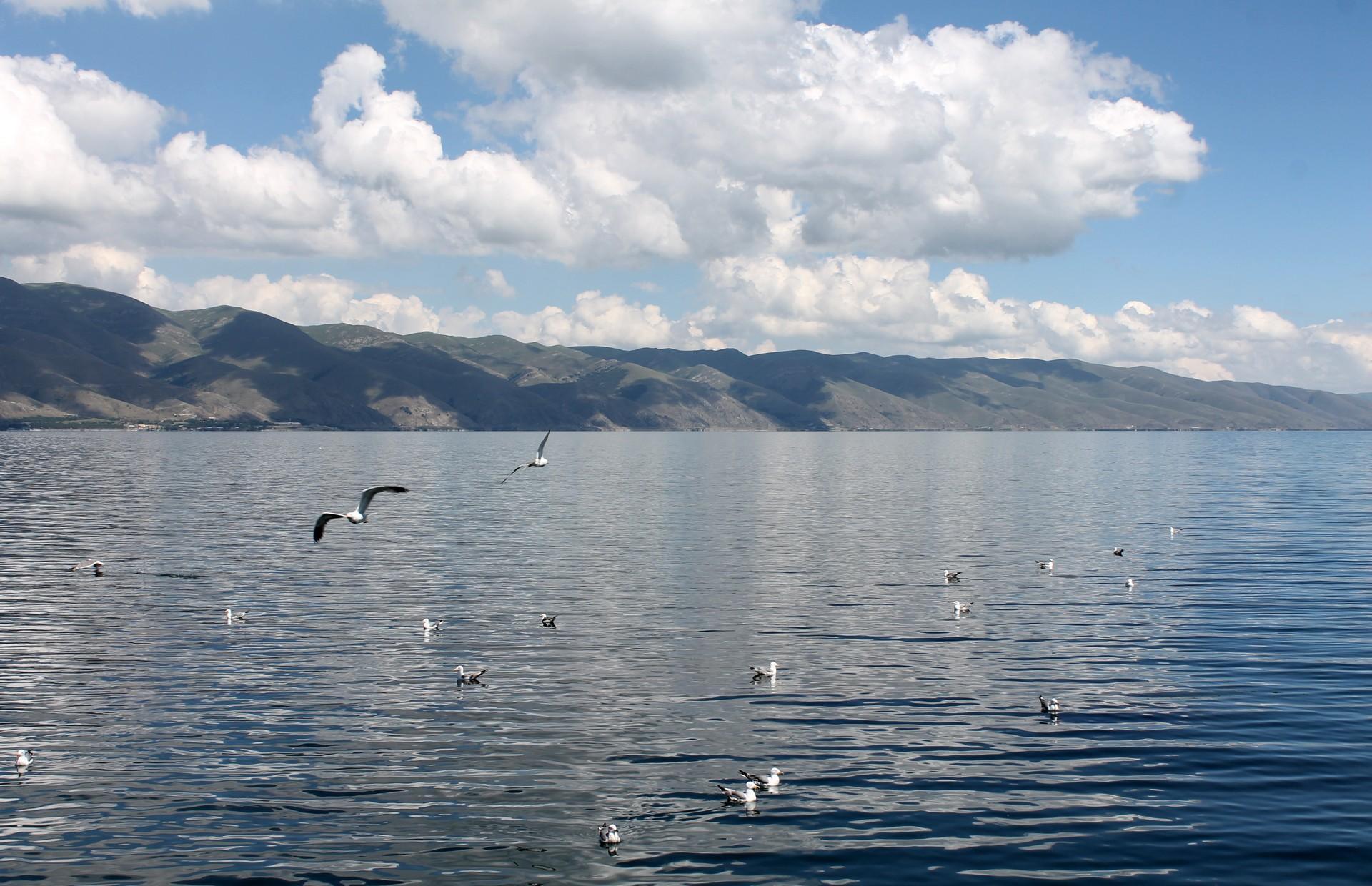
YEREVAN — As the UN Biodiversity Conference (COP17) continues in the Armenian capital, the first week of negotiations has concluded with historic pacts. Beyond global advancements in education and biosecurity, member states adopted key updates to global gender action plans, finalized enforcement decisions under the Cartagena and Nagoya protocols, and secured nearly US$3 million in international funding for two newly approved restoration projects targeting Armenia’s critical freshwater gem, Lake Sevan.
€1.53M and $1.4M Pledged to Restore Lake Sevan
Two separate major conservation programs were greenlit to accelerate ecosystem recovery at Lake Sevan and Sevan National Park:
- EU-Funded Ecosystem Project: Announced on October 23, the European Union will provide €1.53 million for a three-year initiative implemented via the United Nations Development Programme (UNDP) and Armenia’s Ministry of Environment. The project focuses on strengthening biodiversity monitoring, improving fish stock management, restoring critical riverbeds for the reproduction of the endemic Sevan trout (ishkhan), evaluating forest health, and upgrading the park’s forest nursery.
- GEF-Backed Park Restoration: Announced on October 25, the Global Environment Facility (GEF) approved a $1.4 million USD grant for a comprehensive restoration program. Developed by the Ministry of Environment with the support of the Asian Development Bank, this project aims to reverse habitat degradation, modernize park management, and scale up biodiversity tracking.
- Community-Led Conservation: Within the financial framework, approximately US$300,000 is allocated exclusively for local community initiatives, allowing villages to build sustainable, eco-friendly income streams tied directly to nature preservation.
Gender Equity and Direct Women-Led Financing
Delegates advanced social equity frameworks by adopting a draft revision of the Gender Action Plan (2023–2030). The plan mandates that member states integrate gender-responsive approaches into all biodiversity initiatives. To track compliance, countries are expected to improve the collection of data disaggregated by gender and age, with a final performance review slated ahead of COP19. Crucially, international financial institutions—including the GEF—are urged to establish simplified application and disbursement procedures to fund women-led environmental projects directly.
Enforcement of Cartagena and Nagoya Protocols
Negotiators finalized ten major decisions to strengthen the Convention's associated legal frameworks:
- Cartagena Protocol: Eight decisions were adopted to tighten the practical application of global biosafety rules. Countries are pressured to submit compliance reports on time and bolster national capacities to detect and identify living modified organisms (LMOs).
- Nagoya Protocol: Two decisions concerning compliance and reporting were adopted without amendments on October 23. The protocol, which governs fair and equitable sharing of benefits from genetic resources, now requires states to establish concrete national regulations and publish all verification data to the international Access and Benefit-Sharing Clearing-House.
AI Biosecurity, Education, and Data Equity
These protocols complement foundational week-one agreements on digital and educational equity. The conference presented a voluntary Global Action Programme on Biodiversity Education, developed with UNESCO, to embed environmental conservation directly into national school curricula.
To bridge the technological divide for developing nations, the Secretariat was tasked with using artificial intelligence to optimize data searches and improve online reporting tools. Furthermore, delegates backed proposals to leverage AI and the cross-sectoral "One Health" approach for the early detection and tracking of invasive alien species spreading via global e-commerce and international trade networks.
Write a comment