 Videos
 Photos


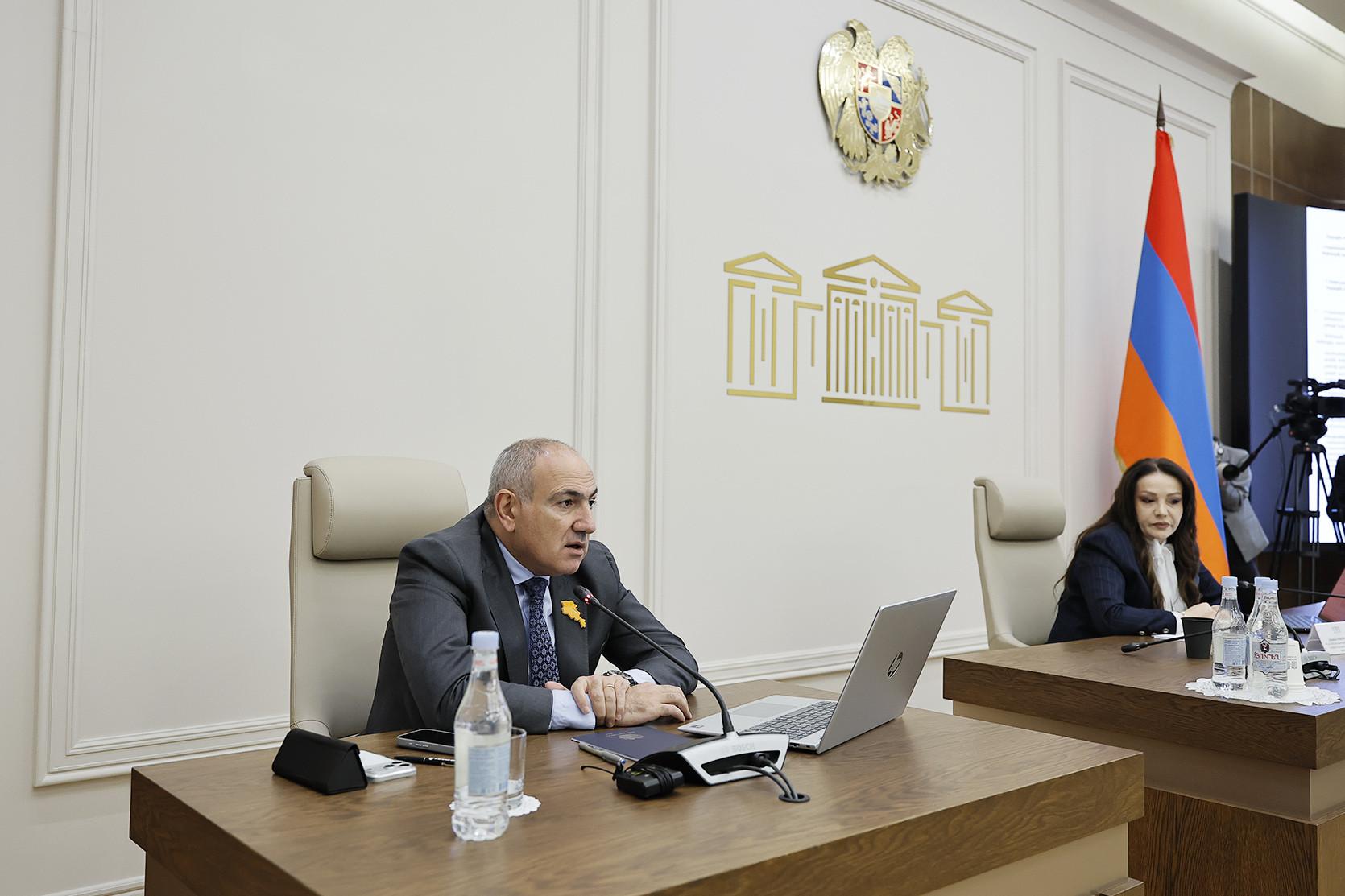
Pashinyan Announces Comprehensive Infrastructure Push and Constitutional Timeline to Unblock Armenia
YEREVAN — Speaking before the National Assembly on Monday, Armenian PM Nikol Pashinyan announced the official launch of preparatory work for the Trump Route for International Peace and Prosperity (TRIPP), a massive regional infrastructure initiative designed to end Armenia's decades-long physical isolation.
The announcement, delivered during the opening day of preliminary discussions on the draft 2027 state budget, outlines a major shift in Armenia’s logistical and constitutional strategy.
Unblocking the Region
The TRIPP project targets the construction of the critical Nrnadzor-Karchevan railway, alongside upgraded electricity transmission lines and a major highway network. Located in the southernmost Syunik Province along the Arax River border with Iran, this track traces a defunct Soviet-era railway route that has been completely out of service since 1989. Its revival serves as a logistically crucial low-altitude corridor through an otherwise highly mountainous border region. Pashinyan emphasized that the infrastructure corridor will effectively open transportation links in all directions—both East-West and North-South—connecting Armenia to broader regional markets and ending a border blockade that has stood for over thirty years.
While Turkish President Recep Tayyip Erdoğan has expressed readiness to assist in cementing the project as a catalyst for a lasting regional peace treaty, the project faces geopolitical headwinds. The Iranian Ambassador to Armenia Khalil Shirgholami , on October 30, voiced "serious concerns" regarding the corridor's geopolitical implications, highlighting the complex diplomatic balancing act ahead for Yerevan.
Armenia has repeatedly tried to reassure Iran, creating a public disconnect between the two nations' official statements. While Armenian officials continuously declare that Tehran is fully satisfied, Iran maintains that it still requires concrete, verifiable safeguards
A New Constitutional Draft
In tandem with the infrastructure push, Pashinyan revealed that his administration plans to publish a highly anticipated draft of a new Constitution later this month.
The constitutional revision has already met with fierce resistance from parliamentary opposition alliances, including the Hayastan and Strong Armenia factions. Critics argue that rewriting the nation's fundamental law is a concession to Azerbaijani President Ilham Aliyev to secure a peace deal. Ruling party lawmakers have rejected those claims, stating a new legal framework is necessary for long-term state stability and does not compromise Armenia’s Declaration of Independence.
Addressing lawmakers directly, Pashinyan acknowledged the uncertainty of the diplomatic process, noting he cannot explicitly guarantee that Azerbaijan will sign a final peace agreement even if the new constitution is successfully adopted.
Budgetary Underpinnings
The strategic initiatives are backed by an aggressive fiscal expansion. The proposed 2027 budget projects state revenues to reach 3.604 trillion drams (approximately US$10 billion)—a 114% increase from 2021 levels. The fiscal plan allocates 614 billion drams specifically to national defense alongside major funding increases for capital expenditures, education, and health insurance reforms.
Write a comment