 Videos
 Photos


New York Artist Seeks to Educate and Inspire with Photographic Work at Genocide Sites.An Interview with Julie Dermansky
By Jason Sohigian, Special exclusive to Hetq Online and Armenian Weekly
The photographic work of artist Julie Dermansky first caught my attention in a 2005 feature article in the New York Times, “An Artist Determined to See the Grimmest of Tourist Sights.” At the time she was visiting sites around the world for her project, “Mankind’s Monuments to Barbaric Acts and Other Unusual Vacation Destinations.”
She had a tragically long list of these sites, and I asked Julie if she was planning to visit the Genocide Memorial in Yerevan on the day of April 24, when hundreds of thousands of Armenians pay their respects to the victims of the 1915 genocide. She planned to go but the project was put on hold when she got the opportunity to shoot Tulane University’s Museum of Natural History. I received periodic updates about her work from New Orleans, and she was in touch recently about her plan to go to Yerevan on April 24, 2008.
Jason Sohigian: Why are you traveling to Armenia this month?
Julie Dermansky: I have chosen to go to Armenia at this time to photograph the Tsitsernakaberd Memorial on April 24--Armenia’s Genocide Remembrance Day--to include in my collection of photos of dark tourism sites.
JS: What is “dark tourism”? Does this have a large following?
JD: Dark tourism is travel to sites, attractions, and exhibitions that deal with death, suffering, and the macabre. Genocide memorials fit into this category. People have always been drawn to such places, but recently the number of visitors to these sites has increased dramatically. Auschwitz is Poland’s most visited site and Nanking’s Museum in China gets up to 50,000 visitors a day. Ground Zero in New York receives up to a million tourists a year, and its official museum has yet to be built. Tour companies have picked up on this trend and are organizing trips. You can take a tour of the spots hit hardest by Hurricane Katrina in New Orleans, or sign up for the Mission Impossible tour in Sarajevo, which takes you to historically important sites from World War I to the present.
JS: What has been the response of other communities to your work in dark tourism and genocide memorials?
JD: I donated usage of my photos to Franco Kanbima, the director of the Kigali Genocide Memorial in Rwanda, to supplement his educational programs. He told me having images from other genocide sites would benefit their programs greatly.
Some people I met while traveling are sorry to have their country known for a horrible event such as genocide and are defensive about their county’s heritage when I explain the purpose of my visit. They want to make sure I am visiting other places their countries are noted for. But I believe history cannot be separated from a place and it is important not to whitewash it.
JS: Do you think some victim groups may think you are objectifying and getting some kind of voyeuristic entertainment from their suffering?
JD: If more of us took the time to learn about ourselves in relation to the world and history, I think we would find ourselves in a different world today. One way to do this is by visiting places of historic relevance, where one can gain a deeper understanding. In many instances the visitor has a profound personal connection to the site--in others the site may awaken a greater sensitivity to international and humanitarian concerns. My images are anything but light and fluffy tourist shots. I capture the essence of the site, which often isn’t visually apparent at first.
The ethical concerns of letting people traipse through what is often considered sacred ground are outweighed by what can be gained by such visits. Granted, when turning a site of tragedy into a site that accommodates tourists, some inherent irony is unavoidably created, but that doesn’t lessen the importance of making these sites accessible. Memorial sites possess tremendous power, and even the most callous visitors tend to be affected. I create a record of what exists for those who can’t go on their own or are not even aware of the sites all over the world.
 |
 |
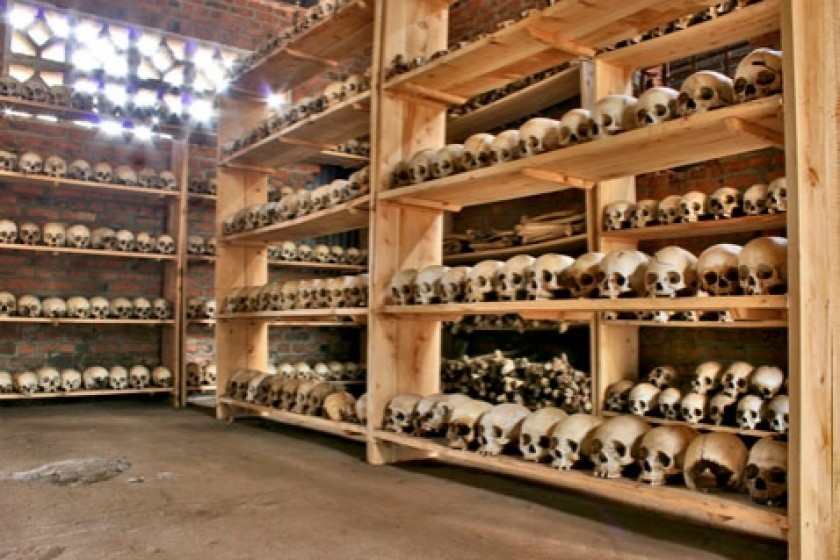
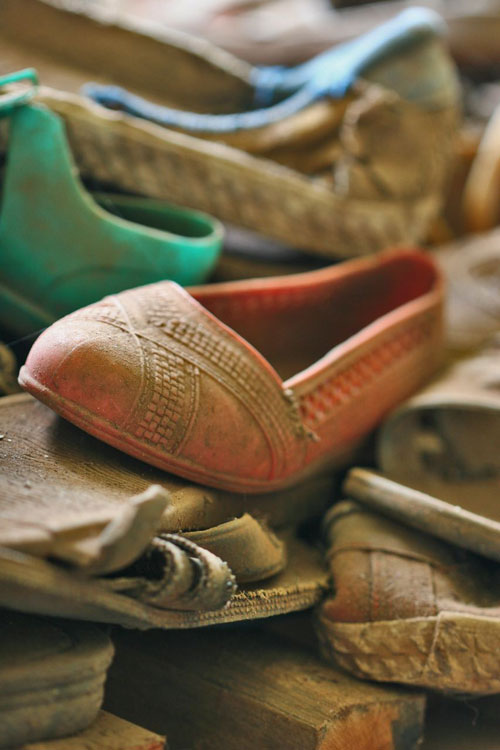
Current events come and go and history is taught in American public schools in a way in which genocides are covered in a peripheral way if at all. My photos contribute a visual record, which I believe is an important scholarly and social tool. My images illustrate the common ground found in memorial museums, which include historic evidence, human remains, clothing, shoes, glasses, and toys, driving home the point that mass murder is mass murder no matter the number of victims or the circumstances under which the slaughter took place.
My motivation is the opposite of objectifying the suffering of victims--rather I am making sure history is not forgotten. A project such as mine--since it deals with history through artistic vision--has the ability to engage people in a dialogue about genocide they might ordinarily shy away from.
JS: Where else have you traveled for this series?
JD: I have traveled to Cambodia’s Killing Fields, Japan’s Hiroshima Peace Park and Museum, China’s Nanking Museum, Srebrenica in Bosnia, genocide sites in Rwanda, the site of the former US Embassy in Kenya, Robbins Island and the Apartheid Museum in South Africa, the Vietnam War Remnants Museum, Cho Chi tunnels, and the DMZ, concentration camps in Poland including Auschwitz, and Dachau in Germany.
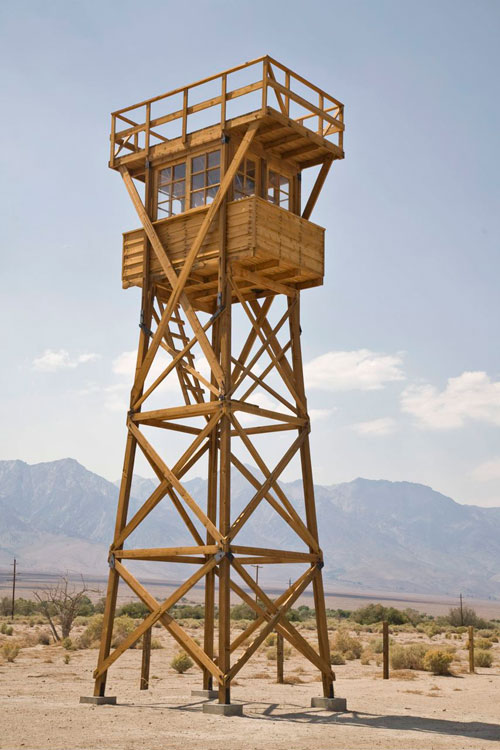
In America I have photographed the Oklahoma City Memorial and Museum at the site of the Federal Building, Ground Zero in New York, and the Manzanar relocation center and museum in California. I also plan to go to the Gulag Museum in Russia and the Museum of the Disappeared in Argentina.
JS: What else are you currently working on?
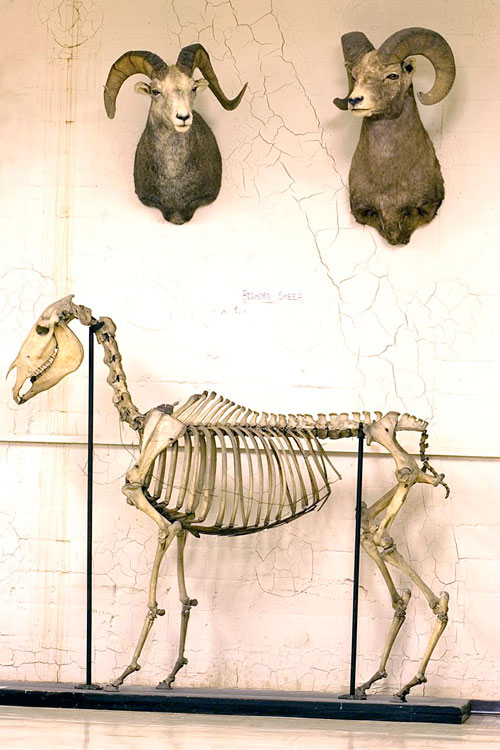
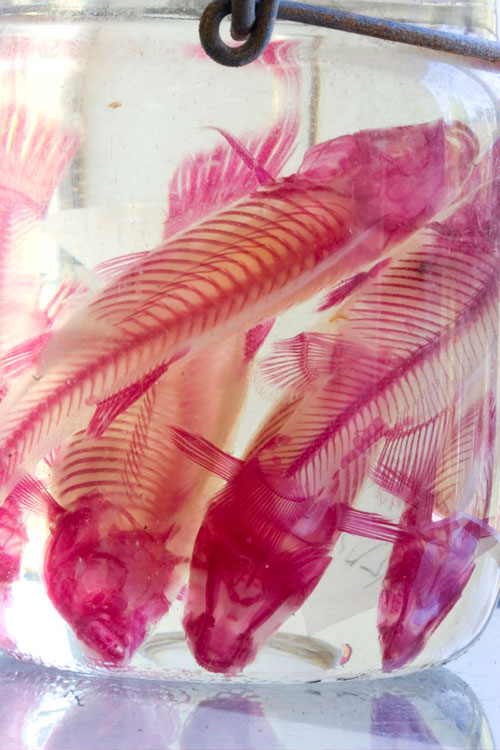
JD: I am working on a series that documents Tulane University’s Natural History collections, a body of work that stems from an ongoing series documenting natural history museums around the world. I was given permission to photograph the Tulane specimens behind the scenes. Simultaneously, I began shooting the areas of town that had been badly damaged by Hurricane Katrina in 2005. Acting as a cultural anthropologist, I collected and photographed items from condemned buildings marked for demolished, for an exhibition that will include this work with my natural history photographs.
I have incorporated images of the environment, cultural anthropology, and natural history of the region into an exhibition planned for 2010, to coincide with the opening of Tulane’s Museum of Natural History to the public. I have also lent some of the iconic post-Katrina objects I collected to Chicago’s Field Museum, along with in situ photos of the objects for their “Nature Unleashed” show opening in May.
 |
 |
JS: What are your plans for the Armenia work and related photos?
JD: I plan to include the work in my growing collections and find a publisher to help turn my project into a book so the work is accessible to a broad audience. The work will also be shown in an exhibition at the Center for Architecture in New York City this September that will focus specifically on memorial sites, and then be shown in full at University of Southern California’s Doheny Memorial Gallery in 2009.
I also plan to make pictures on behalf of various humanitarian organizations. This will be a great opportunity to learn more about Armenia and its social issues, and contribute to its culture in the way I do best, through my photos.
JS: What is your background? How did you get into photography and the arts?
JD: I’ve always been involved in the arts and I drew my earliest inspiration from New York City’s museums. I have worked with a wide range of media from welding to batik, and in college I focused on sculpture and painting and earned a Bachelor of Fine Arts degree. Throughout my career I made photos, but more for use as source material in collage or for inspiration. My interest in photography kept growing, and by 2004 I started focusing solely on photography as my medium of choice.
JS: Is any of your work in galleries or publications?
JD: Currently I have work in a group show at the Artbreak Gallery in Brooklyn and I have shown in museums and galleries in the US and abroad for more than 20 years. I will be showing my post-Katrina work at the Alliance for the Visual Arts Gallery in Lebanon, New Hampshire in June. The exhibition will be collaboration with Ann McGarrell, whose poem “Lake Side” was inspired by my photos. Media that have published my work include the Tulanian, a new magazine out of London called Wonderland, and the New York Times. Recently WWL, the CBS affiliate in New Orleans, produced a story on my work at Tulane.
JS: What is your goal or intentions for your genocide-related work?
JD: My goal is to share my work on the topic widely since I believe photographic documentation serves three valuable roles. First, a truly great photo can inspire someone. Second, documentation becomes evidence. These sites are not permanent and will crumble over time, so my photos add to the already existing evidence to counteract the genocide deniers. And third, creating an educational tool.
JS: Have you studied the history of the Armenian Genocide, and what are you expecting when you go to Armenia?
JD: I try to expect little when I go to a new place and I am open to new experiences. I have done some reading and watched a few documentaries about the Armenian Genocide but I am hardly an expert. I hope to gain insight into Armenians’ feelings about the importance of having the Armenian Genocide recognized around the world and incorporate this information into a piece I started after attending a conference at the United Nations about the difference between wartime atrocities and acts of genocide.
JS: How are you supporting this work? Are you looking for funding?
JD: I have been using my life savings to fund this project--saving I made through a craft company I created where I fabricated a line of furniture and accessories that sold in gift shops across the country. I disbanded my company n 2004 to commit to my artwork. I am looking for funding from individuals as well as corporations, and I have partnered with organizations where people can make tax-deductible contributions to fund my projects. Currently I take on commissioned work from portraits to editorial assignment work, and original prints can be purchased from my site. Readers can view my work or contact me via my web site: http://web.mac.com/jsdart/
Photos by Julie Dermansky:
(1) Skulls of genocide victims on shelves at a memorial site in Ntaramata, Rwanda
(2) Stained fish from Tulane University’s Museum of Natural History
(3) Sheep skeleton and mounts in Tulane University’s Museum of Natural History
(4) Pile of shoes in Nyrabuye, which are part of the Rwandan Genocide memorial site
(5) Sentry post at the former Manzanar War Relocation Center in California
Write a comment