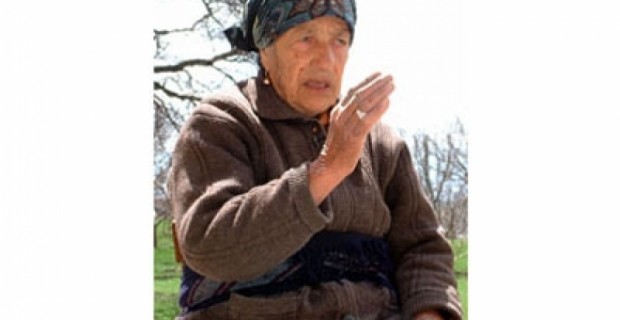
"One morning the Turk soldiers surrounded us, poured oil on us, and set us on fire. We wanted to run away, but where to? They were shooting anyone who tried to escape," Grandmother Mariam told us, recalling the Genocide. Seven years old at the time, she could not understand why they were being killed.

When Anahit Harutyunyan mentions the name of "the old country", her mute mother, Khanum Hakopyan, gets very excited. For thirteen years now, Anahit has been her mother's tongue and ears, her book of memories.
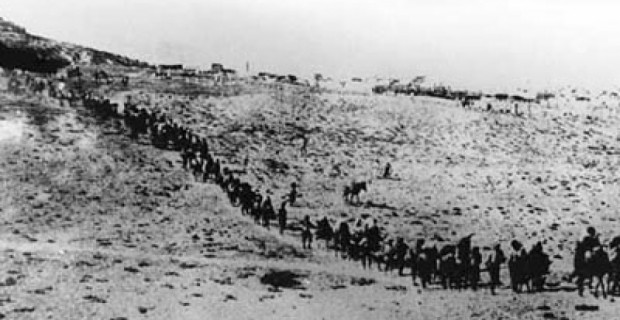
Worldwide Armenian political demands on Turkey have always included land, restitution, and Genocide acknowledgment. Over time, however, the demand for acknowledgment has eclipsed the other demands.

The mother was lamenting her child's arrival into this world. Everyone told her to leave him behind, to at least save herself. There was chaos everywhere - confusion, blood, dust.

"I am a Sassun girl," boast Grandmother Nuri, who lives in the village of Araks in Sardarapat.

"I'm black ant, and you're a red one. Now, the black ants are going to kill the red ones." "I want to be a black ant too." "You can't, because you're Armenian."

Abandoned by her husband, a single mother appears close to another nervous breakdown. Still living in one of the many metal domiks that define part of the urban landscape of Armenia 's second largest city, Gyumri, she beats her teenage daughters from time to time. Unable to find alternative means to support her family, she responds with violence when they plead with her to stop "walking the streets."

The Court of First Instance of the Kentron and Nork-Marash Communities of Yerevan has partially satisfied the claim of US citizen George Najarian, ruling to continue the criminal investigation into the case and to involve George Najarian as the aggrieved party.
 Videos
 Photos


