 Videos
 Photos


Excavations at Armenia’s Arakelots Monastery: One of Europe’s Seven Most Endangered Monuments
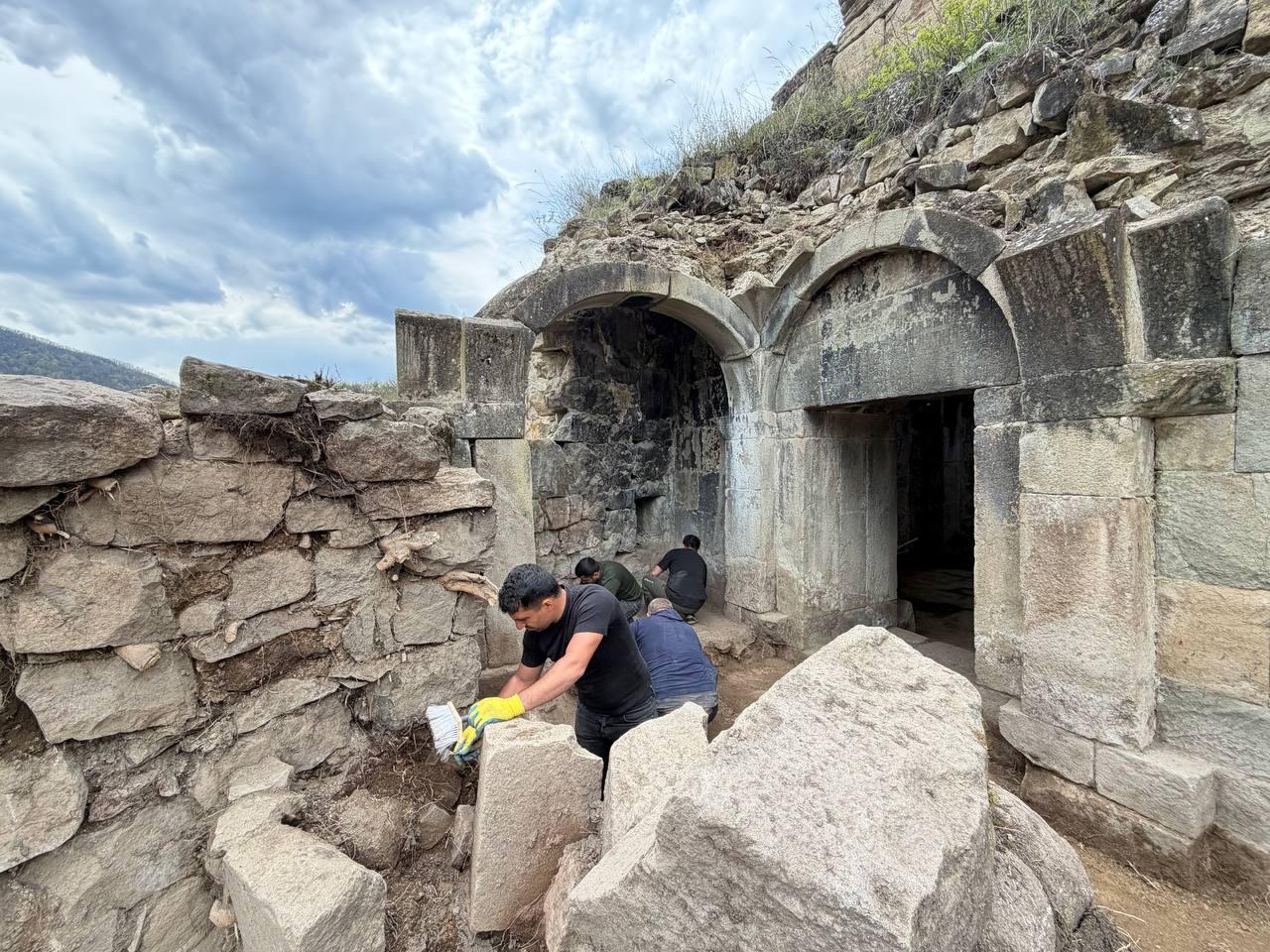
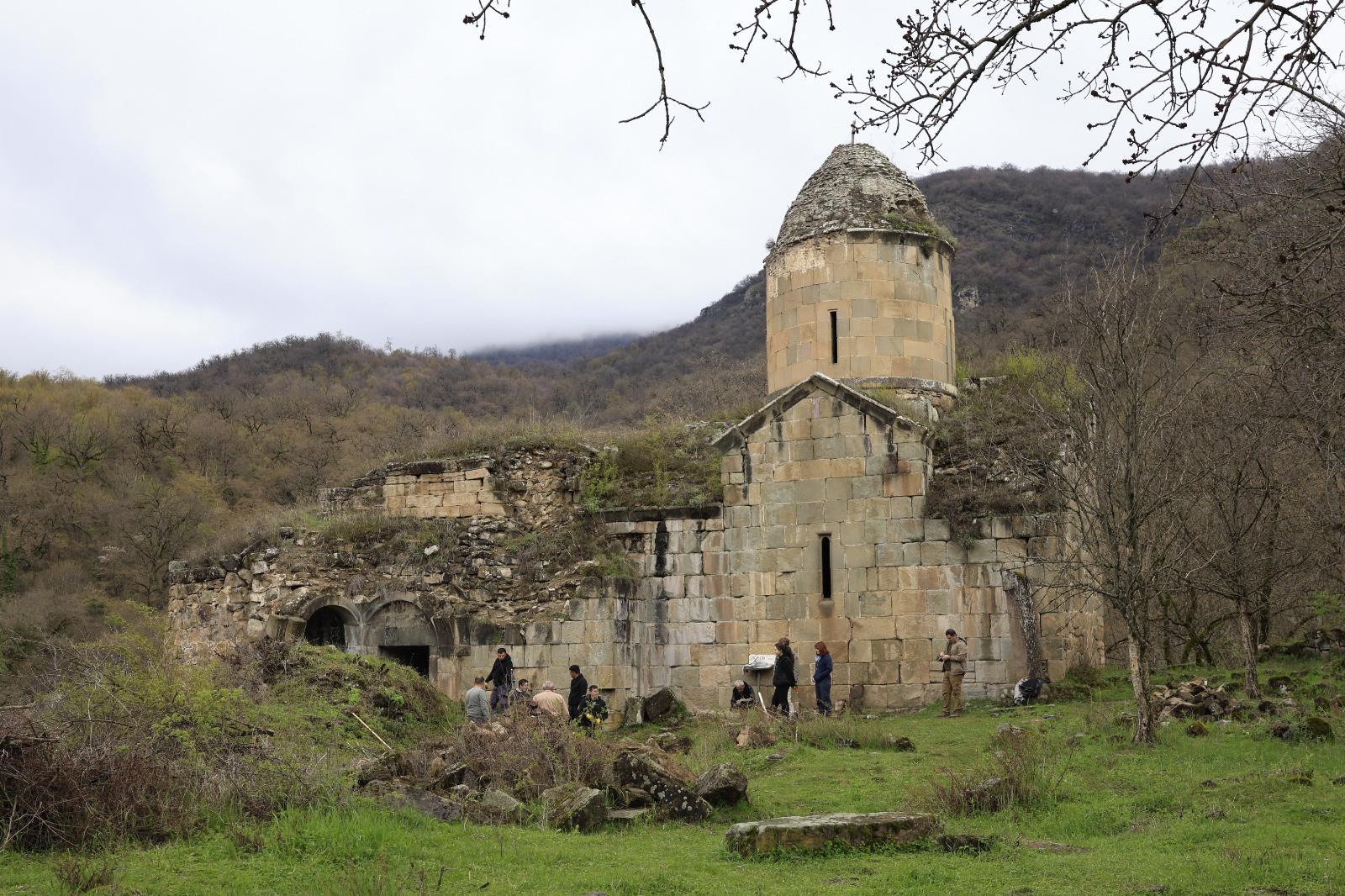
Armenian specialists, in April, conducted archaeological work on the site of the Arakelots monastery complex located near the village of Acharkut in Armenia’s Tavush Province, which has been recognized as one of the seven most endangered monuments in Europe in 2025.
Europa Nostra, the leading European heritage civil society network, and the European Investment Bank (EIB) Institute announced the news in March 2025.
The following press release announcing the seven sites illustrates the situation at Arakelots, describing it as a “gem of medieval heritage.” “Today, the Arakelots Monastery and Settlement faces significant threats. Encroaching vegetation, structural decay, and climate-related hazards, including excessive rainfall and mudslides, jeopardize its preservation. Additionally, the area’s location in a seismically active zone has left its monuments vulnerable, with visible earthquake damage to key structures. Human-made impacts, such as graffiti and the construction of two large picnic areas and a lack of formal conservation, further exacerbate the situation.”
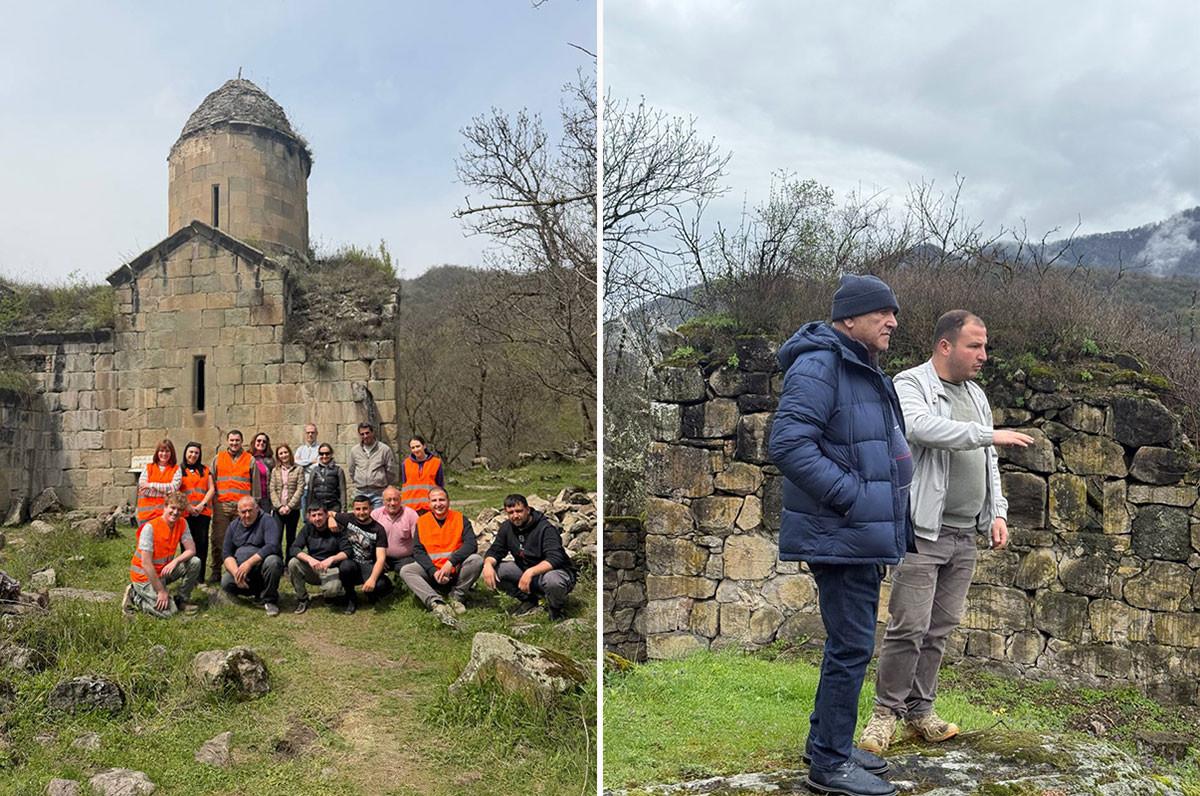
The archaeological expedition aims to reveal the still unknown pages of the monument’s history layer by layer. The team is led by archaeologist Hamazasp Abrahamyan of the Institute of Archaeology and Ethnography (IAE). Working with Abrahamyan are archaeologist and GIS specialist Artyom Ananyan and architect Gayane Rkoyan from the same institute.
The application to include the monastery complex and the settlement in the Europa Nostra program was submitted on the initiative of Jasmine Dum-Tragut, an Armenologist at the University of Salzburg. She is the head of the Arakelots research program. Part of this research are the excavations that the scientists of the IAE are conducting.
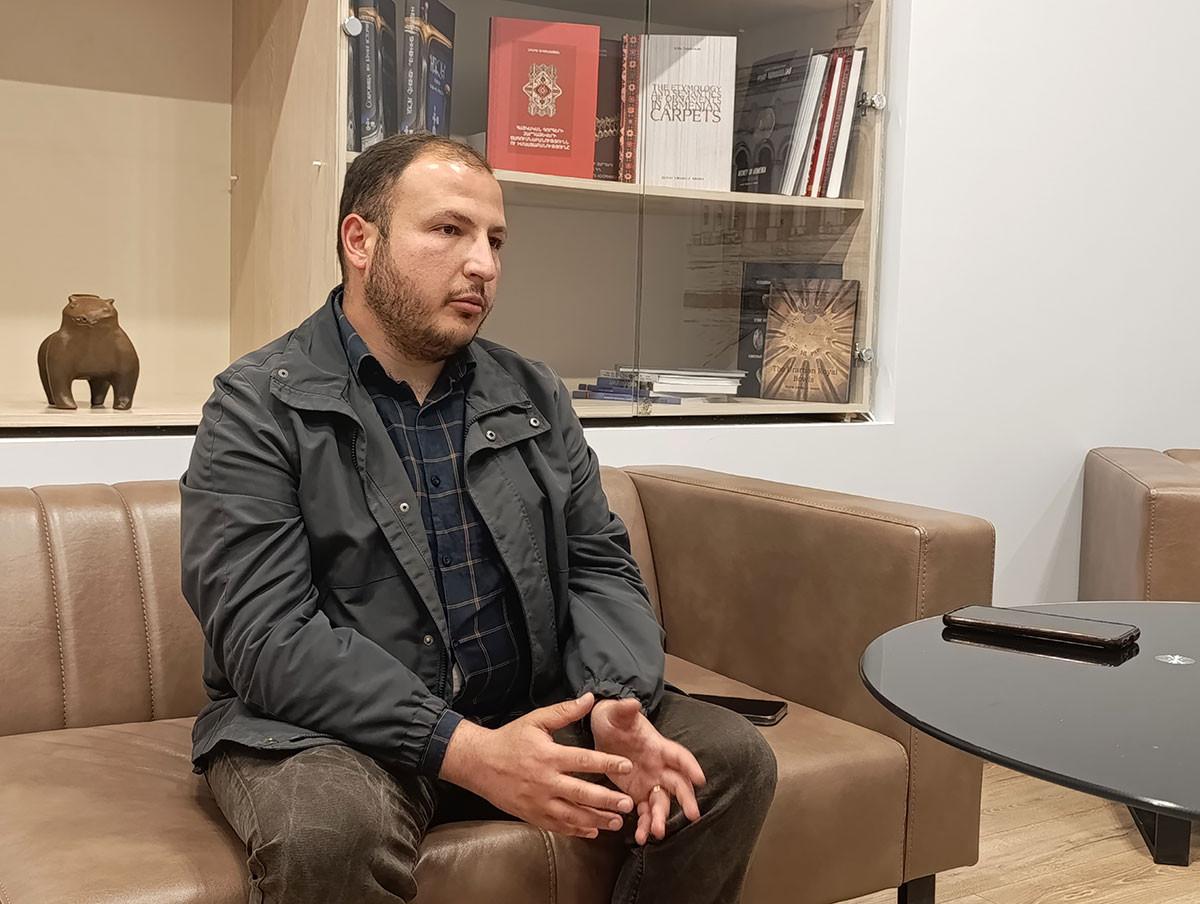
We met up with Hamazasp Abrahamyan, at the History of Museum of Armenia in Yerevan. He had just returned from the excavations two days ago.
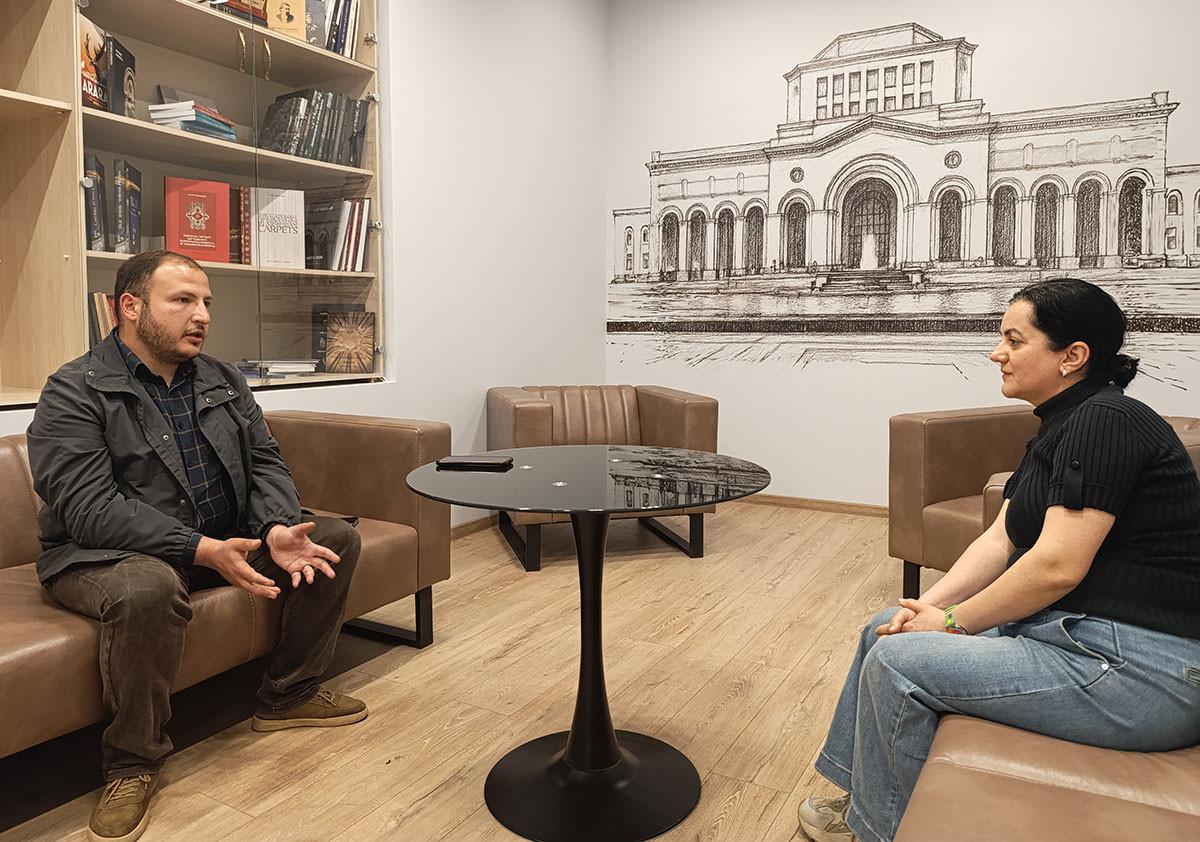
In an interview with Hetq, the archaeologist says that when he went to Tavush, he had no idea how difficult the work would be. When the group's scientific advisor, archaeologist Hamlet Petrosyan, visited Arakelots, he told Abrahamyan that work on the monument was a "life's work," meaning it would require great and long-term efforts.
"We went to solve three primary problems and came back with thirteen. In any case, we have options for solving the problems, and have clarified the work ahead,” says the expedition leader, adding that the interest lies in the complexity of the work.
The Arakelots monastery complex/settlement is located two km west of the village of Acharkut in Tavush, on the left bank of the Kirants River.
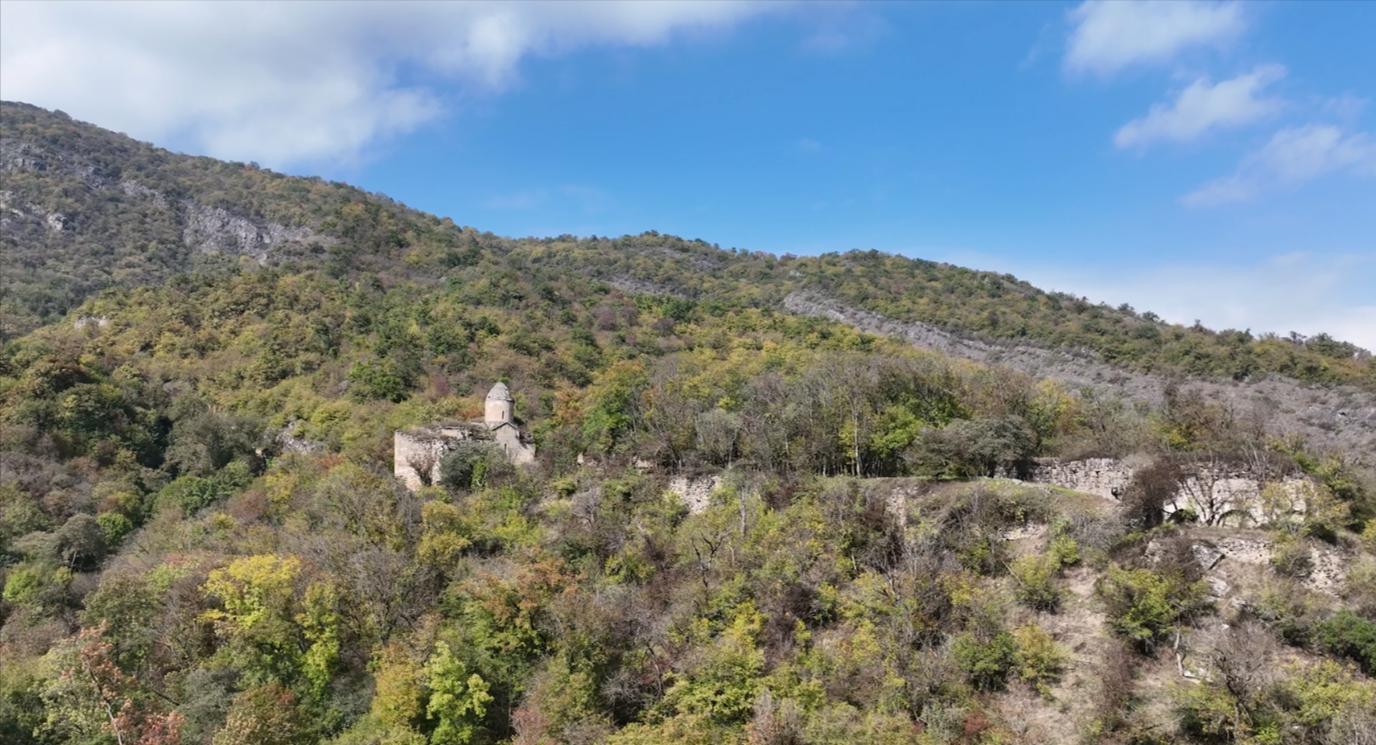
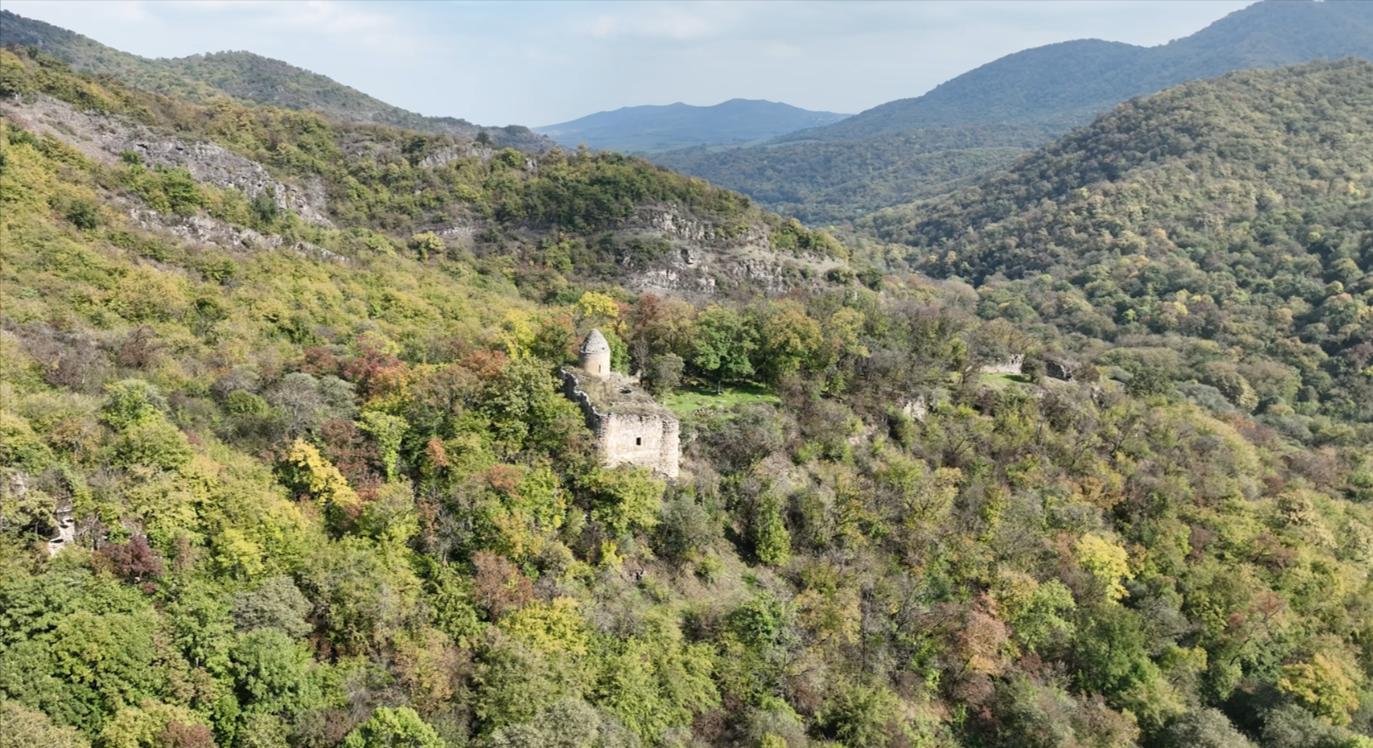
The settlement dates to the 10th-14th centuries (it is mentioned in the list of immovable monuments of history and culture as the “Arakelots” village settlement). The Arakelots Monastery was previously considered a structure of the 13th-14th centuries, but Abrahamyan says that during the excavations they uncovered a new layer of the monastery’s life, which refers to a later period. Abrahamyan notes that after its decline, the monastery underwent some renovations in the late Middle Ages and likely saw renewed monastic activity, although details are unknown.
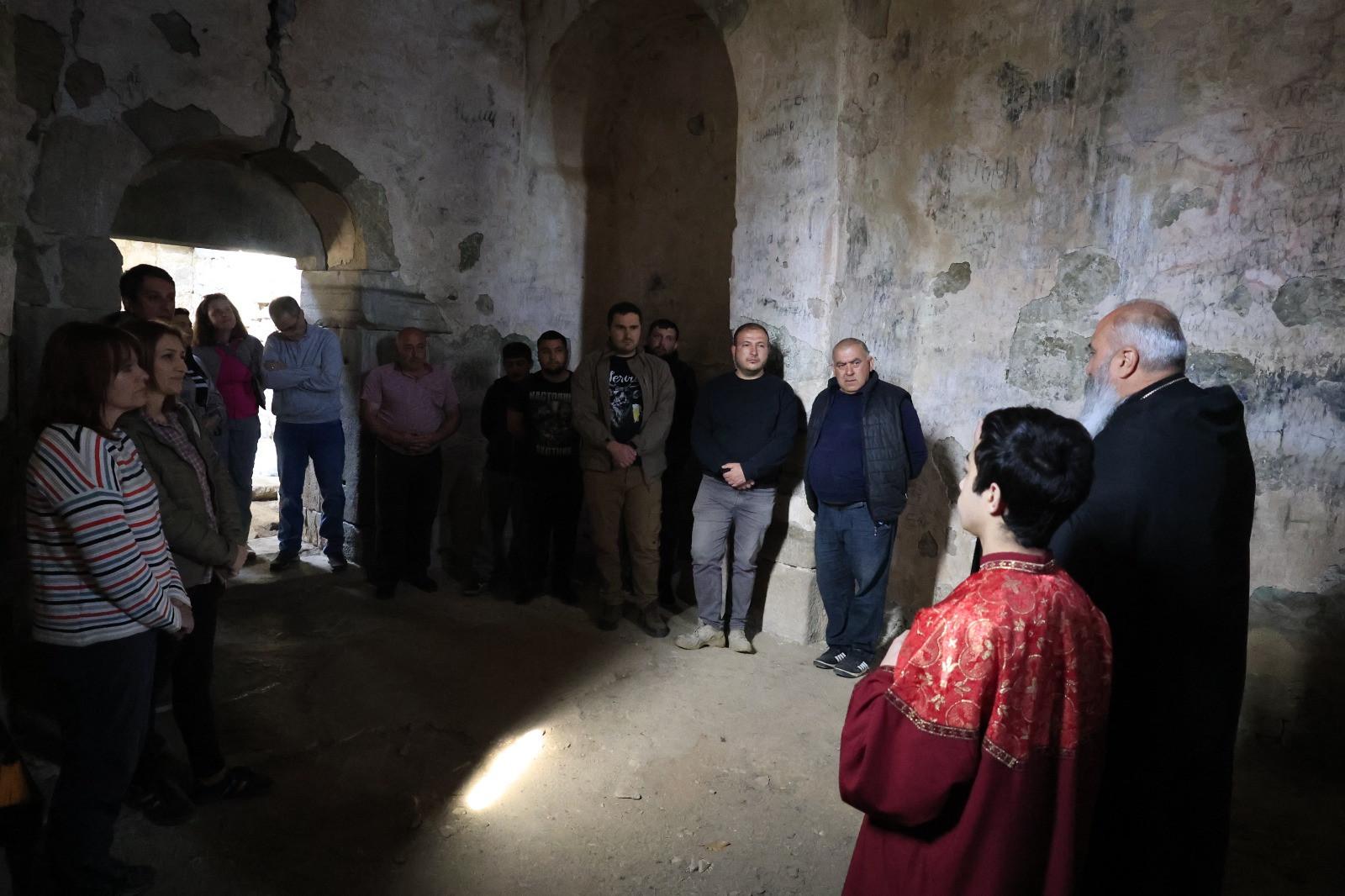
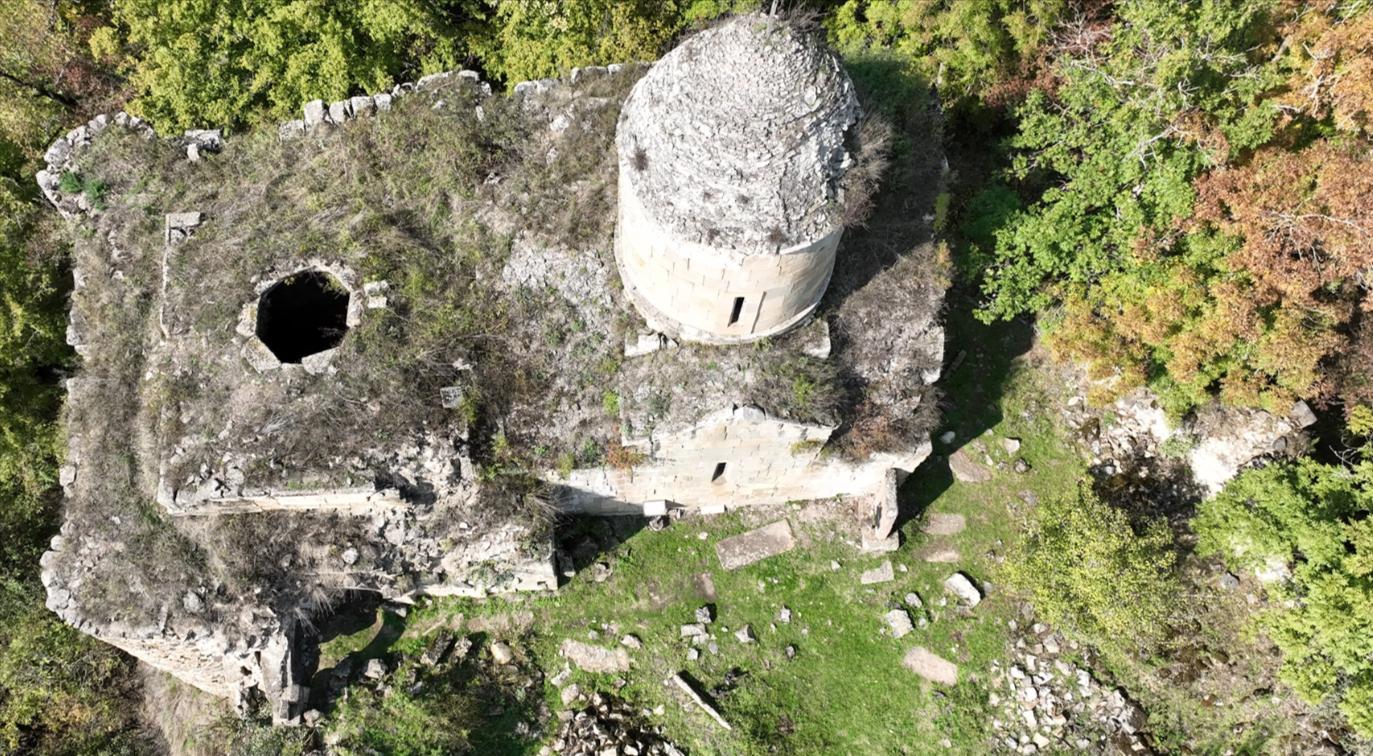
Abrahamyan shows photos he took on his phone of the monastery complex on a forested hillock. The monastery area alone is about half a hectare, the complex includes the church, the narthex (vestibule), the bell tower, the refectory, the wall, and the adjacent economic residential structures, while the settlement (area up to twenty hectares) is spread around the cape, where there are five churches, an inn, an oil press, a bridge, a bathhouse, the remains of other buildings, cross-stones, and tombstones.
Arakelots Monastery is walled. Abrahamyan says that Armenian monasteries began to be walled as early as the 9th century AD, firstly, for security, and secondly, to use the area as part of the country’s fortification network. However, the peculiarity of Arakelots is that the wall is directly adjacent to the church wall. According to the archaeologist, in this sense, Arakelots is unique in Armenia. The monastery in the “Nerkin Yegtsadzor” settlement in the Aygedzor village of Tavush has a slight resemblance to it. “But this is a completely large fortress, next to which is its dwelling,” says Abrahamyan about Arakelots.
What was known before the dig
The scientist says that before starting research at Arakelots, the team collected preliminary information.
The archaeologist says that none of the several inscriptions found at the site were related to the construction of the monastery. They were either donation inscriptions for the monastery, or they referred to the churches and stone crosses of the settlement surrounding the monastery-fortress, which date back to the second half of the 13th century.
Archeological investigations at Arakelots began as early as the 19th century when Archbishop Sargis Jalalyants described several inscriptions of the monastery in his travel memoirs. Later, Bishop Makar Barkhudaryan referred to Arakelots Monastery and the inscriptions in his work Artsakh, and later Garik Sargsyan devoted two articles to the monastery and the settlement in the journal Etchmiadzin.
“There are several other extensive, general articles about the monastery that mostly repeat the work of previous authors. Hayk Yesayan presents his main results around the monastery and the settlement in his book. However, several questions regarding the monastery complex and the settlement remain open. For example, under what conditions was the settlement formed and under what conditions was it abandoned,” says Abrahamyan.
Excavations at the church entrance
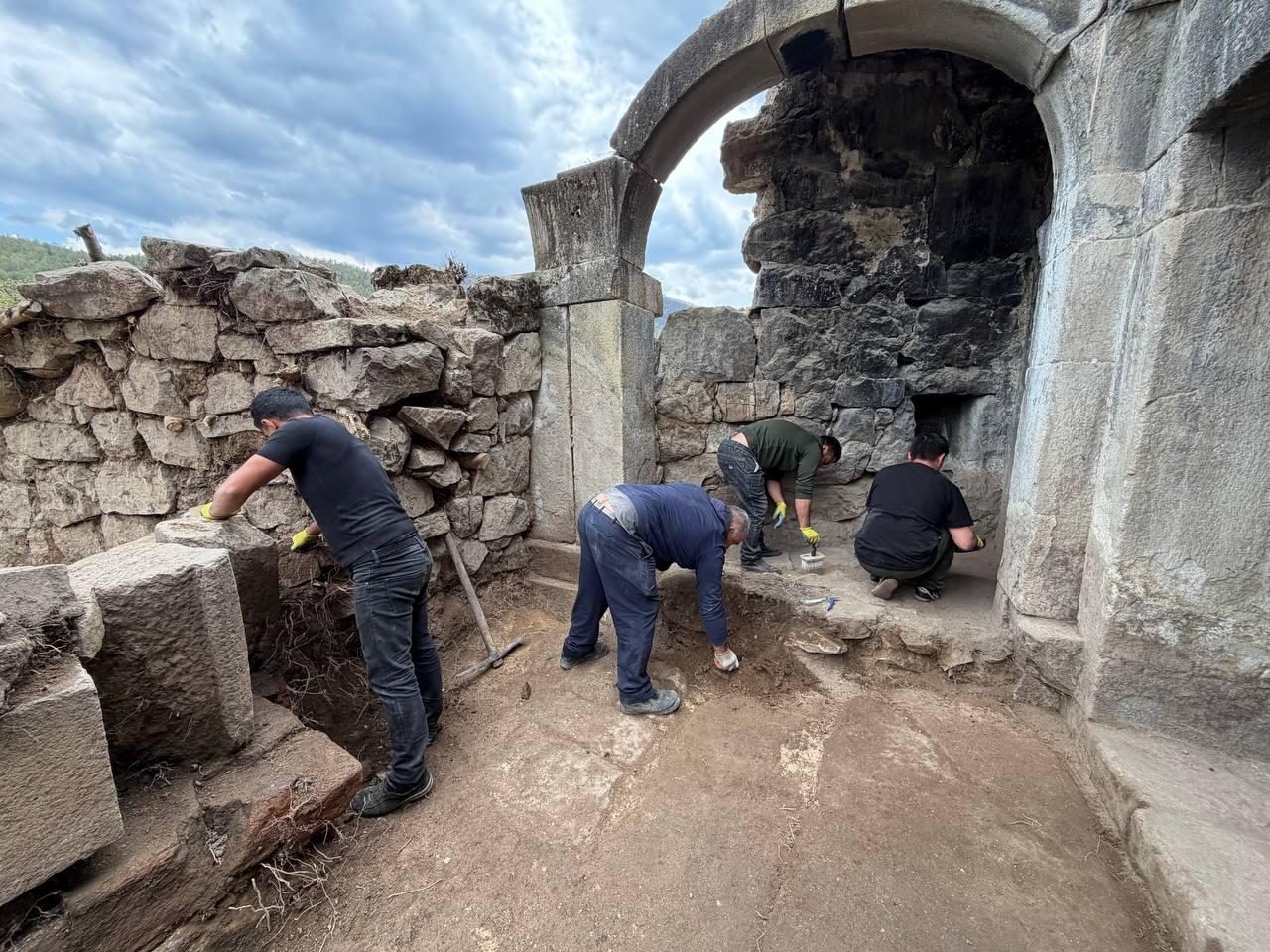
The archaeologists had chosen the area south of the narthex as the excavation site that includes the ruined bell tower, part of the enclosure wall, and pa section of tombstones.
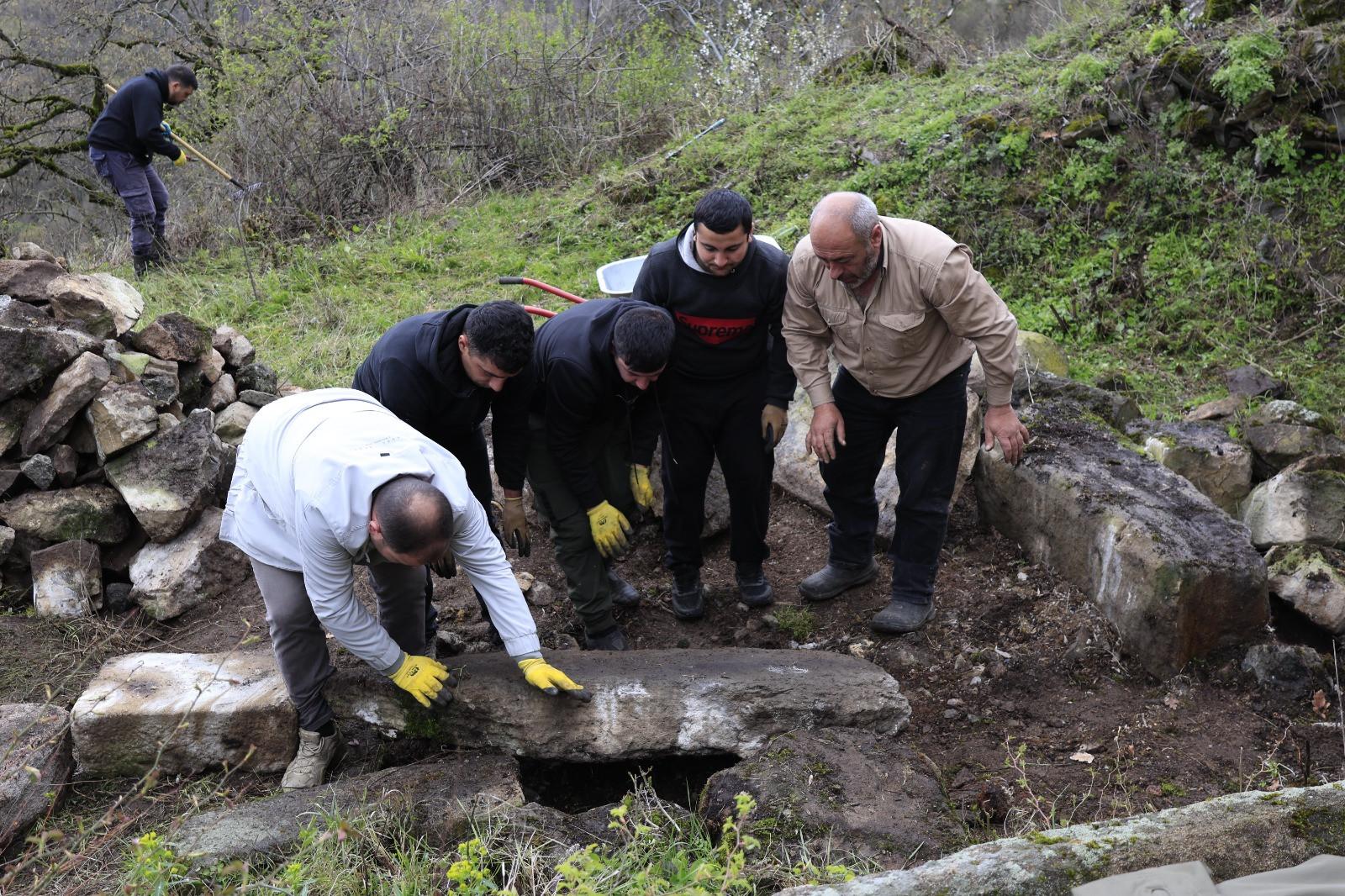
During the excavations, scientists found that there are two archaeological layers in the monastery, which, however, have a large gap. One of them is the main period of the monastery, the 13th-14th centuries, and the second layer, according to Abrahamyan, dates to the late Middle Ages. The study of discovered pottery and other finds is ongoing.
The excavations are only part of the research of the Arakelots monastery complex and the settlement, but they will provide valuable information to scientists.
Abrahamyan says that in the first stage of the excavations, the main task is to understand the chronology and period of activity of the monastery complex, the second is to clarify the relationship between the structures (wall, church, narthex, bell tower).
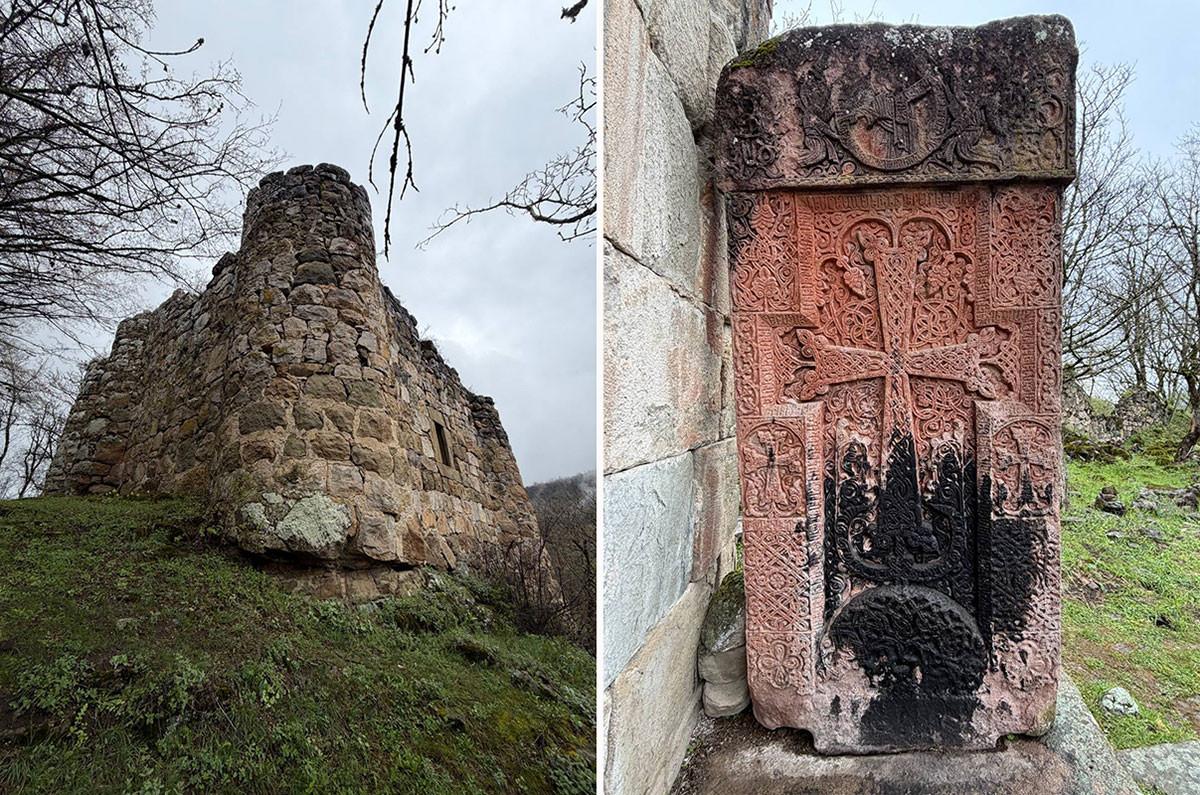
“One of the features is the discovery of possible new inscriptions. Unlike other complexes of its time, Arakelots has quite a few inscriptions. During the excavations, we discovered several inscribed fragments of stone blocks and tombstones. Further excavations will provide an opportunity to discover new inscriptions that will complement our information about the period of the monastery’s activity and its significance,” says Abrahamyan.
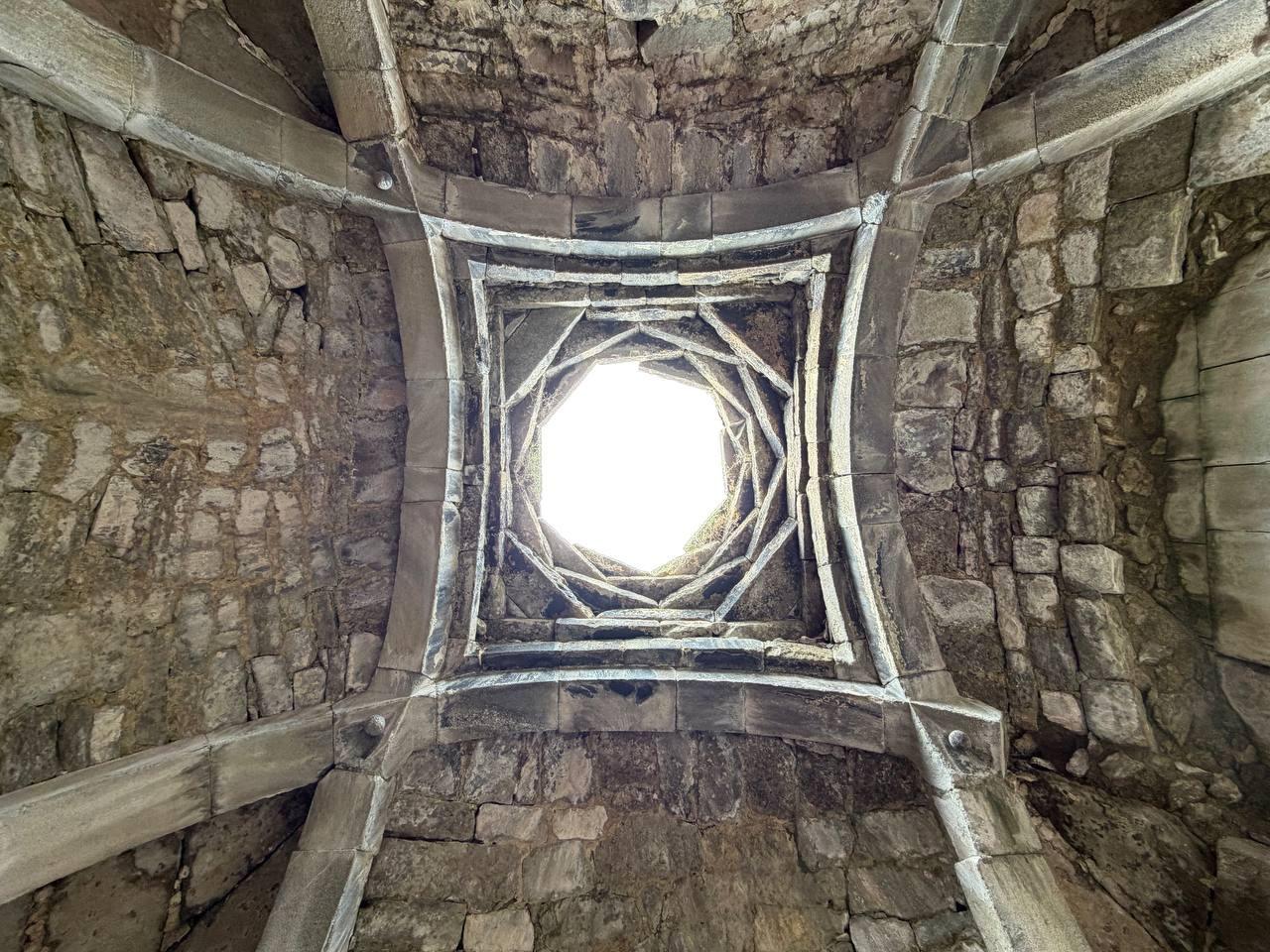
In fact, the Arakelots Monastery highlights several peculiarities. As a monastery-fortress, the church wall and the enclosure are attached to each other. Secondly, there are quite a few inscriptions. The third peculiarity, which is most widely circulated in professional literature, is the stone roof of the vestibule known as hazarashen. According to available information, this is the oldest stone hazarashen roof preserved to this day. This roof was not built with logs, as was customary in folk architecture, but with stone slabs.
"In terms of culture, Arakelots is one of the least studied monuments in the period when the Chalcedonian Church was gaining influence in Armenia, and there were quite large complexes. The Armenian military elite was also directly connected to the Georgian kingdom and Chalcedonian Christianity, and Arakelots Monastery was one of the centers of Apostolic theology in that region," says Abrahamyan, adding, "with its structural features and preservation, the settlement is also of great importance."
It is not yet clear when the next phase of excavations will begin, but Abrahamyan says to solve the problems currently posed it will be necessary to organize a few two-week excavations.
Photos: Hetq; H. Abrahamyan's archive from the Internet
Write a comment