 Videos
 Photos


My Heart Always Ached in Armenian: Armenian Identity in Diaspora
Anna Eganyan
I lived in Russia for 32 years but I never felt Russian, though I have Russian blood. I remember when I first realised that I wasn’t Russian. That was at school when a classmate told me — “Why? You cannot be beautiful because you’re a blackass.”
“Blackass” is a Russian ethnic slur used against people from the South Caucasus. It refers to their dark hair, dark eyes and, more broadly, to anyone perceived as coming from outside the former USSR regions (now CIS).
Like many children of the post-Soviet space, I grew up learning where I did not belong.
Yet, there was another side to this story.
Despite being constantly reminded that I was not Russian enough, I was not particularly Armenian either. I spoke Russian better than Armenian. I attended a Russian school. I read Russian news, my friends were Russian, I was partying with Russian-speaking punks and rockers and being a foreigner was considered rather rare for all the social groups I was a part of. Slowly I grew alienated to my Armenian identity and started even being embarrassed of it. I dyed my hair blond, I lost as much weight as needed to hide my oriental curves and refused to identify as an Armenian.
But one thing was always there. Although I spent my whole conscious life in Russia, I was never as devastated by Russia's tragedies as I was by those of Armenia and Armenians. My heart always ached in Armenian.
When Russia launched its full-scale invasion of Ukraine, I left the country for political reasons. Armenia was never meant to be my final destination. I saw it as a transit point, a place where I could catch my breath before moving on to Europe.
Instead, I found a home.
Yerevan gave me a roof over my head, a community and a journalism job I fell in love with.
Staying was never part of the plan, yet the longer I remained, the better I understood what exactly one of the Russian protagonists of my reporting, artist Arseniy Zykhovsky, meant saying "propaganda works both ways."
In Armenia, I met dozens of Russian Armenians who had also left Russia after the invasion. Many had grown up speaking Russian and knew little Armenian. They spent years trying to distance themselves from their Armenian roots just as I did.
But if so many of us were trying to move away from our Armenian identity, where did that impulse come from? And why did so many of us find our way back and eventually chose to stay?
I started to think about that deeper as I made friends with the Armenians from the European and American diaspora, where people not only didn’t hide their identity, but celebrated it and formed communities. Why?
Ani Paityan is a mother of two and a French-speaking journalist from Belgium, who consciously chose to return to Armenia in her twenties.
Paityan left Armenia when she was five. She remembers living for 6 months in Russia, but her father found it hard living in an unstable Russia after the demise of the former USSR and their family left for Belgium. There she learned French within months, attended Belgian schools, built a career and spent more than two decades in Europe. By every conventional measure, she was well integrated.
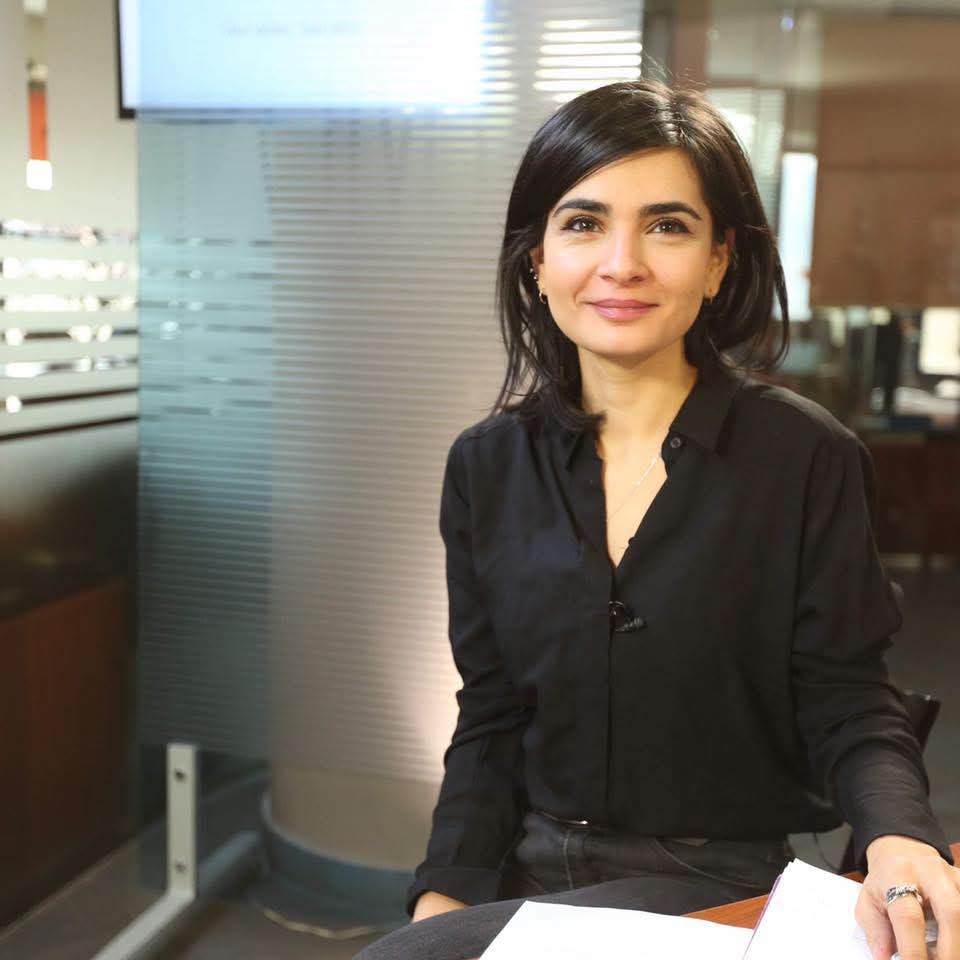
Photo from A.Paityan
Yet she remembers growing up with a persistent feeling that something was missing.
"No matter how integrated I was, no matter how well I spoke the language, I always felt that I wasn't from there," she told me.
For years, Armenia existed mostly as a family story, a place she remembered through her parents' memories rather than her own. As a teenager, she even rejected the idea of ever living there, because when she last came to Armenia, the conservative and patriarchal mindset of the locals struck her. But when she returned in her twenties while researching Armenian identity for her master's thesis, something changed.
She came for two weeks and ended up staying for a decade.
Today, she lives in Yerevan with her husband and their children, Lilith and Areg. Giving them Armenian names was a conscious choice. It was her way of preserving a connection she once feared might disappear.
Listening to Paityan's story, I could not help comparing it to my own.
We were both Armenians who grew up outside Armenia. We both spoke the language of our host countries better than Armenian. We both spent years trying to fit into the societies around us.
Yet Paityan never felt the need to hide who she was. Unlike me, she never described her Armenian identity as something she needed to hide. Her Armenian identity remained intact, waiting patiently for the moment she was ready to embrace it.
In Russia, my experience was different. Being Armenian was not merely a fact about my family. It was something that could make you a target. A joke. A stereotype. A reminder that you were not entirely one of "us."
Perhaps that is why, when Paityan heard the call of her roots, she followed it. When I heard the same call, my first instinct was to silence it.
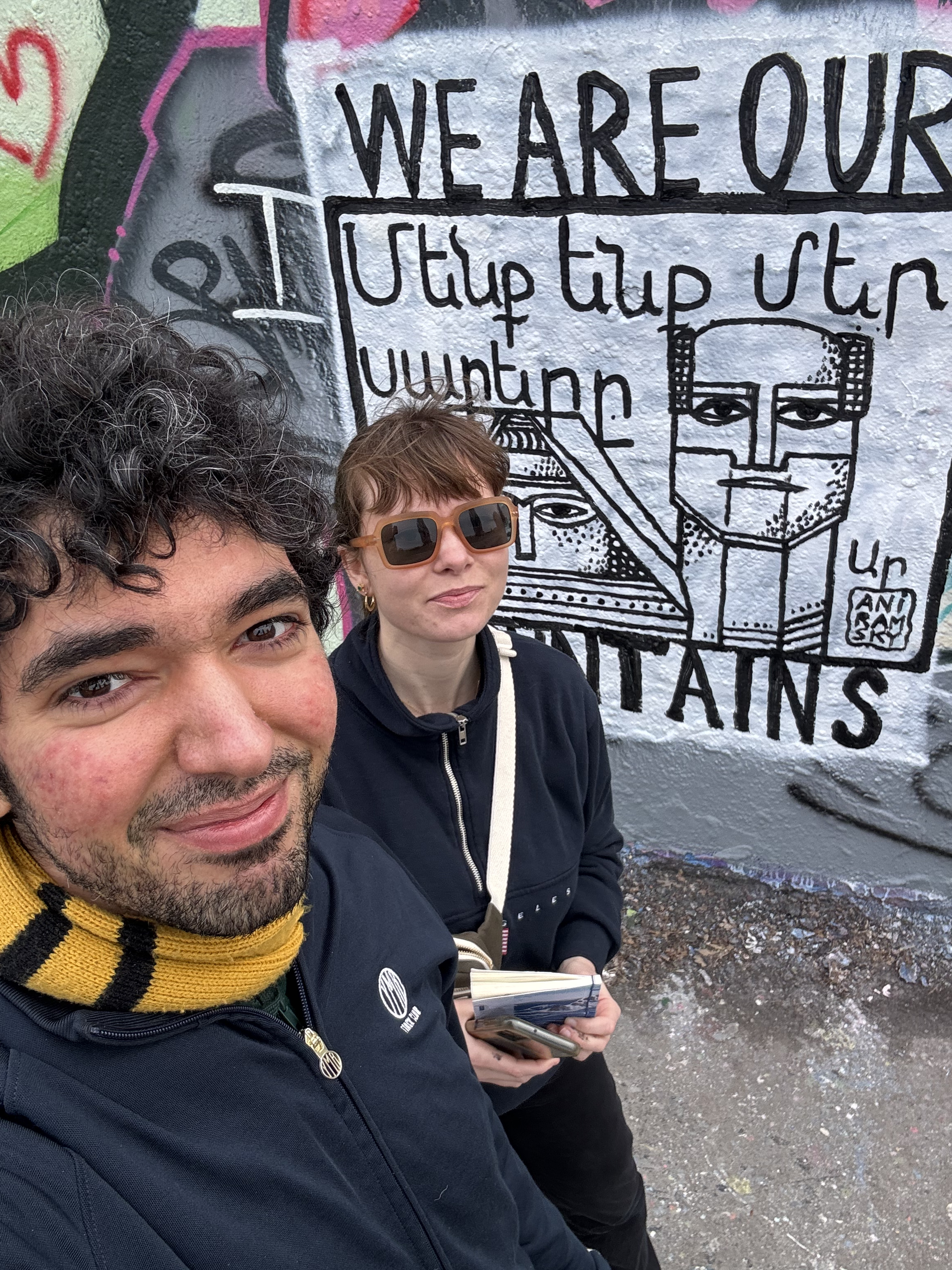
Arshak Makichyan is an Armenian activist and an aspiring political scientist who, like me, grew up in Russia. He now lives in Berlin after leaving Russia in 2022. Because of his activism and anti-war stance, he faced pressure from the Russian authorities and eventually had his Russian passport annulled.
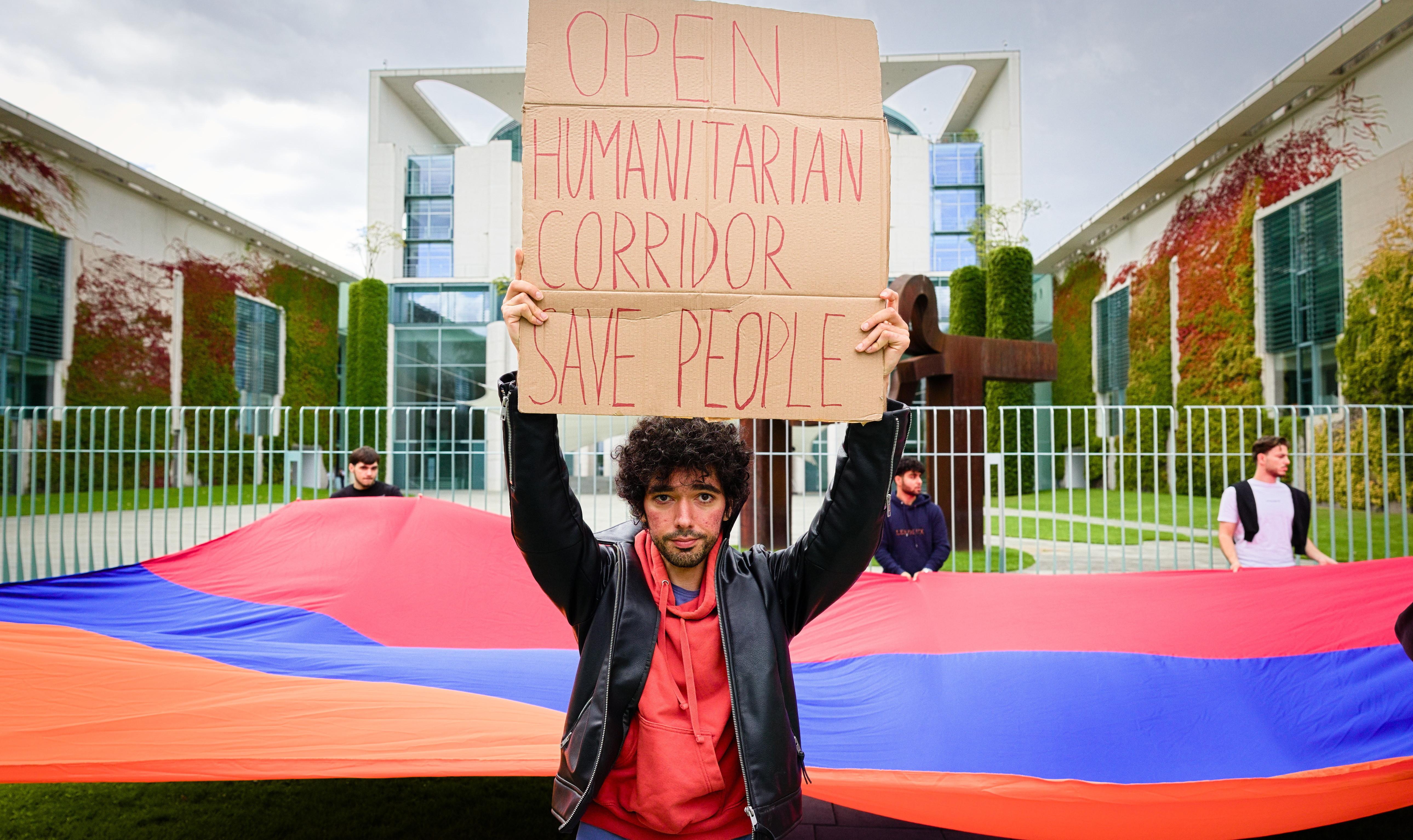
He remembers being bullied from an early age. The slurs started long before he became interested in politics or identity. Being Armenian, he says, meant being visibly different. In school, being called "churka" or other ethnic slurs was common. Over time, he argues, many minorities learn to adapt by becoming as similar to the majority as possible.
"You want to become more like the majority so that you are no longer exposed to that hatred. When you have a different surname, when you look different, you encounter this racism," he told me.
According to Arshak, assimilation is not an accident, but a logical result of a systemic racism in which Russian language, culture and historical narratives occupy a dominant position. In his view, Armenian identity gradually becomes less visible because maintaining it often brings social costs while abandoning it brings advantages.
When Arshak said that “people with Russian surnames start out with certain advantages,” I was reminded of a story my mother, Gayane Yeganyan, once told me.
While living in Moscow during the Soviet era, she was reportedly advised to change her surname to Ivanova if she wanted a promotion at work.
Yet not every Armenian in Russia describes the same experience.
Ludmila Kazaryan, a music teacher who has lived in Russia since the early 1990s, says she never felt discriminated against because she was Armenian. Living in North Ossetia, she describes her environment as remarkably tolerant.
"We live peacefully with Ossetians, Georgians and Russians," she told me. "Nobody points at you and says you are Armenian."
In many ways, Kazaryan seems to challenge Arshak's argument. She still considers herself Armenian, attends the Armenian church, knows Armenian music and literature and speaks Armenian. She even visits Armenia regularly.
But her children who understand Armenian nevertheless reply mostly in Russian. Her grandchildren speak Russian. One granddaughter briefly attended an Armenian Saturday school but eventually stopped. Like many families, her children invest in English tutors and Russian-language education, while Armenian gradually moves to the margins of everyday life.
Kazaryan's story suggests that assimilation does not always arrive through discrimination. Sometimes it arrives through practicality.
Russian remains the language of education, career advancement and social mobility. For many families, investing in Russian and English simply seems more useful than preserving Armenian.
However Makichyan believes this is one of the key reasons why minority languages gradually disappear. "It is easier to build a career when you focus on Russian," he said. Over time, he argues, people of different ethnic minority groups begin to forget their native languages.
Kazaryan's family illustrates this process. While she remains deeply connected to Armenian culture, each generation after her uses Armenian less than the previous one.
Kazaryan herself thinks that the reason lies not in discrimination but in the strong sense of community that Armenian churches have helped build in Europe and the United States. She argues that churches often act as community centres. Around them grow Saturday schools, language programmes and cultural organisations. In the Soviet Union, however, religious institutions were suppressed and many of these structures never fully developed.
But notably Russia is home to the world's largest Armenian diaspora. According to Armenia's Office of the High Commissioner for Diaspora Affairs, between 2.5 and 3 million Armenians live in Russia.
And still questions of language preservation have become so significant that they attract the attention of scientists. Recent studies on the Armenian diaspora in Russia show that ethnicity and the language do not vanish simultaneously. A person can continue considering themselves Armenian, preserve the emotional connection to Armenian culture and origin, but gradually lose the language in everyday life. This is why in many diasporas the language is in the first ranges of the victims to the assimilation, while the feeling of belonging may stay yet some generations.
When I lived in Russia I remember my Armenian cousins, who had already lost the language themselves, saying they wanted to marry fair-haired men to give birth to blonde children. And they both married Russian men and gave their fair-haired children Russian names.
I think had I stayed in Russia, I might have become much like them, but as Russians say: “there’s no bad without good”. And in my case the good was coming to Armenia though my move was caused by the war. But as I keep saying I lived in Russia for 32 years, my father was Russian, and I didn’t become Russian.
You can change your language, your city, even your name. But some things are difficult to erase as they run too deep and have very unexpected ways of finding their way back.
Top photo: Anna Eganyan, Personal archive. Author @darthov
Write a comment