 Videos
 Photos


Vayots Dzor Honey Festival Highlights Natural Wares, Environmental Awareness
On July 25, the first Yeghegis Fest (Honey Festival) took place in Hors, a village in Armenia’s Vayots Dzor province.
Why a honey festival? The idea is that honey is a passport to nature’s health.
As the festival’s Facebook page proclaims, “In the ecological chain, our famous mountain honey manifests not as a separate product, but as a natural indicator of a region’s health. In the dry and steppe climate, even among bare rocks, wild flora and medicinal herbs allow bees to create an exceptionally unique and pure product.”
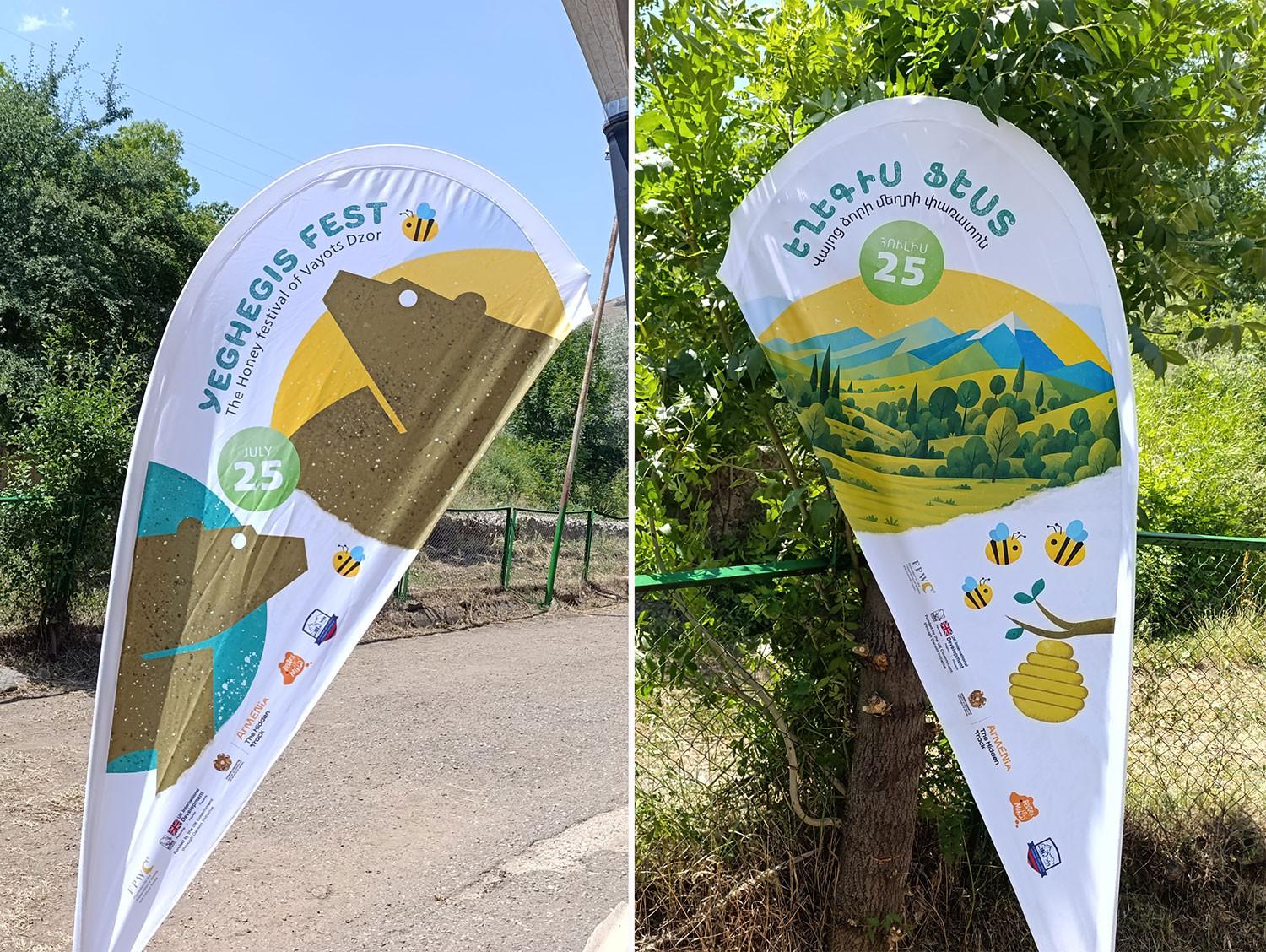
Yeghegis Fest organizers say the event is not just about displaying products but aims to bring people together around the idea of nature conservation. And it is no coincidence that the festival is held within the framework of the “Decreasing Climate Change Accelerated Human-Wildlife Conflict in Armenia” program. In this regard, the choice of Vayots Dzor is also intentional, since the province, especially the Yeghegis district, is an important environmental zone not only for Armenia, but for the region and beyond. This area serves as one of the hotspots for bear incursions, resulting in human-bear conflict in Armenia.
Foundation for the Preservation of Wildlife and Cultural Assets (FPWC) Founding Director Ruben Khachatryan, one of the festival organizers, says that honey is one of the most significant foods of all time and that without bees there would not be fruits or plants.
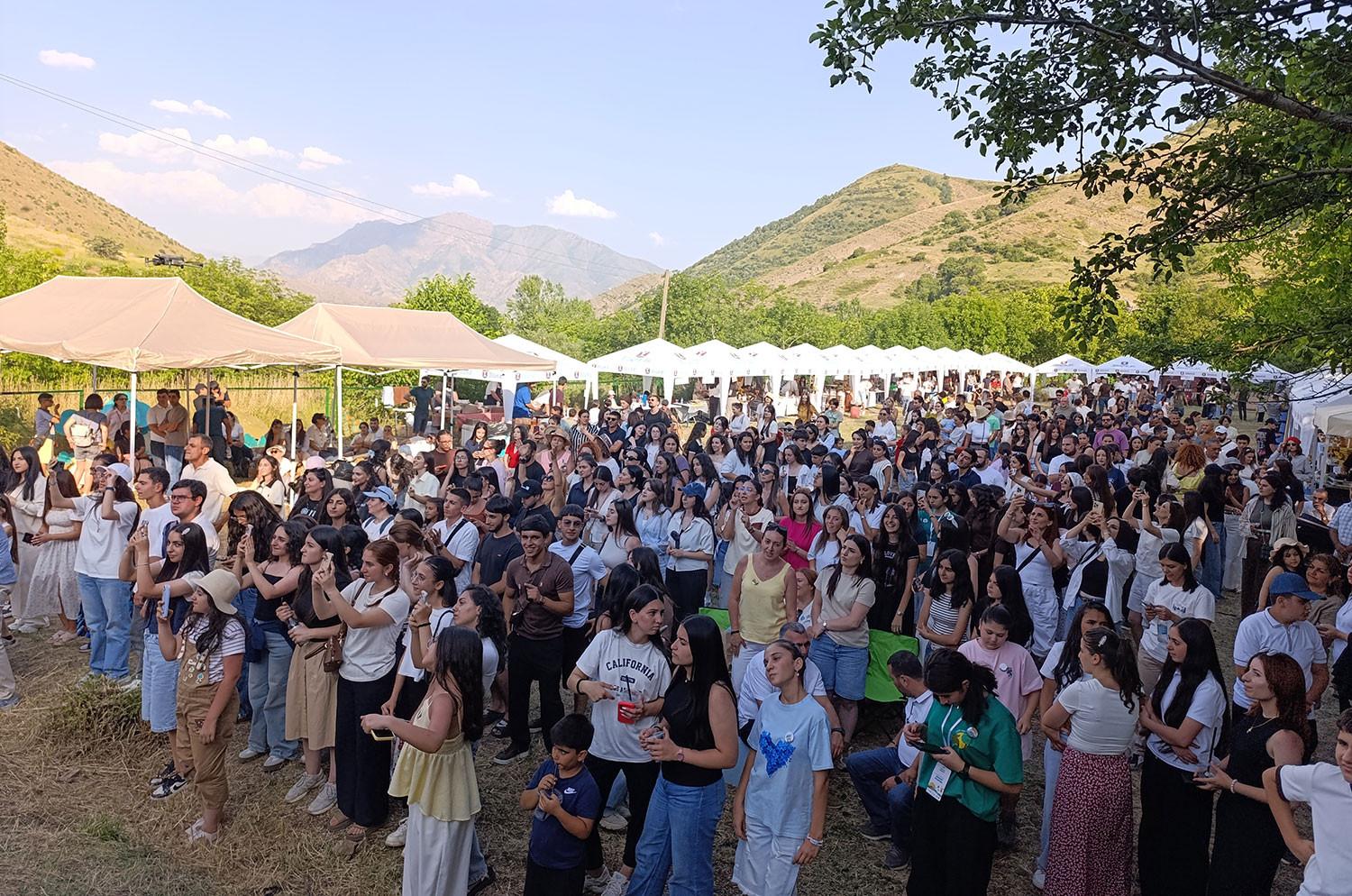
”Here, it is important to understand not the concept of conflict mitigation [with wild animals], but how one can live in harmony with nature - bees, bears, and all those species that also have the right to live in nature, like humans. It is simply that a person is distinguished by having intelligence and an idea of how to properly organize his life, his activities, to cause as little harm as possible to the environment and nature. This festival is dedicated to that coexistence, that idea,” Khachatryan said addressing the hundreds who attended the festival.
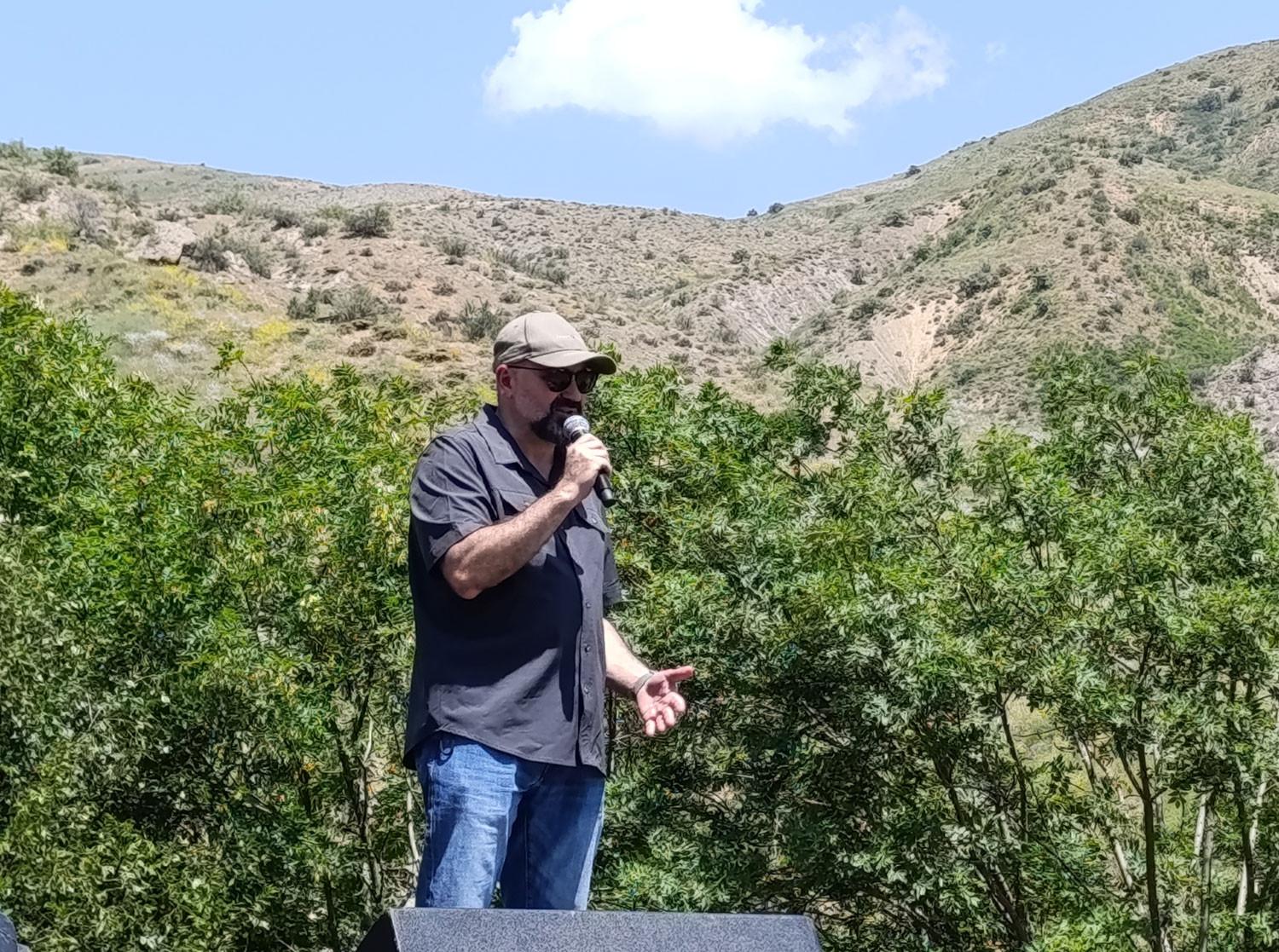
Yeghegis Fest Stresses Human-Wildlife Coexistence
According to the festival’s FB page, there are thirty-six zones in the world that are considered biodiversity hotspots, and the Yeghegis district is in the heart of one of them.
The FPWC website succinctly stresses the natural importance of the area.
“Yeghegis Gorge is unique not only in Armenia, but across the entire region. It is one of the world's most critical biodiversity hotspots, harboring numerous endemic and Red Book-listed animal and plant species. The gorge's geographical position, vertical cliffs, and ecosystem diversity provide sanctuary for rare species such as the Bezoar goat, Caucasian leopard, Golden eagle, and Brown bear. Preserving this natural wealth holds global ecological significance, laying the foundation for the implementation of strategic international projects.”
The most mysterious king of this ”invisible corridor” is the Caucasian leopard (Panthera pardus). Avoiding noise and people, FPWC camera traps, however, have regularly captured images of the animal’s cautious and majestic presence in Armenia’s protected areas. The presence of a leopard is a key indicator of the health of the ecosystem. If a leopard exists, it means that all the links in the chain, from the soil and wild plants to the Bezoar goats and rodents, are in a viable balance.
The program “Decreasing Climate Change Accelerated Human-Wildlife Conflict in Armenia” was funded by the UK government through its Darwin Initiative. Co-organizers of the festival include Bears in Mind, the Tourism Committee of the Ministry of Economy and the (former) Yeghegis community.
Former, because the enlarged Yeghegis community was formed in 2017 from the merger of sixteen Vayots Dzor villages: Vardahovit, Hermon, Goghtanik, Yeghegis, Artabuynk, Horbategh, Shatin, Hors, Salli, Taratumb, Karaglukh, Aghnjadzor, Sevazhayr, Kalasar, Getikvank and Arates. The community center was the village of Shatin. In June 2026, because of amendments to the Law "On Administrative-Territorial Division of the Republic of Armenia", Yeghegis was merged with the Yeghegnadzor community. The town of Yeghegnadzor serves as the capital of Vayots Dzor province and the center of the Yeghegnadzor community.
FPWC’s Ruben Khachatryan told reporters covering the festival that organizers selected Hors as its venue purely based on its territorial opportunities. He says the festival will be ongoing, and will be held in different Yeghegis villages.
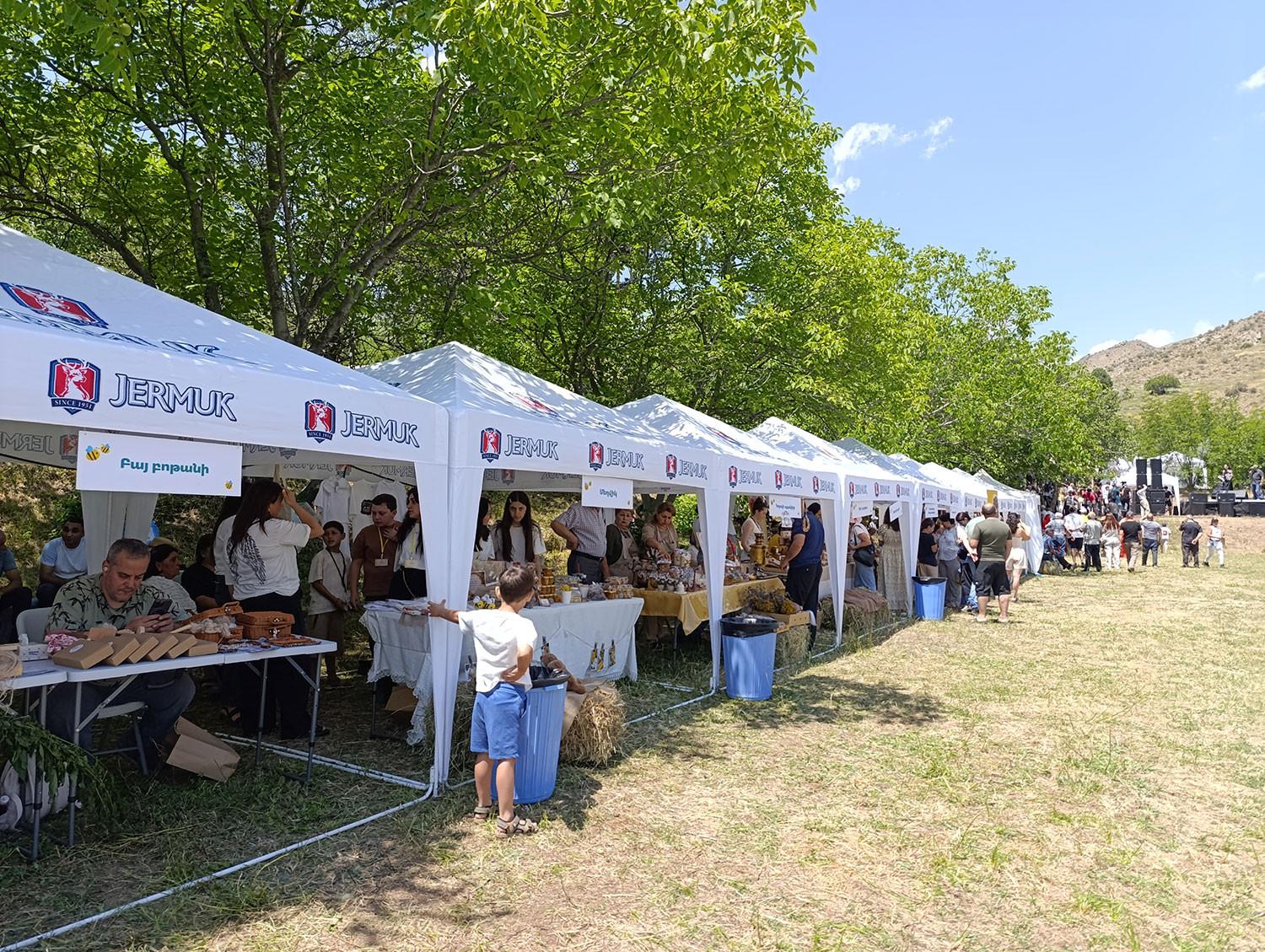
Honey, Buried Cheese, Herbal Teas and More
Hors village resident Maria Ghazaryan has awakened at five in the morning for the past thirty years. She makes cheese and keeps bees. She’s the only cheesemaker in the Yeghegis community who makes smoked string cheese in a tonir (earthen oven). While Ghazaryan makes cheese mainly for her family and close relatives, and has not yet reached commercial levels, she is satisfied with her work.
Goghtanik village resident Andranik Samvelyan, manning a booth next to Ghazaryan’s, puts a large piece of coal in a self-heating pot. He waits for the water to boil so that he can treat festival goers to a beverage derived from flowers he has collected. He calls it Noy Tea. Samvelyan collects chamomile and thyme from the local mountains, packages, and sells them. Sometimes, he receives orders from overseas.
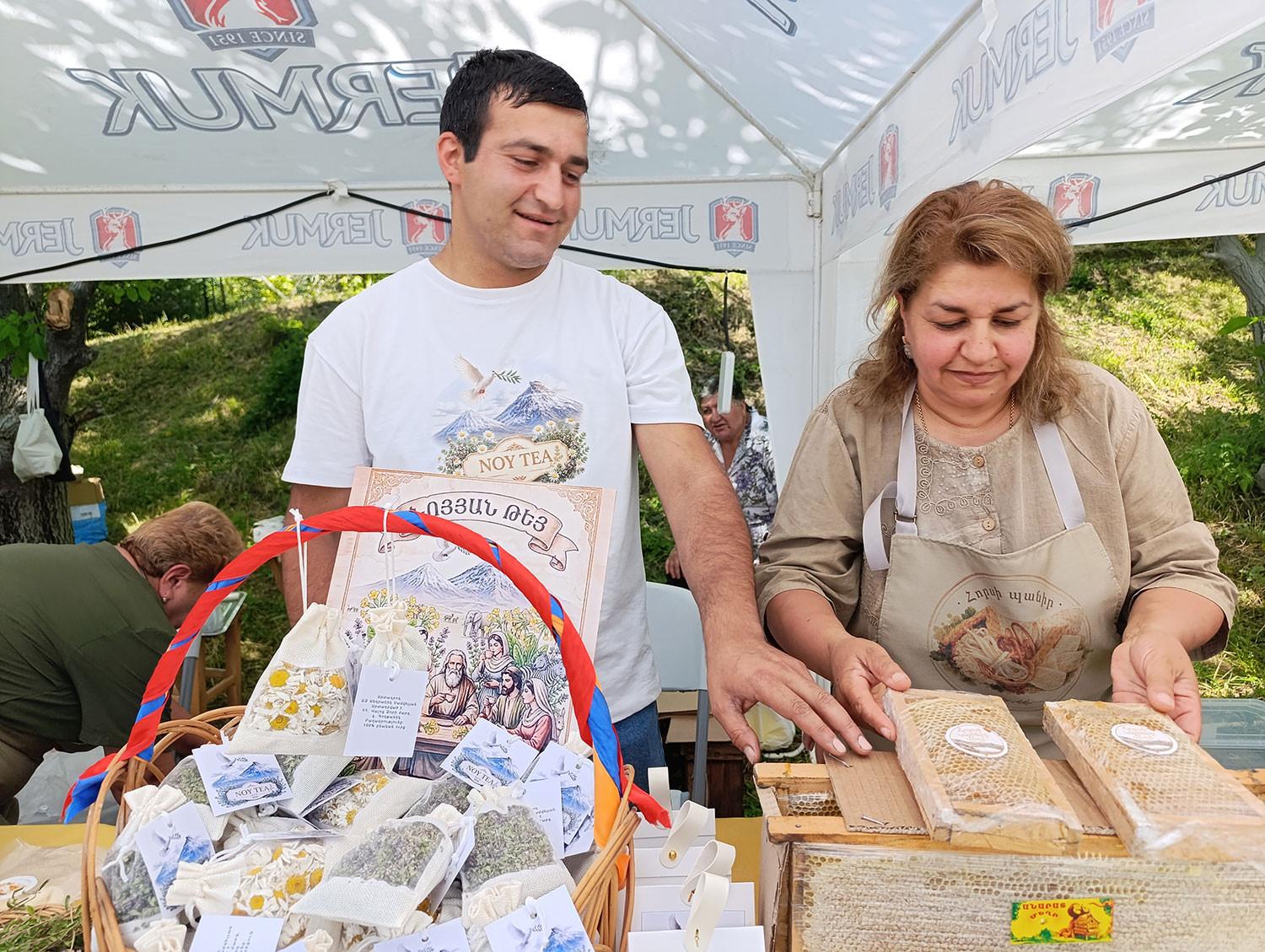
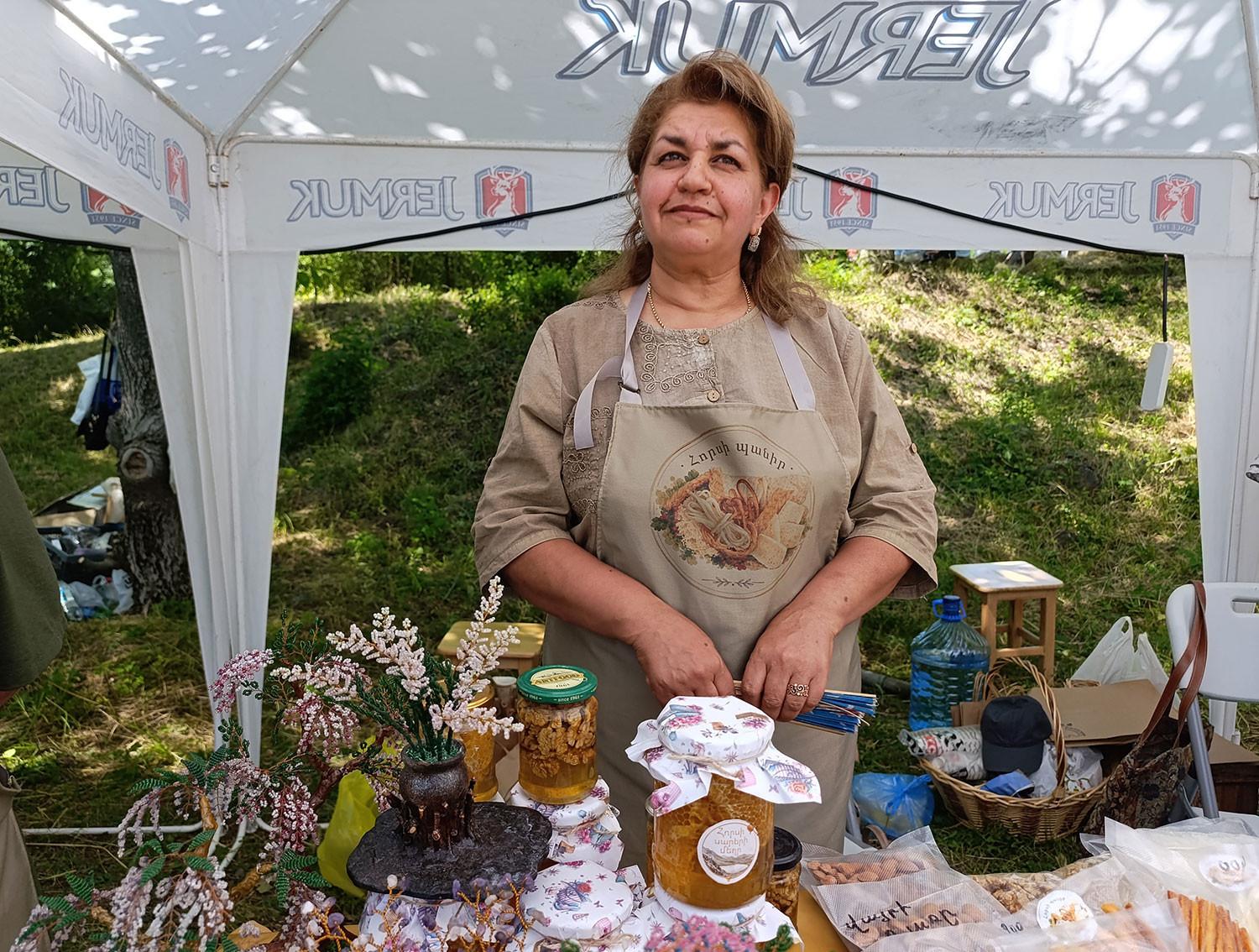
Hors resident Silva Manukyan, a farmer, has been preparing for Yeghegis Fest since May. Displaying her cheese, honey, cottage cheese, and gata (an Armenian sweet bread), she says that her horats banir (a traditional semi-soft cheese stored in clay vessels that are buried in the ground) takes a long time to mature, which is why she started preparing for the festival early.
“We are here exhibiting our village, our products, and our handiwork,” she tells Hetq.
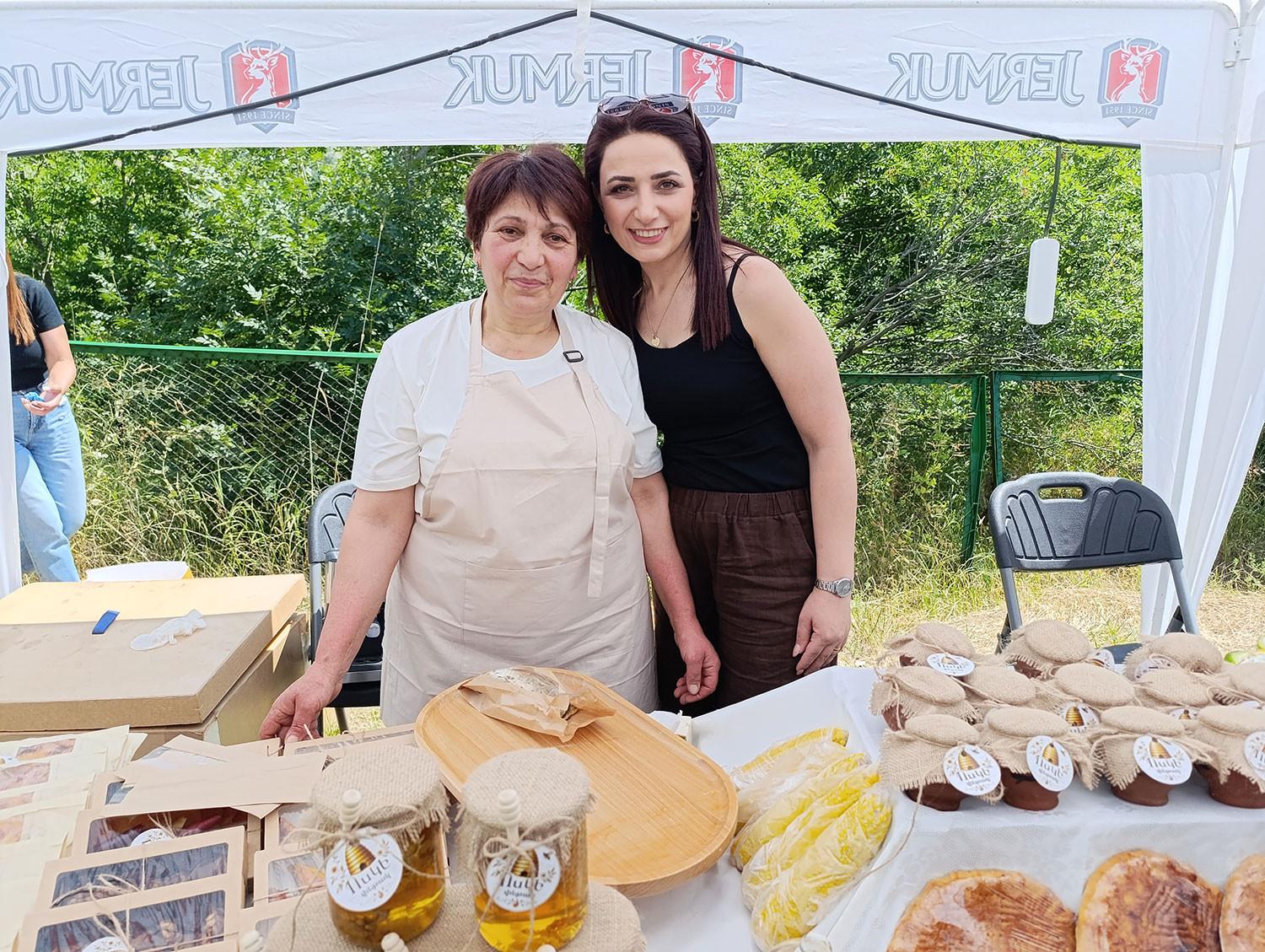
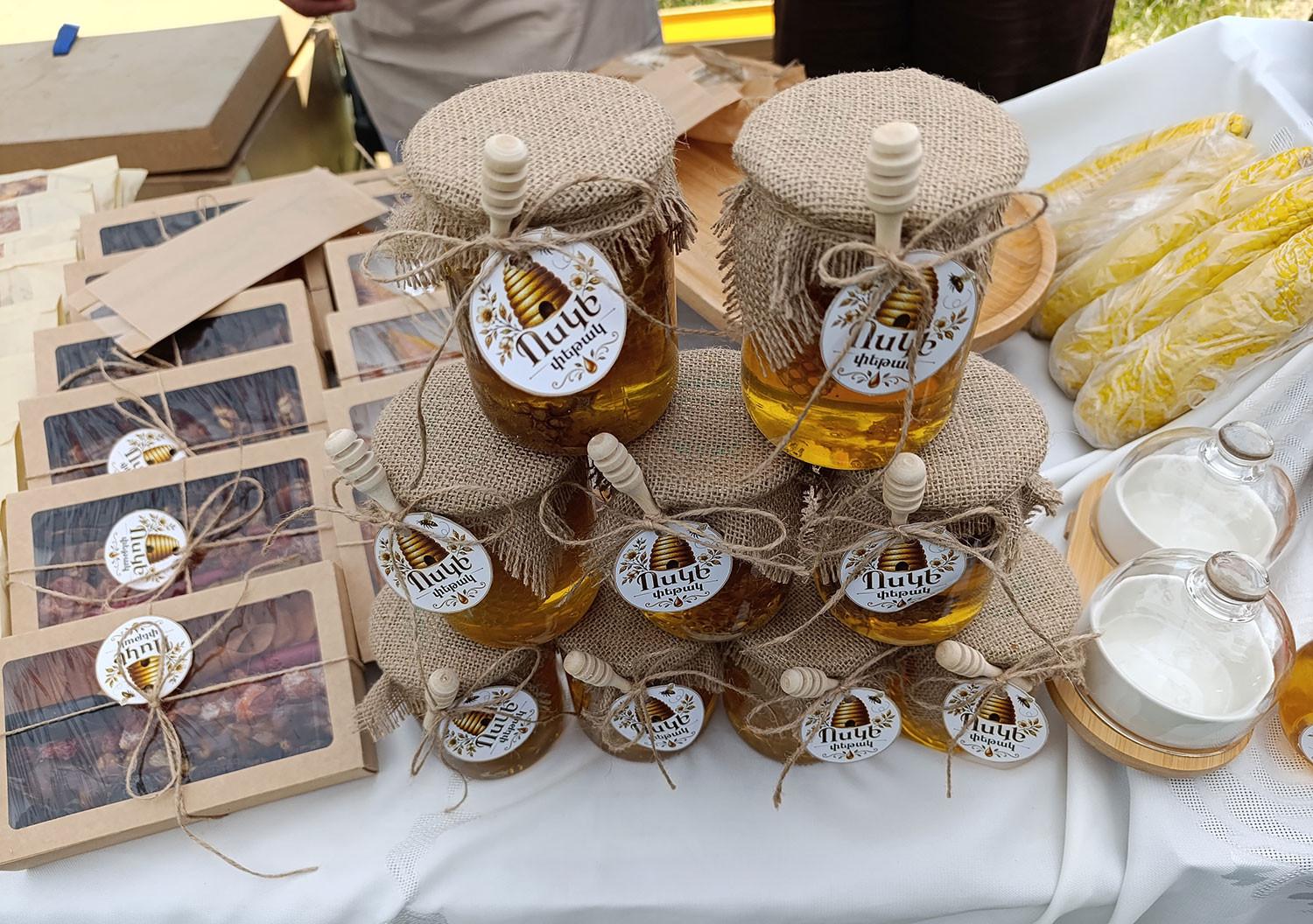
Beekeepers from Malishka display their wares in neighboring stalls.
Yervand Nazaryan, from Malishka, exhibits several types of honey on the table. Visitors are most surprised by the white cream honey. Nazaryan says that it is ordinary honey whipped for four hundred hours with a special device. The honey has been whipped so much that the color has changed, the taste has become more delicate. He says it’s especially good for those who are not fans of classic honey.
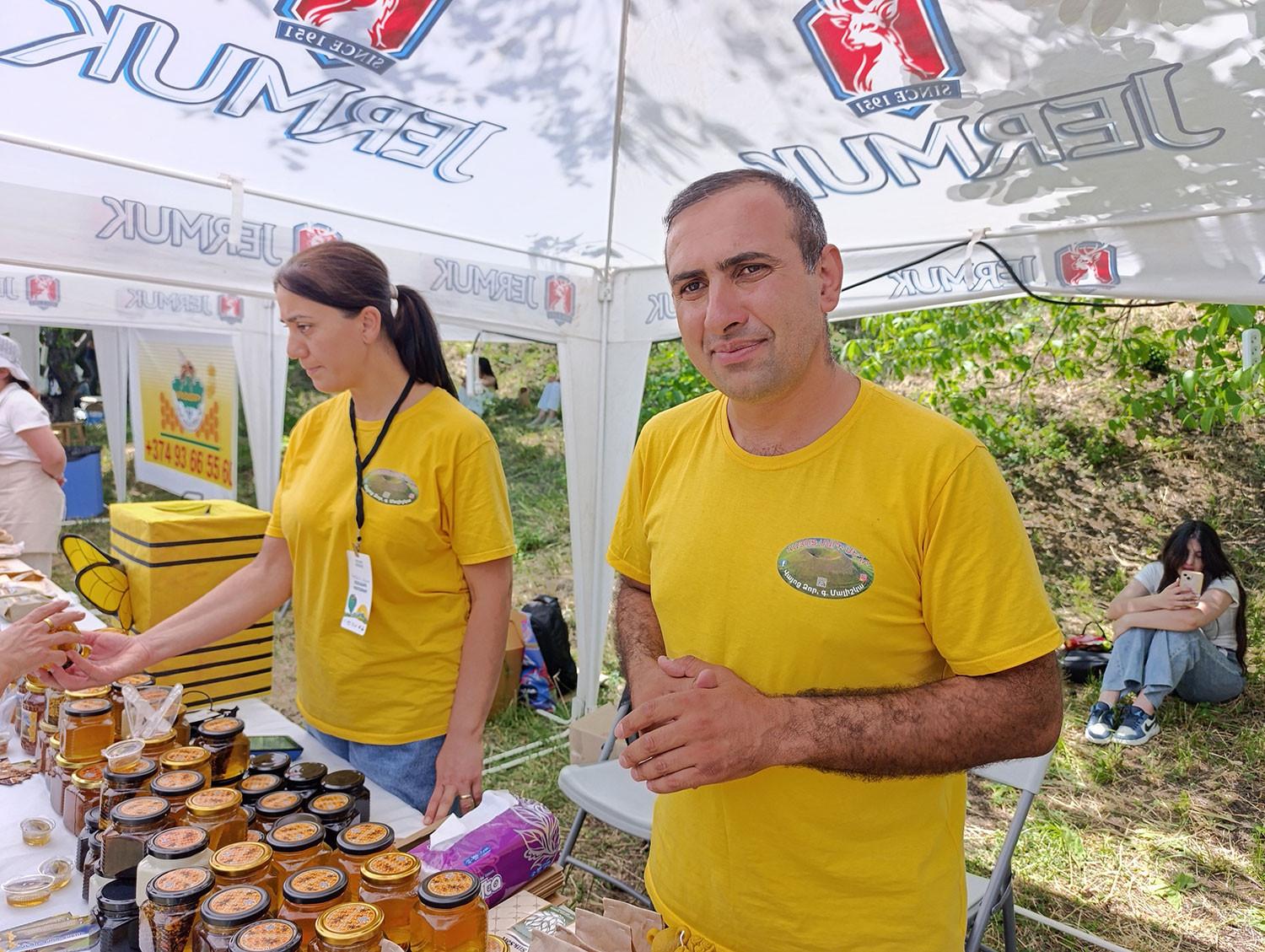
Nazaryan confesses that his initial attempts to produce his white cream honey weren’t all that successful even though he had studied the technology in advance.
He jokes that he “ruined” 60 kg of regular honey to get 200 grams of the white variety.
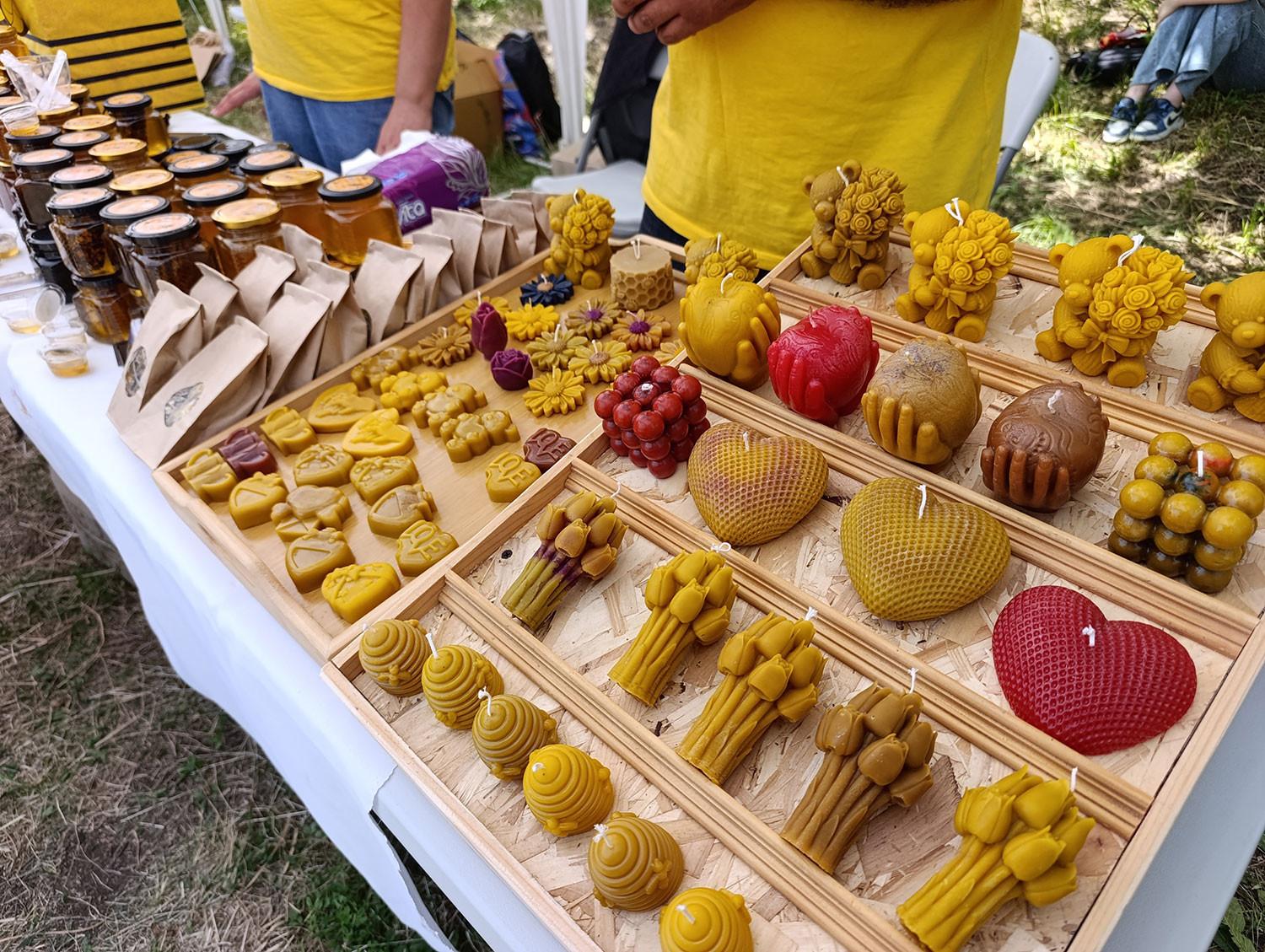
Also catching the eye of festival visitors on Nazaryan’s table are the beeswax honey jars. He shows us a video on his mobile phone as to how bees make honeycomb in a jar placed inside the hive and fill its cells with honey. The beekeeper says that the bees make the honeycomb in the jar for a longer time. Nazaryan also displays candles made from beeswax.
Meri Sargsyan, who represents the Lav E (It’s Good) brand, also hails from Malishka. She offers festival goers honey, tea, doshab, jam, etc. (Doshab is a traditional, thick fruit syrup or molasses made by boiling down the fruit juices of mulberries, grapes, or pomegranates without adding any sugar.) She says that the honey is obtained from the flowers of the Malishka area. She takes a container full of honey, holds it up to the light, and shakes it.
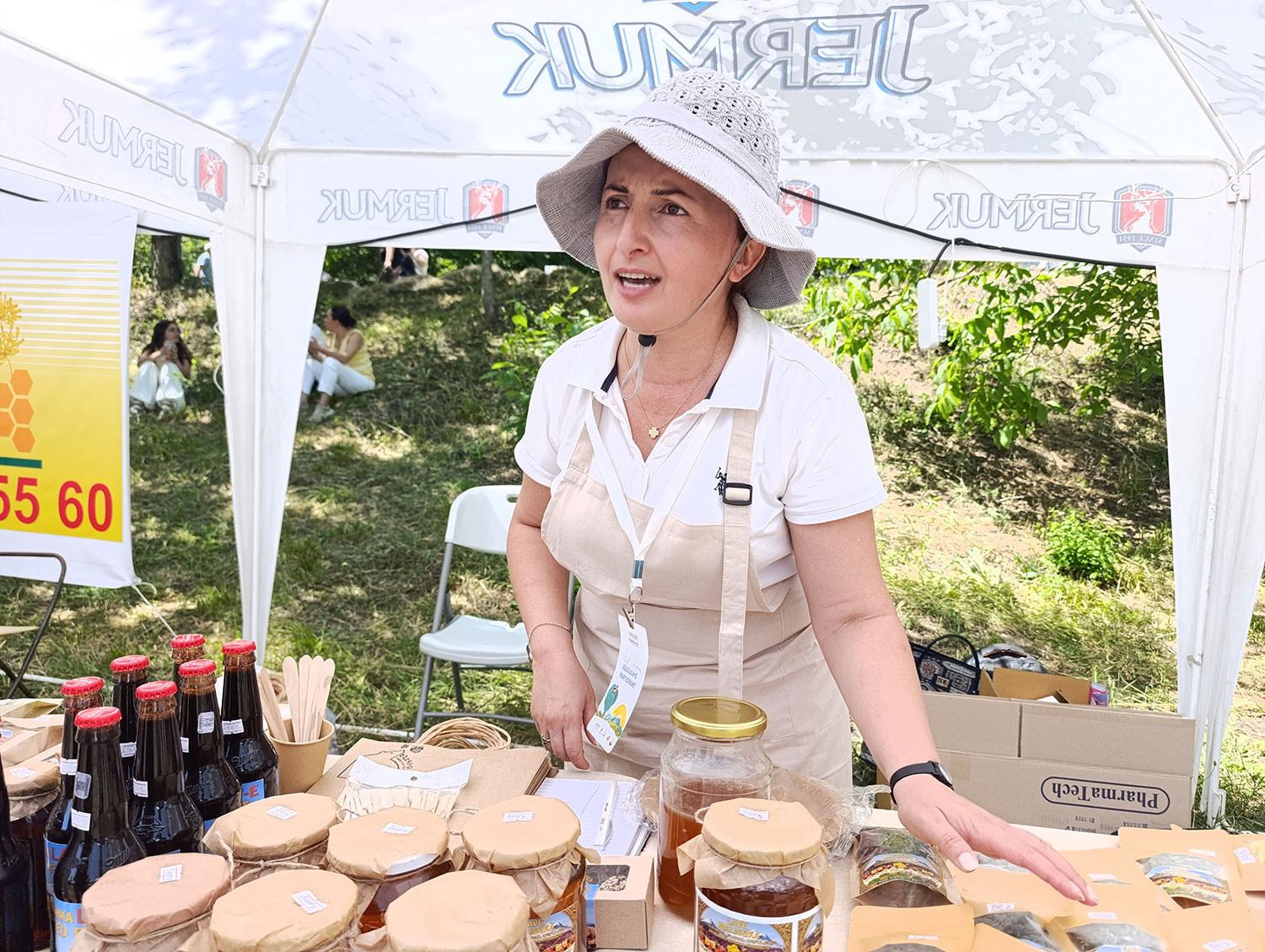
“How do we know that honey is of good quality,” she asks and answers herself, “We shake the honey. If the bubbles rise and dissolve very slowly, the quality is good, because the density is high. The denser the honey, the higher the quality.”
Meri also singles out teas, which are mainly dried in beehives. She notes that this is an ancestral technology that also benefits the bees.
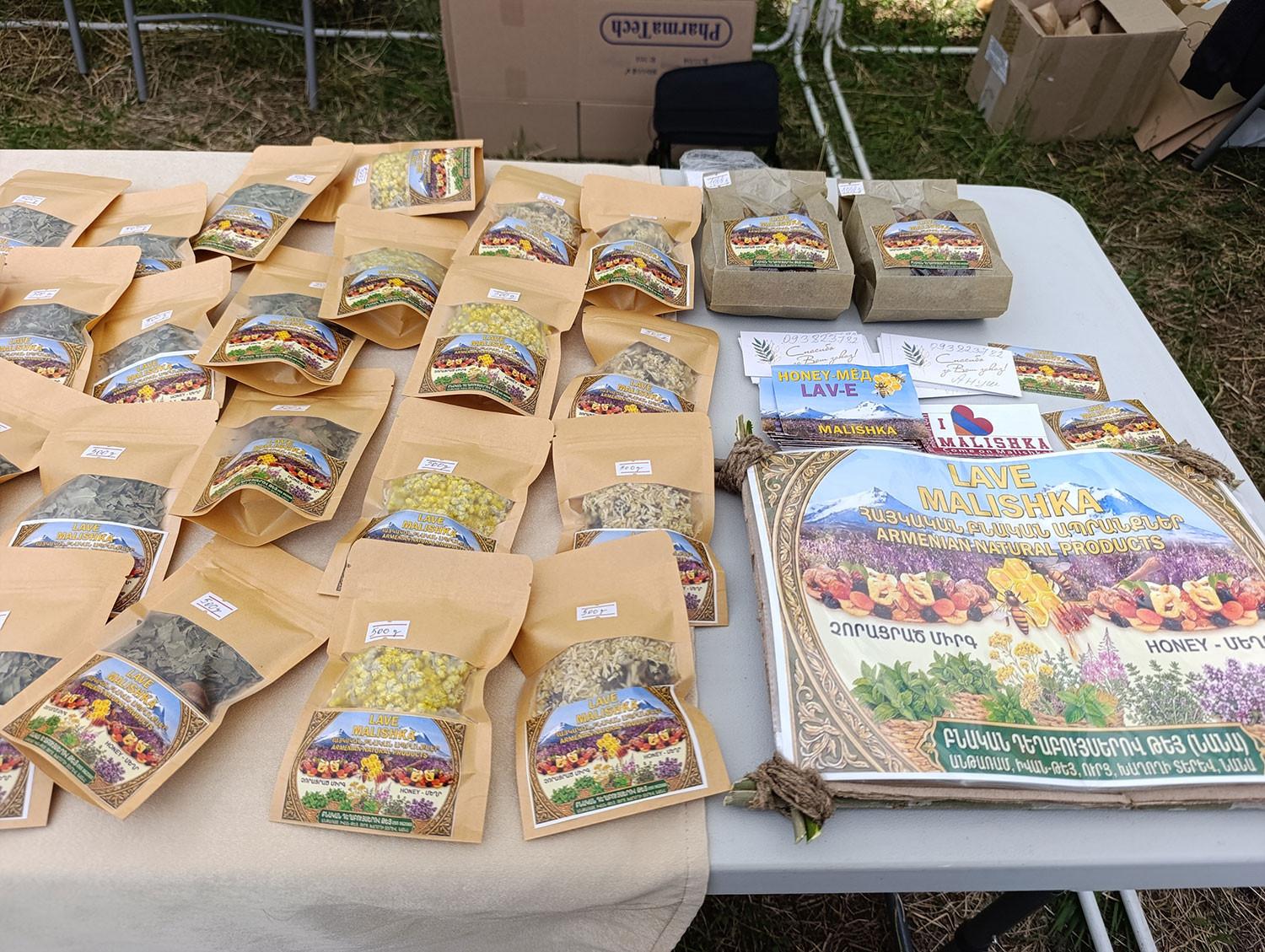
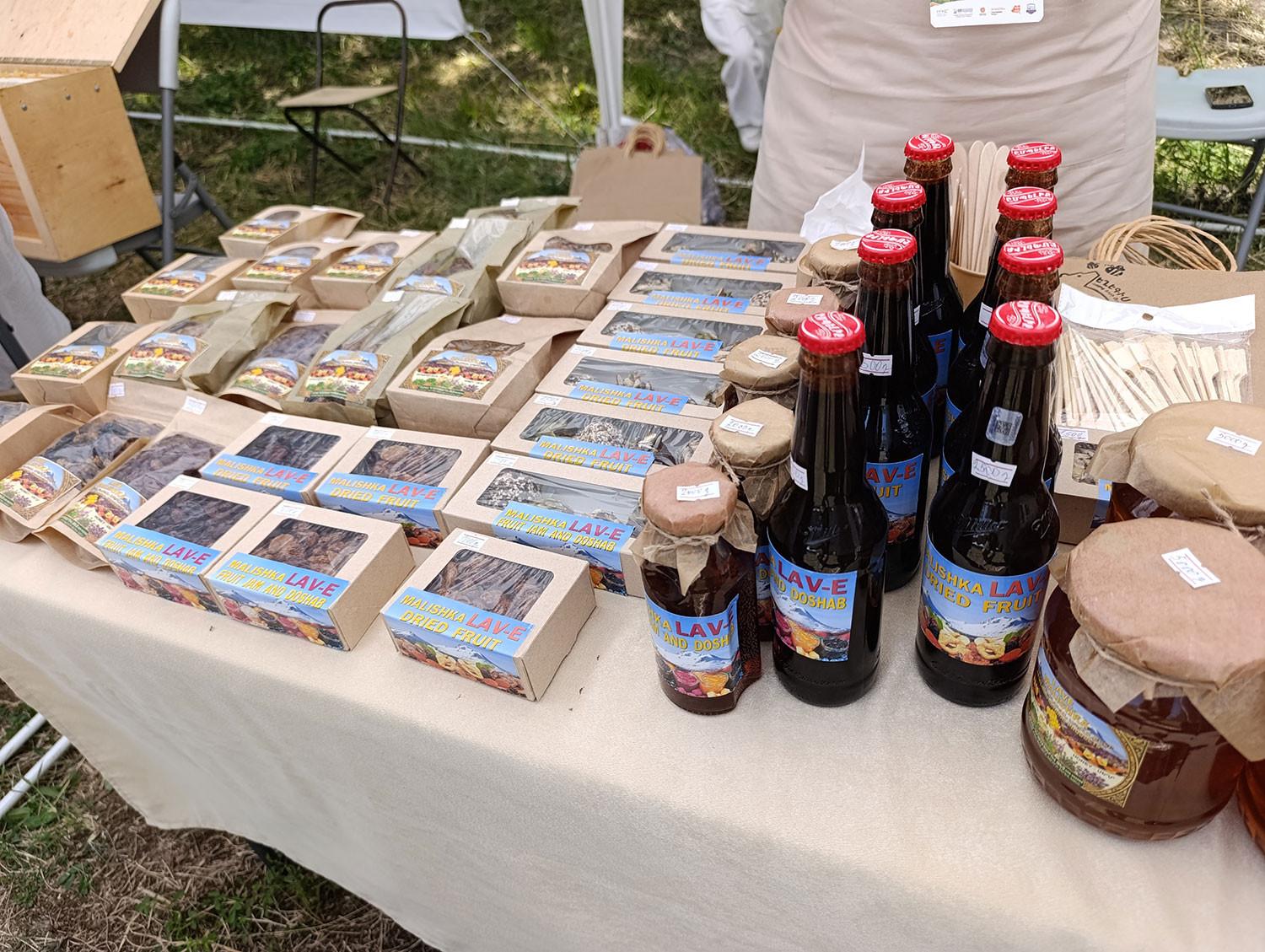
"Since this festival is of environmental significance and the Yeghegis Gorge is considered an ecological corridor for migratory animals like bears, Caucasian leopards, and Bezoar goats, we have placed an emphasis on ecologically clean products and festivals of environmental significance. This is a hobby. We do not derive any special income from this,” says Sargsyan.
When Hetq asked FPWC Director Ruben Khachatryan what inducements are needed for the Yeghegis Fest to continue, he replied that the festival was organized based on an idea, not money. That idea led to finding financial backers. The long-term goal is to make the festival self-sustaining.
UK Ambassador Cole: "I will come with my spoon”
UK Ambassador to Armenia Alexandra Cole, who also participated in the festival, told reporters that she had tasted the honey of Vayots Dzor and found it delicious.
She said the harmony between man and nature has played a vital role for centuries, but due to current climate changes, this inner harmony has been disrupted.
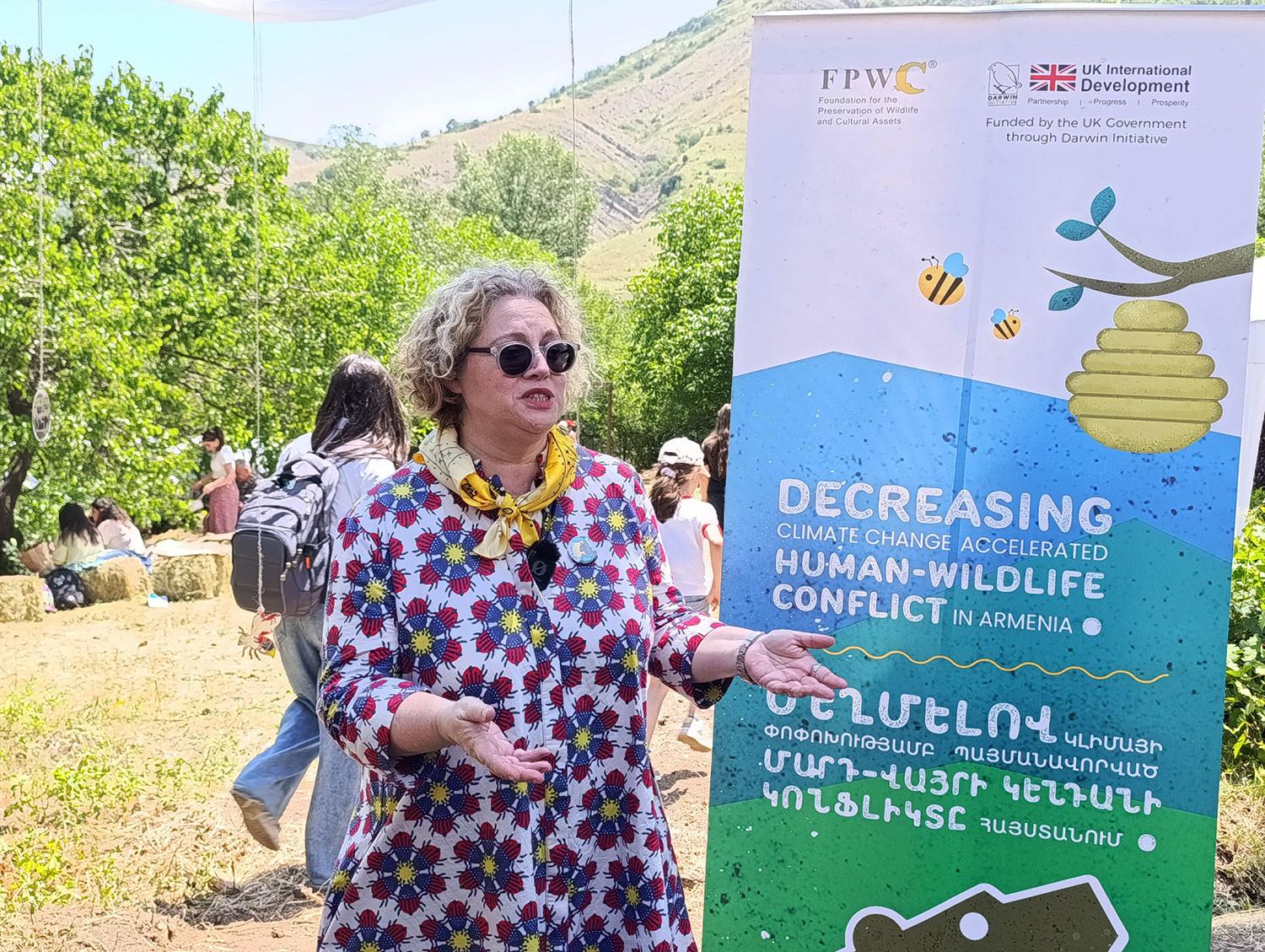
Ambassador Cole told Hetq that the UK's support for the festival will be ongoing.
"If we're talking about ongoing support, I must say that the UK government has worked with the FPWC as part of a fairly broad cooperative effort. In addition, it should be emphasized that the guarantee of continuity will be the desire of the people of the region. Whenever it continues, I will be present, I will come with my spoon."
Comments (1)
Write a comment