 Videos
 Photos


Armenia’s Environment Ministry Fails to Support ‘High-Performance’ Claims with Specifics on $2.2 Million Grant Spending
Armenia’s Environment Ministry does not know, or is concealing, where and how the more than AMD 804 million (currently US$2.213 M) of grant funds allocated for combating land degradation have been spent.
Hetq asked the ministry in writing about the implementation of the three-year program that was conducted as part of Armenia’s commitments under UN conventions. The ministry replied that “no other information is available” about where the work was conducted.
By signing the UN Conventions on Biodiversity and Desertification, Armenia has undertaken a commitment to prevent pasture degradation and improve forest sustainability. To improve the condition of approximately 70% of pastures with varying degrees of degradation and 15% of severely degraded pastures, the government adopted the “Land Degradation Neutralization Program in Armenia” in 2021 (N 725–L).
The Ministry of Environment (ME) is responsible for implementing the program’s planned measures.
The Global Environment Facility supported the ministry’s implementation of the program by approving a grant of more than AMD 804 million. The three-year initiative, “Implementation of Land Degradation Prevention (LDN) Commitments/Responsibilities in Armenia through Sustainable Management and Restoration of Degraded Meadows,” was conducted by the UN Food and Agriculture Organization in partnership with the Ministry of Environment’s “Environmental Program Implementation Office” state institution.
The Global Environment Facility (GEF) is the world's largest multilateral trust fund dedicated to helping developing countries tackle urgent environmental challenges like biodiversity loss, climate change, pollution, and land degradation.
Hetq contacted the ministry to find out which of the actions of the government’s program had been implemented and to what extent. Earlier, Hetq reported that the Ministry of Environment had provided a comprehensive, albeit an abstract response. It had presented statistics for the work conducted but did not indicate where.
In our new inquiry, we asked the ministry to clarify its previous response, specifying where and when the work was conducted and by whom.
Arkady Khachatryan, the ministry's acting secretary general, sent a brief response. “You have been provided with the available information on the activities implemented under the grant program and the results obtained. There is currently no other information available in the Ministry of Environment on the above issues,” he wrote.
In other words, is the ministry saying it does not know when or where it implemented the program’s measures?
Hetq found out from open sources that the program was implemented in the Sisian communitiy of Armenia’s Syunik province and the Tumanyan communities of Lori between December 5, 2022 and February 11, 2025. Within the framework of the event “Improvement of legislation aimed at neutralizing land degradation in Armenia” provided for by the program, the ministry says that drafts of amendments to several laws have been developed. The letter does not say what the purpose of the legislative amendments is or how they will contribute to preventing land degradation.
Regarding the next phase of the government program, the restoration of 4,000 hectares of degraded meadows, the ministry reports that “prerequisites have been created for the restoration of 4,000 hectares of degraded meadows
Again, it is not stated how many hectares of meadows and from which communities, the sites, and what are the prerequisites that should improve the condition of the meadows in the future. The ministry reports that the implemented actions will contribute to the neutralization of the degradation of 3,500–4,000 hectares of degraded natural pastures within 15–20 years.
The ministry claims that 404.3 hectares of arable land have been cultivated, and the condition of 420 hectares of degraded pastures and grasslands has been improved.
Interestingly, a completely different number is presented in a press release published on the website of the UN Food and Agriculture Organization about the same action. “The program supported the improvement of 300 hectares of degraded arable land, where local species such as corn, alfalfa and various cereals were cultivated…”, says the report summarizing the results of the program.
Thus, can we conclude that the Ministry of Environment did not provide accurate information about the work conducted, but instead presented the figures set out in the government program as results? Is that why it has not identified where the work took place, or even the location of the 1.2-hectare “berry demonstration garden” established under the program?
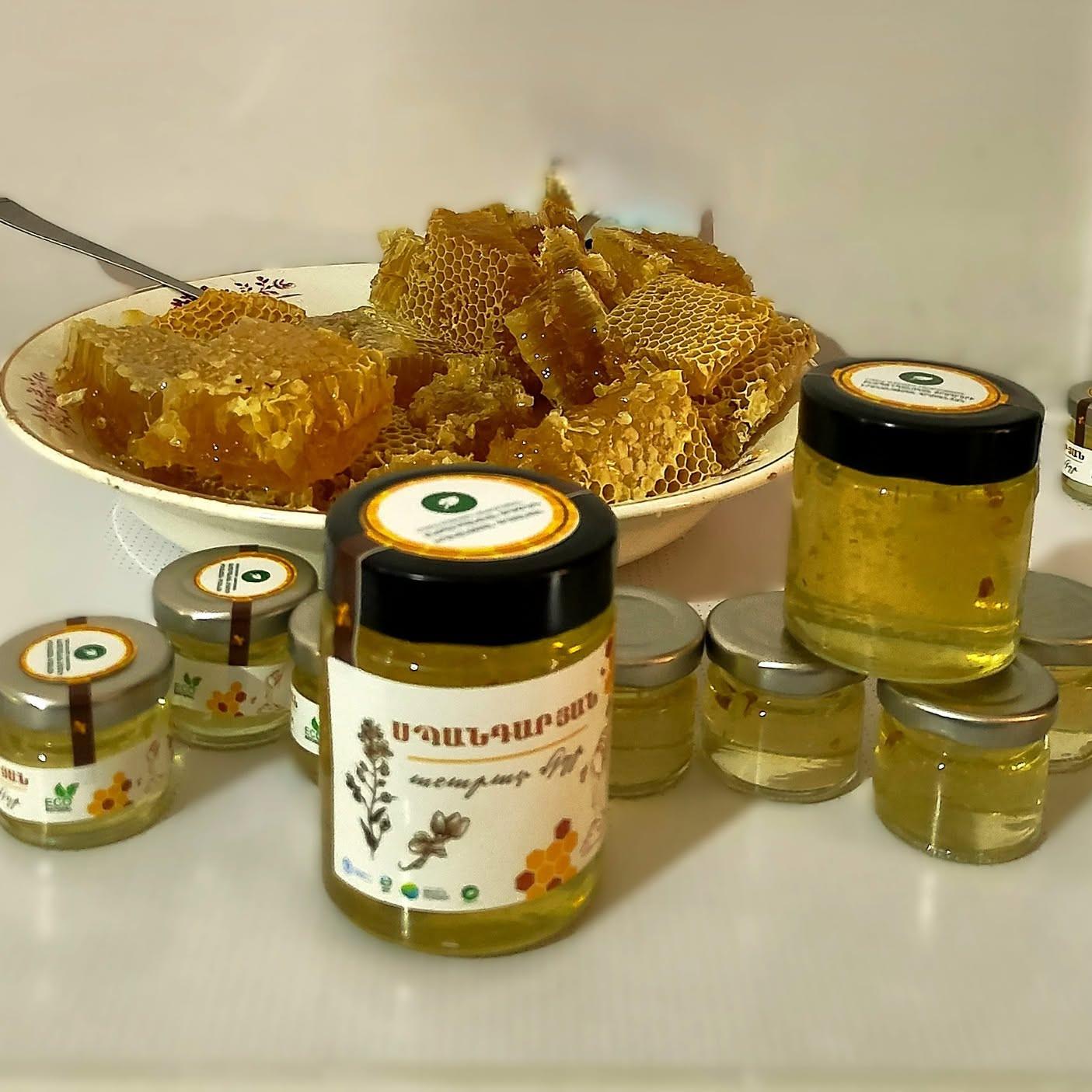
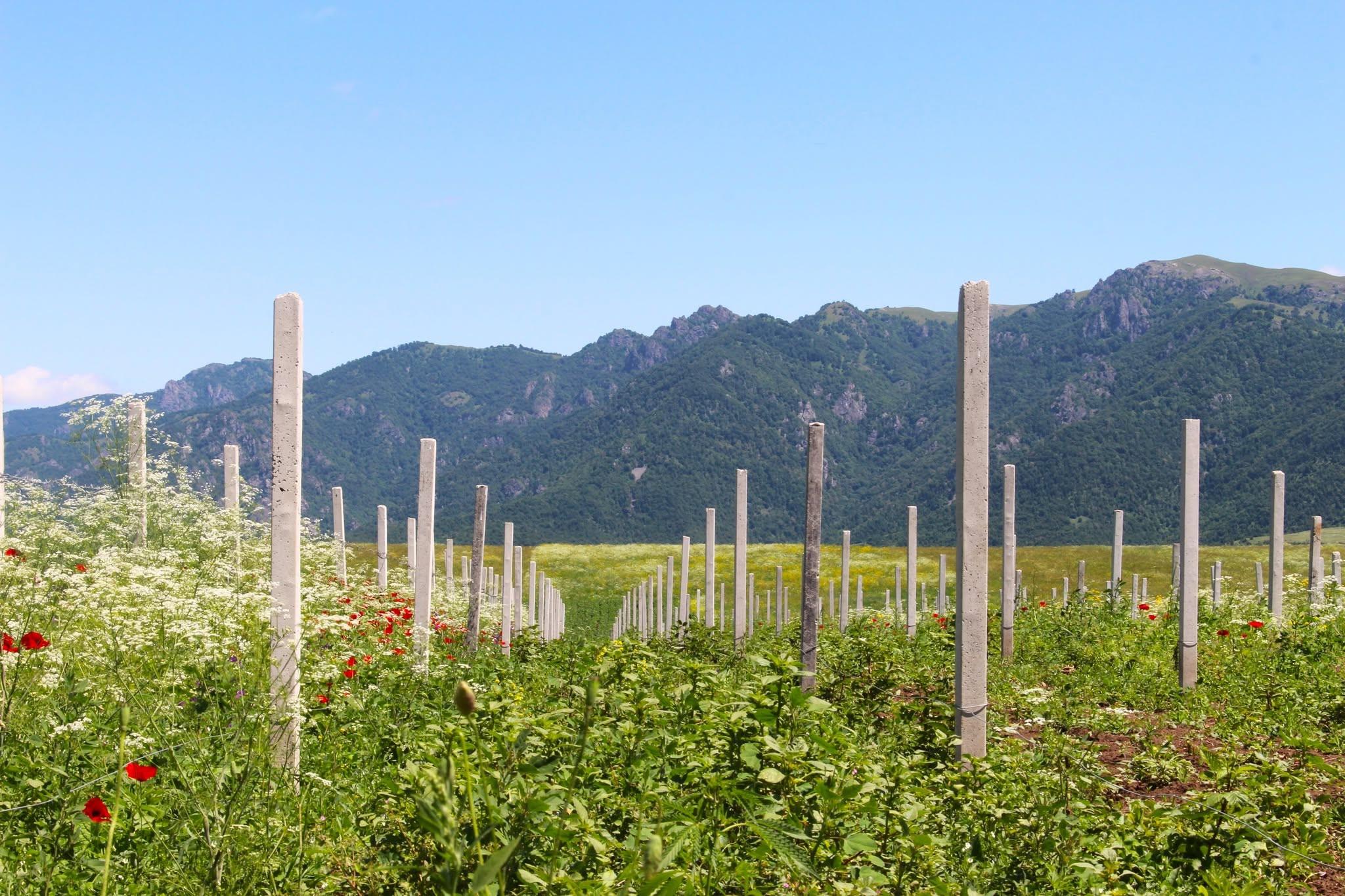
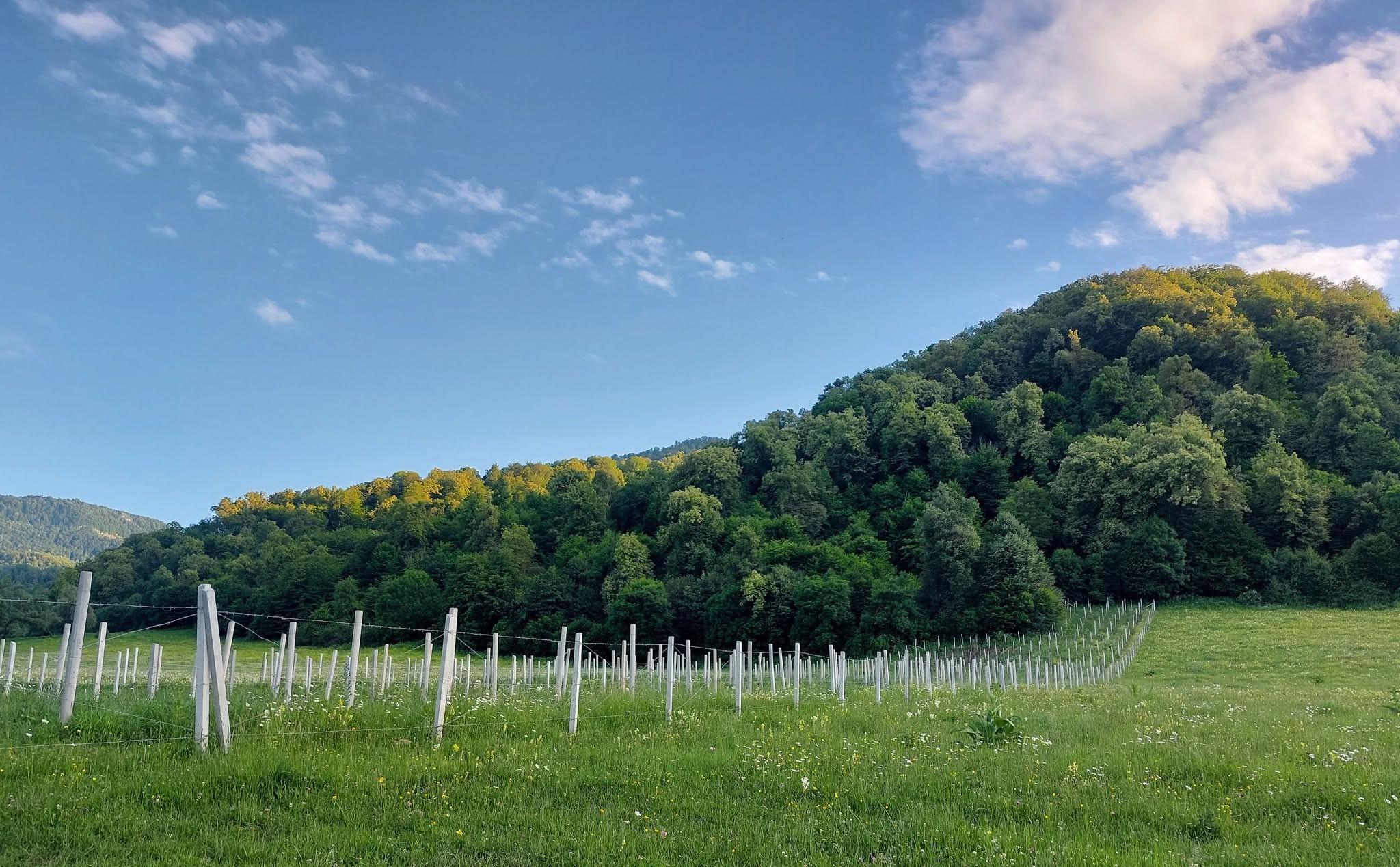
The EPIU’s Facebook page has published almost no current information about the “impressive” results of this program apart from covering the honey extraction ceremony at two villages where residents were given 120 beehives and a few photos taken in the villagers’ vegetable gardens. The photos show planted posts and various shrubs that cannot be identified with the “berry demonstration garden.”
Regarding the government’s “Transferring 50,000 hectares of meadows and 6,000 hectares of cultivated land to sustainable management practices” program, the ministry stated the following.
“As a result of the visits carried out, the developed management plans and the training conducted on the effective cultivation of arable lands, a total of about 50,000 hectares of meadows and 6,000 hectares of cultivated land have been transferred to the field of application of sustainable management practices.”
Again, the ministry did not specify which communities were included in the program. A video posted on the EPIU’s Facebook page claims that drone fertilization was conducted in the Tumanyan and Sisian communities. The drone supplied organic bioliquid to vegetated areas, providing highly efficient foliar nutrition. However, the ministry did not specify where the work was conducted or how much land was covered.
Notably, even the official websites of the Sisian and Tumanyan communities provide no information about the “impressive” results presented by the Ministry of Environment.
A grant program worth AMD 804.561 million is not implemented in communities every day, and if its reported results are real, they should have been a significant development for them. While 50,000 hectares is a small share of Armenia’s 1.05 million hectares of pastures, it would be an impressive result for two communities. If that much land was saved from degradation, why did the communities not treat it as important?
Having completed the program to neutralize land degradation adopted by the government with such dubious indicators, the Ministry of Environment this year moved on to the work of improving the sustainability of forests planned under the same government program.
The UN’s Food and Agriculture Organization (FAO) and Armenia’s EPIU launched the second phase of the project on July 13, 2026.
The new grant program, worth AMD 343.2 million is aimed at improving the sustainability of forests, reducing greenhouse gas emissions in the region, as well as increasing adaptation. The project will again be implemented in the Syunik and Lori provinces. The exact locations are not specified. It will last until September 30, 2027.
Photos: EPIU’s Facebook page
Write a comment