 Videos
 Photos


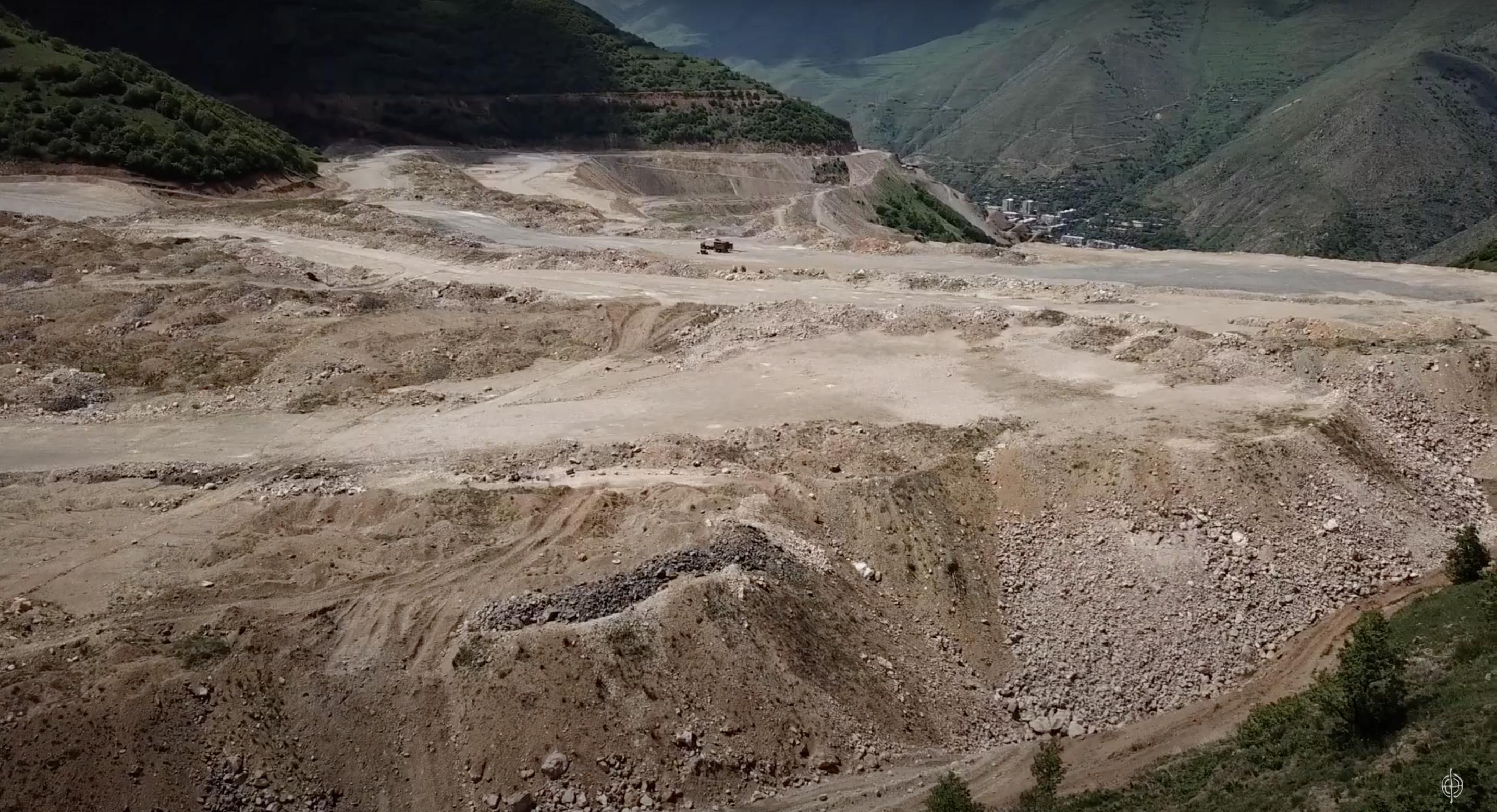
Armenia’s Molybdenum Exports Hit $200M on High Global Demand, But Local Processing Collapses
Driven by a potent mix of surging international prices and increased mining volumes, Armenia’s molybdenum concentrate exports doubled in value to reach US$200 million during the first half of 2026.
Data released by Armenia’s Statistical Committee reveals that the landlocked nation exported 7.8 thousand tons of the raw mineral material from January to June, marking a 67% increase in physical volume compared to the same period last year.
Market analysts attribute the soaring global prices of both copper and molybdenum to tightening supplies. Reduced extraction rates in leading global producer nations, running parallel to expanding industrial demand, have squeezed international markets and pushed commodity valuations upward.
Belgium Dominates Raw Exports as New Markets Emerge
While China remains the premier buyer of Armenian copper, Belgium has solidified its position as the top destination for Armenia's molybdenum concentrate. Belgium alone swallowed 46% of the total export value, importing $92 million worth of the raw material—a staggering 2.4-fold spike compared to the first half of 2025.
This mineral surge single-handedly anchored Armenia's broader trade relationship with the European Union. Total Armenian exports to Belgium reached $114 million (a 2.1-fold increase), heavily contributing to an overall 80.2% jump in exports to the EU, alongside strong raw material flows to Bulgaria.
Beyond Europe, Armenia is diversifying its trading footprint. China secured the second-highest share of molybdenum concentrate exports at 17%, followed closely by Brazil at 13%. Notable growth was recorded in both countries, while entirely new export corridors opened to Uzbekistan (accounting for 6%) and the United States. Other buyers included Austria, the Republic of Korea, the Netherlands, and Russia.
Domestic Processing Industry Plunges into Crisis
However, the multi-million-dollar boom in raw material exports masks a worsening crisis within Armenia's domestic manufacturing sector. While raw concentrate flies out of the country, the production of ferromolybdenum—a high-value iron-molybdenum alloy used to strengthen steel and cast iron—has collapsed.
In the first six months of 2026, domestic ferromolybdenum production plummeted by 50.7%, yielding just 1,484 tons.
|
Armenia Molybdenum Trade (H1 2026 vs H1 2025) |
Export Volume Change |
Export Value Change |
H1 2026 Total Value |
|
Unprocessed Molybdenum Concentrate |
📈 +67% |
📈 +104% |
$200 Million |
|
Processed Ferromolybdenum Alloy |
📉 -23% |
📉 -8% |
$60 Million |
The root of the manufacturing slump lies in supply chain dynamics. Industry insiders note that the Zangezur Copper-Molybdenum Combine, Armenia’s primary mining giant, has heavily favored exporting raw, unprocessed concentrate over supplying local factories. For mining operators, international raw sales ensure a significantly faster financial turnover.
This shift has starved local processors of critical raw feedstocks. The nation's largest alloy manufacturer, the Pure Iron Plant, has subsequently fallen into a deep operational crisis.
The severe drop in production has predictably spilled over into trade. Ferromolybdenum exports dropped 23% in volume down to 1.6 thousand tons. The financial blow of this decline was somewhat cushioned by high global market prices, keeping the total alloy export value at $60 million—a mild 8% dip compared to last year.
Armenia's remaining processed alloy exports continue to be shipped primarily to the Netherlands and Russia.
Write a comment