 Videos
 Photos


Environmental Watchdog Deflects Blame to Yerevan City Hall Over Hrazdan Gorge Construction Violations
YEREVAN — Armenia’s Nature Protection and Subsoil Inspectorate has officially referred the environmental crisis in the Hrazdan Gorge to the Yerevan Municipality, refusing to clarify whether active construction next to the Meridian Expo Center violates environmental laws.
The construction site in question will serve as the venue for the high-profile United Nations COP17 Biological Diversity Summit to be held in Yerevan in late October 2026.
The decision, revealed in a response to investigative outlet Hetq, shifts the burden of law enforcement directly onto city planners while leaving the preservation of Yerevan's vital natural gorge in bureaucratic limbo.
Deflecting to City Hall
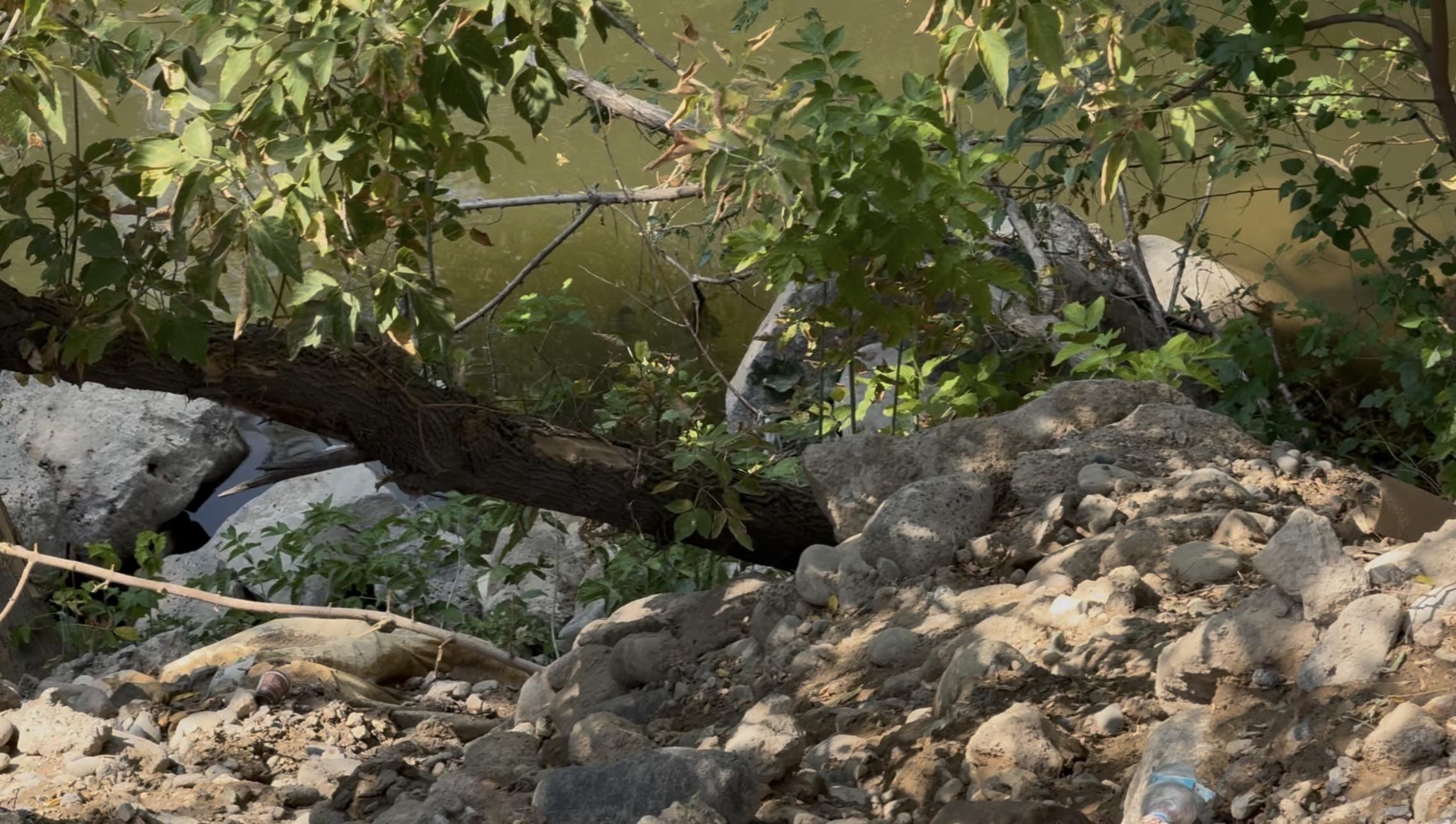
Following a September 11 video report by Hetq showcasing broken, uprooted trees and heavy site-levelling debris sliding down the gorge, the inspectorate initiated a site review. Rather than issuing violations, the state agency sent a formal directive to the Yerevan Municipality, invoking provisions of the Land Code and the Law on Local Self-Government.
These statutes grant the Mayor of Yerevan the authority to:
- Enforce Land Legislation: Oversee compliance by active land users.
- Control Urban Planning: Prevent, halt, and eliminate illegal land use and unauthorized construction within city limits.
This bureaucratic pivot has raised sharp questions from journalists, given that the inspectorate possessed these exact same cross-agency powers during previous complaints but chose not to utilize them.
A History of Dismissed Evidence
This is not the first time the watchdog has overlooked damage at the Meridian Expo Center site. After Hetq reported on July 27 that construction teams were dumping massive amounts of soil directly into the Hrazdan River riparian zone, the inspectorate launched—and promptly dismissed—administrative proceedings.
The agency justified the termination by claiming:
- Growth Unaffected: The damaged trees did not suffer injuries severe enough to fully halt their growth.
- No Riverbed Alteration: The debris was dumped onto the riverbank, not directly into the flowing water.
- No Threat to Ecosystems: No disruption to the water- and soil-protecting properties of the vegetation cover was recorded.
The inspectorate maintained this stance despite Hetq presenting clear photographic and video evidence of soil suffocating the local flora. The watchdog also bypassed stricter safeguards outlined in the Water Code, which mandate the protection of ecosystems linked to open water bodies.
By passing the case to the municipality without a clear verdict on the legality of the operations, the inspectorate has left the public with a critical, unanswered question: Which state agency is ultimately responsible for protecting the Hrazdan Gorge?
Write a comment