 Videos
 Photos


Offshore Secrecy: The Horsemeat Scandal
by Romana Puiuleț, Daniel Bojin, and Paul Radu
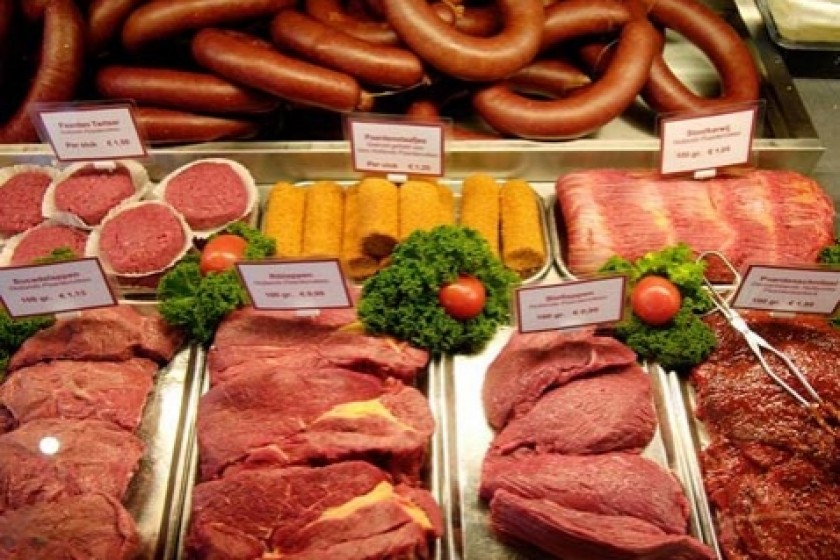
It’s now known as the horsemeat scandal – and it has consumers and policy makers unnerved. How could horsemeat get passed off as beef lasagna and hamburger meat in some of Europe’s largest super market chains? The scandal has raised questions about the safety and transparency of food networks.
Food Sources
"I am selling a horse for the slaughterhouse," reads an advertisement posted on the 28th of January by a user called Remus on a Romanian agriculture and trade website. When called by an OCCRP reporter, Remus, who is from Sahateni, a village about 100 kilometers from the Romanian capital of Bucharest, said he sold the horse for about €22 euros to a local slaughterhouse.
It’s not an uncommon end for horses from impoverished rural areas of the EU country. The meat processors pay very little and the horse meat is exported at €2 to €3 per kilogram to Western European companies. Some of those rural horses like Remus’s have ended up as “beef” in dishes sold in major supermarket chains.
The Organized Crime and Corruption Reporting Project (OCCRP) working with the Guardian untangled the complex scheme behind the ownership of the meat distributors. It involves offshore companies that often obscure their beneficial owners, the sources of their food, and what taxes they pay.
Shifting the Blame
When the scandal first broke, French food companies accused two Romanian meat producers of exporting horsemeat labeled as beef. But the real answer is more complex.
Despite the claims of the French companies, the Romanian government and the slaughterhouses vehemently denied any wrongdoing and stated that the horsemeat sold out of Romania was properly labeled.
"The problem is not here, it is somewhere out there. We didn't send minced meat. We only sent unprocessed meat and we labeled it properly," said Iulian Cazacut, the owner of Doly Com, one of the accused Romanian slaughterhouses in an inteview with OCCRP reporters.
The Romanian prime minister and the minister of agriculture also released public statements denying Romania's involvement in the fraud. Subsequent investigations initiated in various European countries including France, The United Kingdom, Netherlands and Cyprus seem to confirm that the fraud took place after the meat left the borders of the Eastern European country.
The French consumer affairs minister, Benoit Harmon, said in the Guardian that Spanghero, a food company that is part of the large French holding company Pujol, was the first "agent" in the food chain to label the horsemeat as beef. The French investigation suggested the firm "knew that meat destined for ready meals was horse." The same investigation foundthat Spanghero had profited by more than €500,000 over six months by marketing the cheaper horsemeat as beef. Spanghero denied any wrongdoing via a statement posted on its website.
Write a comment