 Videos
 Photos


Children as Family Breadwinners: Abuse or Economic Necessity?
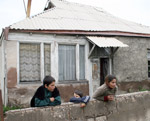 16 years old Vova Zaqaryan, resident of Getap village in Shirak Marz, stopped attending school two years ago. He isn’t even going to participate in the final exams for the eighth grade to get his school graduation certificate at least formally. In his conversation with us, Vova said that he misses the school very much and he would like to continue studying at school just like the other children in his village, but he can’t afford doing that, as he is the only breadwinner of their family.
Vova began to work, when he was even younger. His father left the family and his mother is sick. She frequently has heart attacks. The boy’s 18 year-old sister and 7 year-old younger brother have no resources to live on.
Jesus Christ suffered, why shouldn’t I?
16 years old Vova Zaqaryan, resident of Getap village in Shirak Marz, stopped attending school two years ago. He isn’t even going to participate in the final exams for the eighth grade to get his school graduation certificate at least formally. In his conversation with us, Vova said that he misses the school very much and he would like to continue studying at school just like the other children in his village, but he can’t afford doing that, as he is the only breadwinner of their family.
Vova began to work, when he was even younger. His father left the family and his mother is sick. She frequently has heart attacks. The boy’s 18 year-old sister and 7 year-old younger brother have no resources to live on.
Jesus Christ suffered, why shouldn’t I?
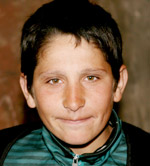 “Do you know how I find a job? I knock on every door, go to the houses of the rich and ask them what kind of work they need to be done. I can dig trenches for water lines, I can carry stones and concrete, I can work in the orchard or sell flowers. Some months ago I bought snowdrop flowers for 200 drams and sold them for 500. There is nothing to be ashamed of. I like to work very much and I am not afraid of suffering or hard work. Whoever works, gets tired. Our Lord Jesus Christ also suffered for us. I wish I could find a job. I don’t want to work in our village, because our villagers tell me to work for free and to do them a favor. They can’t even imagine that if I do them favors all the time our family will die of starvation. That’s why I sometimes take a bus or go on foot to the neighboring towns of Geghadzor, Anoushavan or Arevshat. Sometimes I can find a job in Ashtarak or in Yerevan. I can earn 2000 drams a day. It depends on the complexity of the work. Then I go to our village shop, buy food and go home with a clear conscience,” Vova told us.
Vova relates that his family has many relatives both in the village and in Russia, but he doesn’t want them to assist his family out of a sense of pity. The boy works from 10 in the morning till late at night. But, people do not always keep their word when it comes to paying him.
“I don’t feel bad, if they don’t deceive me. Of course, there had been cases when I’ve worked from seven in the morning till ten in the evening, carrying sacks of wheat from the barn, and when I’ve had to come home on foot in the dark night, in fear of dogs and wolves. They deceived me and paid only 1,000 drams. They deceived me three times in the Arevshat. It is a very terrible village. I only get time off to rest during the rainy season,” Vova says.
Recently, when his sister turned 18, they cut the only income the family had; a 25,000 drams poverty allowance. His sister doesn’t have any job either. She works in the orchards of others.
If the extreme poor are neglected, why call it a poverty allowance?
“So why do they call it poverty allowance, when they don’t see even the extremely poor people,” the sixteen year-old wonders. They don’t have any cattle. The family only has a big lot by their house, where, according to the boy, they can’t even sow potatoes.
“Do you know how I find a job? I knock on every door, go to the houses of the rich and ask them what kind of work they need to be done. I can dig trenches for water lines, I can carry stones and concrete, I can work in the orchard or sell flowers. Some months ago I bought snowdrop flowers for 200 drams and sold them for 500. There is nothing to be ashamed of. I like to work very much and I am not afraid of suffering or hard work. Whoever works, gets tired. Our Lord Jesus Christ also suffered for us. I wish I could find a job. I don’t want to work in our village, because our villagers tell me to work for free and to do them a favor. They can’t even imagine that if I do them favors all the time our family will die of starvation. That’s why I sometimes take a bus or go on foot to the neighboring towns of Geghadzor, Anoushavan or Arevshat. Sometimes I can find a job in Ashtarak or in Yerevan. I can earn 2000 drams a day. It depends on the complexity of the work. Then I go to our village shop, buy food and go home with a clear conscience,” Vova told us.
Vova relates that his family has many relatives both in the village and in Russia, but he doesn’t want them to assist his family out of a sense of pity. The boy works from 10 in the morning till late at night. But, people do not always keep their word when it comes to paying him.
“I don’t feel bad, if they don’t deceive me. Of course, there had been cases when I’ve worked from seven in the morning till ten in the evening, carrying sacks of wheat from the barn, and when I’ve had to come home on foot in the dark night, in fear of dogs and wolves. They deceived me and paid only 1,000 drams. They deceived me three times in the Arevshat. It is a very terrible village. I only get time off to rest during the rainy season,” Vova says.
Recently, when his sister turned 18, they cut the only income the family had; a 25,000 drams poverty allowance. His sister doesn’t have any job either. She works in the orchards of others.
If the extreme poor are neglected, why call it a poverty allowance?
“So why do they call it poverty allowance, when they don’t see even the extremely poor people,” the sixteen year-old wonders. They don’t have any cattle. The family only has a big lot by their house, where, according to the boy, they can’t even sow potatoes.
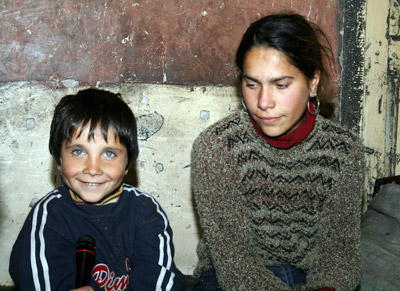 The walls of Vova’s house are all black with smoke and there is no bedding on the old-fashioned iron beds. Their mother, Nuneh Barseghyan, has never worked since she got married and moved from Kirovakan to Getap. She said that her husband served in the army from 1993 to 2006 and rarely supported the family. The children do not like to speak about their father. Vova said that the only person who helps him is his sister, who works in the orchards of others picking potatoes. “Till the day I die, I will not let my mother work. She has a very weak heart. The only problem I am concerned about is who is going to keep our family afloat if they take me to the army. The situation is very complicated,” Vova said.
Vova said that their school headmaster even asked him to go to school and take exams to get his graduation certificate, but that he has too many concerns to attend. He doesn’t want to read, “Because education can’t secure your future in our age.” “I speak a little bit of Russian, but that is enough for me. But I will always follow the news,” Vova said. He added that whenever he earns money he rushes to the church to light a candle or to be present at the mass.
Vova said that they cut the electricity twice but that, for the life of him, he hasn’t been able to find any work of late to at least pay for the utilities. “The situation was a little better when I was younger. For the third year in a row our life has gotten worse. If you can, please, find me a job,” the young resident of Getap requested of us.
When you ask Hrachik, the youngest of the family in the first grade, what he is going to become when he grows up, he immediately answers, “I am going to find seasonal work abroad.”
Shirak has its share of children workers
There are many under-age workers in Shirak. One can meet working children at every turn in the Gyumri central market. Moreover, not only are there15 to16 year-olds working there, but also children of 10 to 11. We failed to talk to them since they were too busy selling vegetables, fruits and fish. We noticed the produce owners standing behind the kids, never letting them say a word. Most of them concealed their age, creating the impression that we were police who had gone there to deprive them of their jobs. In the course of a week we went to the market at different hours and made sure that the children working there weren’t in fact attending school. Each of them has their own permanent work place at the market. Only one of them confessed that he is thirteen and that he enjoys selling cucumbers.
Some of the under-age residents of Gyumri have found work in the church yard. They are beggars, though they are reluctant to gather in the church courtyard for the past month. According to one of the dove sellers, Archbishop Mikayel Ajapahyan, primate of the Shirak Diocese, strictly monitors the little beggars, forbidding them appear in his proximity. Our conversation partner, who refused to give his name, said that the children beggars had become so impudent that they nearly could tear away the pockets of the passers-by. Thus, the head of the Diocese invited the officials of relevant police department who deal with the issue of the under-aged and he put an end to that unpleasant scene. “But if you want to meet with the little beggars, you may come here during the weddings on the weekends. There are families who literally send their children to work on those days to extract something from the participants of the wedding parties. They are not allowed to stand under the church walls on the other days of the week. But you should take into account the fact that it is May and the church doesn’t allow any weddings. That’s mainly why the children disappeared from the church yard,” our friend told us.
According to Lousineh Ginosyan, Head of Shirak Regional Authority’s Department of Children’s Rights, no cases of children’s rights violations or their being left out of the school have been registered in the region in the course of the last month.
“If there had been children working in the Gyumri minibuses (they opened the doors for the passengers) during the past years, there are no children working there anymore. We haven’t received any complaints lately. The kids work in the market under the supervision of their parents. If the parents give their consent, no law is being broken. The children work to support their families. If their education or health isn’t being harmed we do not interfere. On the contrary, we may cause them harm by interfering in their affairs. There are no obvious cases of exploitation of children registered in Shirak region,” claimed Lousineh Ginosyan in her interview with “Hetq”.
Ani Ghukasyan
The walls of Vova’s house are all black with smoke and there is no bedding on the old-fashioned iron beds. Their mother, Nuneh Barseghyan, has never worked since she got married and moved from Kirovakan to Getap. She said that her husband served in the army from 1993 to 2006 and rarely supported the family. The children do not like to speak about their father. Vova said that the only person who helps him is his sister, who works in the orchards of others picking potatoes. “Till the day I die, I will not let my mother work. She has a very weak heart. The only problem I am concerned about is who is going to keep our family afloat if they take me to the army. The situation is very complicated,” Vova said.
Vova said that their school headmaster even asked him to go to school and take exams to get his graduation certificate, but that he has too many concerns to attend. He doesn’t want to read, “Because education can’t secure your future in our age.” “I speak a little bit of Russian, but that is enough for me. But I will always follow the news,” Vova said. He added that whenever he earns money he rushes to the church to light a candle or to be present at the mass.
Vova said that they cut the electricity twice but that, for the life of him, he hasn’t been able to find any work of late to at least pay for the utilities. “The situation was a little better when I was younger. For the third year in a row our life has gotten worse. If you can, please, find me a job,” the young resident of Getap requested of us.
When you ask Hrachik, the youngest of the family in the first grade, what he is going to become when he grows up, he immediately answers, “I am going to find seasonal work abroad.”
Shirak has its share of children workers
There are many under-age workers in Shirak. One can meet working children at every turn in the Gyumri central market. Moreover, not only are there15 to16 year-olds working there, but also children of 10 to 11. We failed to talk to them since they were too busy selling vegetables, fruits and fish. We noticed the produce owners standing behind the kids, never letting them say a word. Most of them concealed their age, creating the impression that we were police who had gone there to deprive them of their jobs. In the course of a week we went to the market at different hours and made sure that the children working there weren’t in fact attending school. Each of them has their own permanent work place at the market. Only one of them confessed that he is thirteen and that he enjoys selling cucumbers.
Some of the under-age residents of Gyumri have found work in the church yard. They are beggars, though they are reluctant to gather in the church courtyard for the past month. According to one of the dove sellers, Archbishop Mikayel Ajapahyan, primate of the Shirak Diocese, strictly monitors the little beggars, forbidding them appear in his proximity. Our conversation partner, who refused to give his name, said that the children beggars had become so impudent that they nearly could tear away the pockets of the passers-by. Thus, the head of the Diocese invited the officials of relevant police department who deal with the issue of the under-aged and he put an end to that unpleasant scene. “But if you want to meet with the little beggars, you may come here during the weddings on the weekends. There are families who literally send their children to work on those days to extract something from the participants of the wedding parties. They are not allowed to stand under the church walls on the other days of the week. But you should take into account the fact that it is May and the church doesn’t allow any weddings. That’s mainly why the children disappeared from the church yard,” our friend told us.
According to Lousineh Ginosyan, Head of Shirak Regional Authority’s Department of Children’s Rights, no cases of children’s rights violations or their being left out of the school have been registered in the region in the course of the last month.
“If there had been children working in the Gyumri minibuses (they opened the doors for the passengers) during the past years, there are no children working there anymore. We haven’t received any complaints lately. The kids work in the market under the supervision of their parents. If the parents give their consent, no law is being broken. The children work to support their families. If their education or health isn’t being harmed we do not interfere. On the contrary, we may cause them harm by interfering in their affairs. There are no obvious cases of exploitation of children registered in Shirak region,” claimed Lousineh Ginosyan in her interview with “Hetq”.
Ani Ghukasyan
If you found a typo you can notify us by selecting the text area and pressing CTRL+Enter
Write a comment