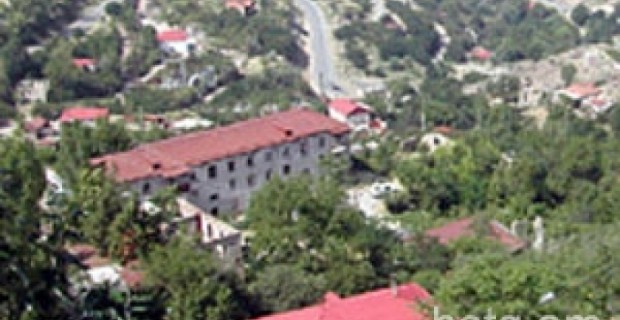
Tsaghkaberd, the largest village in the Kashatagh region of Nagorno Karabakh, has about 1,000 hectares of arable land. 600 hectares is allocated to the villagers for cultivation, but only few of them are able to make use of their land.
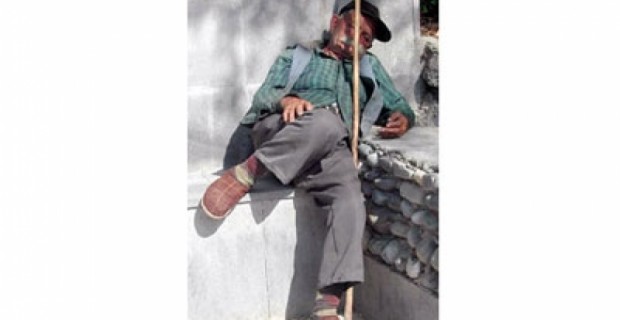
In Berdzor, the regional center of Kashatagh, life has become sort of sleepy. People have grown lazy – it can be felt even in the way they walk and talk. It is not like it used to be, that's for sure. In the villages located some tens of kilometers from Berdzor, they have given in to disappointment.
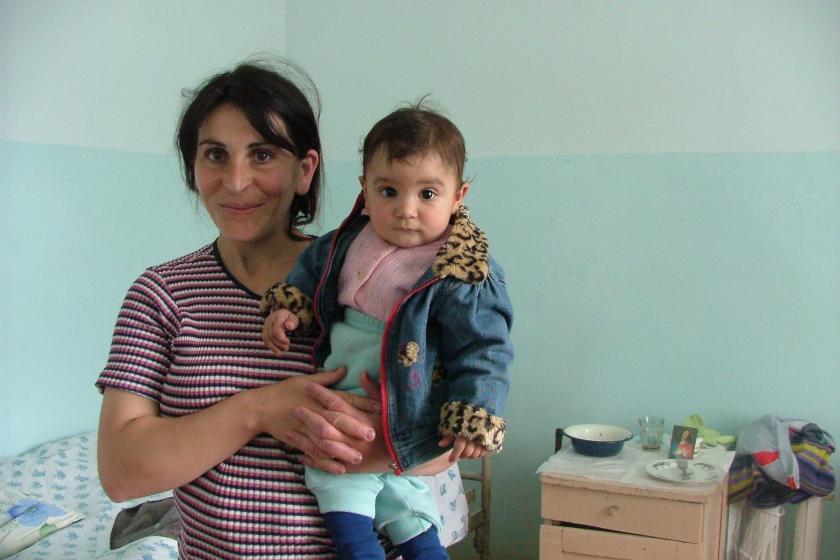
A child was born at the hospital in Berdzor on June 18. When we returned to Berdzor on June 22, after touring the villages of the Kashatagh region, there was another birth in progress. “We have an average of two births a week,” said the nurse on duty.

The village of Maratuk with its three households is located near the road leading from Berdzor to the south. A well-groomed garden running along the path from the roadside toward the village is a welcome sight after the drought-dried greenery along the main road.

“You can never come back from the war. You can come back physically, but not spiritually, “ says Kharabakh war veteran Doctor Artsakh Bunyatyan. He seems to have found one to escape this condition: he drinks vodka (or sun liquid, as he calls it) and offers it to his visitors.

“Hambaryan Pargev Washingtonovich,” was the answer we received from the father of many children from the village of Haykazyan to our question, “What is your name?” The villagers simply call Pargev Washingtonovich Hambaryan Pasha.
 Videos
 Photos


