
The problem with genocide is you cannot kill them all; there are always survivors.
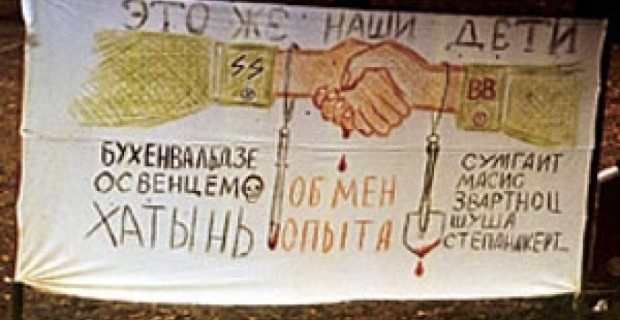
“The memories of the Armenian Genocide still remain the most important part of the Armenian national identity. It was the memory of the genocide at the beginning of the 20 th century that united the Armenian nation at the end of the 20 th century and resulted in the success of the Artsakh liberation movement, “ said ethnologist and Doctor of Historic Sciences Harutyun Marutyan.

NGOs that deal with the issues that face the disabled population often complain that the disabled are only remembered on December 3, the International Day of Disabled Persons, and during elections. But even that is only formal in nature and does nothing to change the lives of disabled people.

Ten residents of Yerevan's Byuzand Street whose houses were pulled down for “state needs” and who refused to sell their property to the government and give up their registration are now deprived of the right to vote.

Nazeli Vardanyan, a member of the Chamber of Advocates of Armenia, represented the interests of army officer Gurgen Margaryan's legal heir during the famous much-followed trial in Budapest.

Interview with Sergey Vardanyan, philologist, deputy-chairman of the NGO Hamshen Compatriotic-Charity, editor-in-chief of the monthly Hamshen Voice
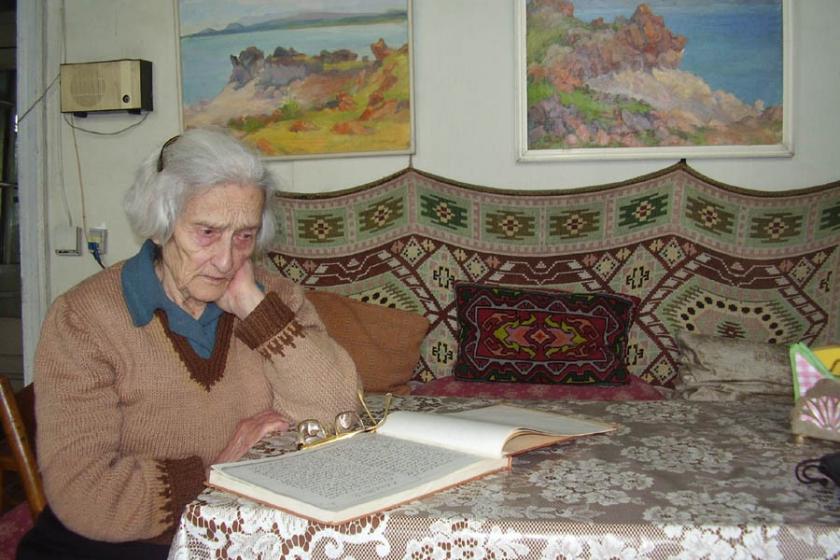
Painter Heghine Abrahamyan is a Genocide survivor.

When the qualifying groups for Euro 2008 were drawn in Montreux, Switzerland in January 2006, many people asked themselves whether the matches between the national football teams of Armenia and Azerbaijan in Group A would take place.
 Videos
 Photos


