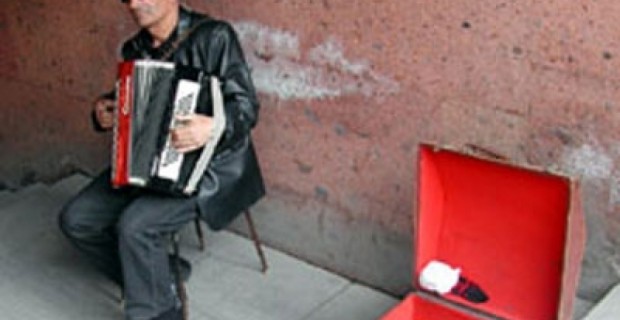
"I'm not a beggar, to be treated badly. Nobody looks at me like that; I wouldn't even want to think that someone might take my work the wrong way. I'll give you an example: two plants are growing in the same conditions.

On February 4, 2005 at 8:30 p.m. there was an exchange of gunfire in the TETS-i Krug neighborhood on the outskirts of Yerevan . The shootout lasted fifteen minutes; one man, Mher Ter-Harutiunyan, was killed, and dozens were injured.
"Your interviews and photographs irritate my children. They complain that they often see me on television. The last time that we were on television, my son came and warned me that if something like that were to happen again, they would no longer come visit. I couldn't bear that. You have to understand - it's our homesickness that keep us going."
"It was an ordinary day. We were working as usual, treating our patients, when suddenly we were told that the war was over - the Germans had surrendered."
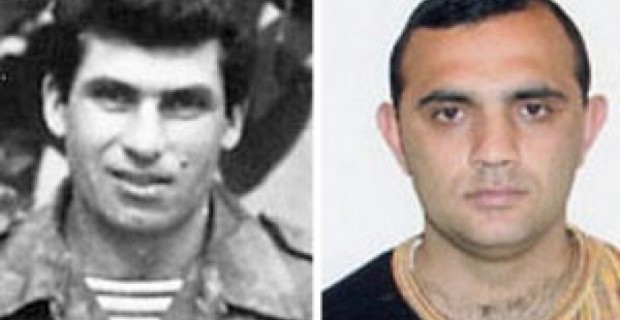
"Ever since I was a boy, when I studied Armenian history, I dreamed about going to war. If you don't have that dream, then you're as sick as the current government," said Hovsep Aghabekyan, whose friends call him Mr. Hovsep.

In a study he conducted in Vanadzor in 1987, early in his medical career, Dr. Karen Adamyan discovered that pharyngitis, the inflammation of pharyngeal mucous membrane, was being caused by the ammonia emitted by a local chemical plant.
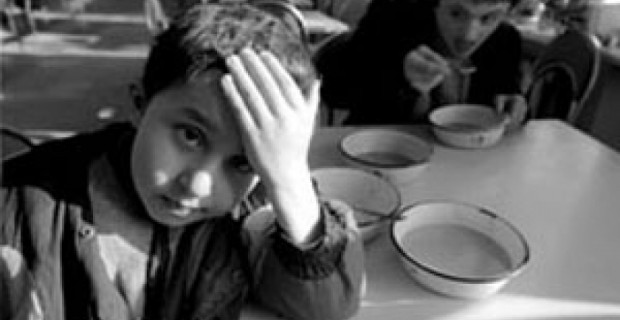
YEREVAN , Armenia -- According to Its Director, the majority of children enrolled into the boarding school situated somewhere in the Armenian capital stay on full-board. Yet, after its annual New Year Party, only two remained while the others returned home for the holidays.
 Videos
 Photos


