
The anti-regime protests of the past 18 months in Armenia were accompanied by excessive use of police force, widespread crackdown on civil and opposition leaders, and declining standards of legal due process, with discretionary use of pre-trial detention.
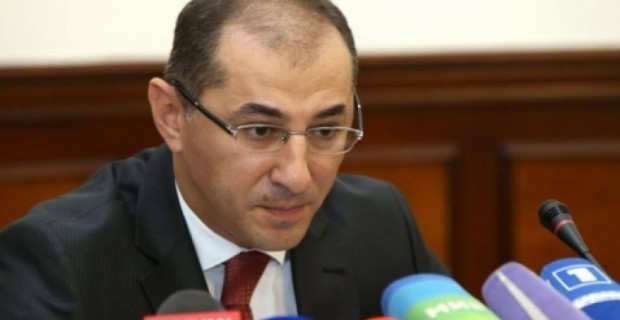
Arguing that Armenian Prime Minister Karen Karapetyan’s description of Armenia’s economic situation as “complex” shouldn’t lead to negative expectations, Aramyan noted that many developing economies were in the same boat as Armenia.
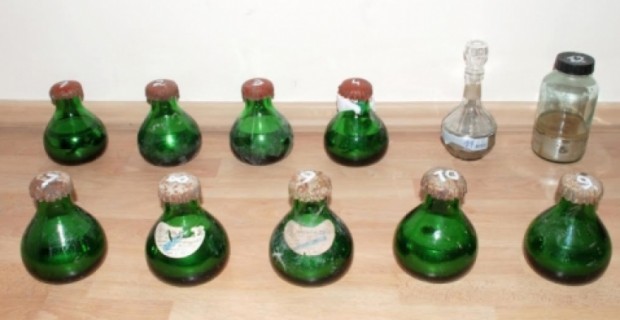
Armenia’s National Security Service (NSS) says it arrested six individuals who were planning to sell 57 kilograms of mercury for US$160,000.
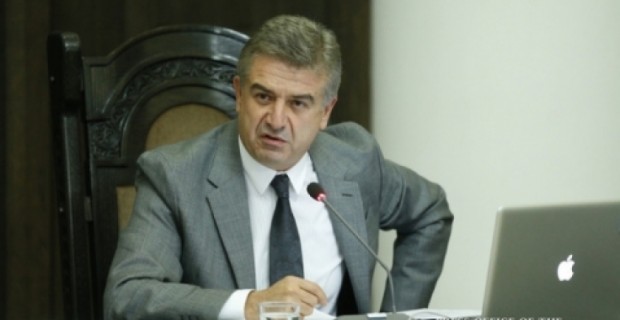
He’s declared cash savings of 120 million AMD (US$253,000), $3.7 million, 850,000 Euros and 55 million Rubles ($880,000).

A number of high-ranking Ukrainian officials used a complex web of offshore companies and bank accounts to conduct property deals in multiple countries, according to a cache of leaked documents obtained by OCCRP.
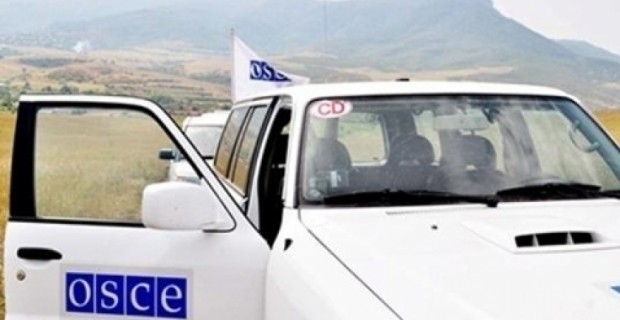
On October 5, in accordance with the arrangement reached with the authorities of the Nagorno Karabakh Republic, the OSCE Mission will conduct a planned monitoring of the Line of Contact between the armed forces of Nagorno Karabakh and Azerbaijan to the south of Gulistan settlement of the Shahumyan region.
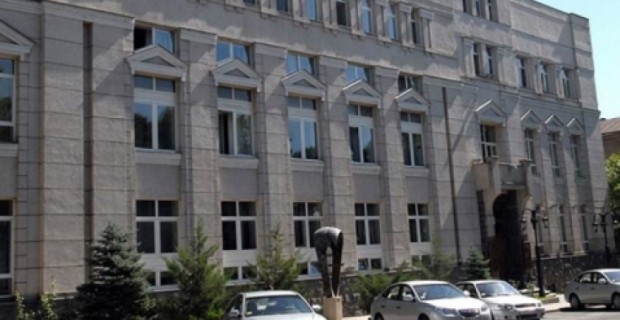
1.620 billion AMD (US$3.4 million) is to be allocated to alleviate sink holes at the guest house and residential building at the Bank’s education/research center in Dilijan.

Given its string of defeats in the October 2 local elections in Armenia, the board of the opposition Civil Contract party has declared that it will resign and hold elections for a new board.
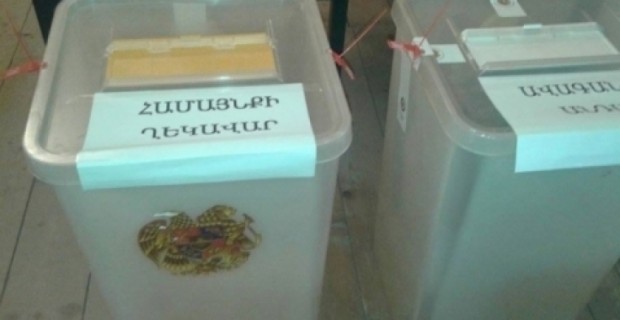
Arguing that it losses in the October 2 local elections in Gyumri and Vanadzor (the second and third largest towns in Armenia) were due to “clan politics” and its own shortcomings, the opposition Armenian National Congress (HAK) announced today that it would regroup, examine the elections, and draft a new electoral strategy.
 Videos
 Photos


